Author: Wellfitsource Product & Sourcing Team · Published: November 2026 · Updated: November 2026
Most trend reports tell you how big the market is. Useful for an investor deck; not much help when you’re deciding which mats, rollers and bands go on a purchase order for spring. This page reads the 2027 trends the other way round. For each one we ask three things: which product categories it touches, what it changes in the spec, and what it changes about when and how you order.
The short version: in 2027 demand keeps moving towards Pilates and core work, towards products built for older users, and towards recovery as a daily habit. Meanwhile new EU rules on green claims and packaging, and a reshuffled US tariff regime, change what you can print on a box and what a container actually costs to land.
Quick Summary
- Pilates, yoga and barre are pulling the category. “Balance, flow and core strength” rose to No. 3 in ACSM’s 2027 survey, and Pilates was ClassPass’s most-booked workout for the third year running in 2025.
- Older adults are a buying segment, not a footnote. Fitness programs for older adults sit at No. 4 for 2027, their fifth straight year in ACSM’s top five. That means firmer, more stable and easier-to-read products.
- Recovery is becoming routine. Hot and cold therapies hit their highest ACSM ranking yet, and wearables now track recovery as well as activity. Foam rollers, massage balls and recovery kits benefit.
- “Eco-friendly” on its own is no longer a claim you can print for EU shoppers. The EU’s Empowering Consumers Directive has applied since 27 September 2026, and the Packaging Regulation started phasing in on 12 August 2026.
- US duty assumptions from early 2026 are out of date. The IEEPA tariffs were struck down in February, a temporary surcharge expired in July, and new Section 301 duties now apply. Re-check landed cost before you lock 2027 retail prices.
The 2027 Trend Map
| Trend | Evidence | Categories affected | What changes in the spec | What changes in ordering | Most affected buyers |
|---|---|---|---|---|---|
| Pilates and core work keep growing | ACSM 2027: No. 3 (up from No. 5); ClassPass 2025: Pilates reservations +66% | Pilates mats, yoga mats, grip socks, small props | Denser, cushioned mats; non-slip textiles; colour-matched sets | More SKUs per order, smaller quantity per SKU | Activewear brands, D2C brands, distributors |
| Products for older adults | ACSM 2027: No. 4, five years in the top five | Balance pads, thicker mats, light rollers, bands | Stability over softness; clear labels and large-print guides | Steady replenishment rather than launch spikes | Distributors, rehab and practitioner brands |
| Strength training stays core | ACSM 2027: traditional strength training No. 5, weight management No. 6 | Resistance bands, mini loops, ankle weights | Clear resistance grading; durable fabric bands | Core SKUs reorder; colour codes must not drift | Brand owners, retailers |
| Recovery as a daily habit | ACSM 2027: hot and cold therapies No. 11, highest yet | Foam rollers, massage balls, recovery kits | Firmness options; travel sizes; kit packaging | Bundles and kits; gift-season peaks | Brand owners, retailers |
| Group classes are back | ACSM 2027: group fitness No. 7 (up from No. 13) | Studio-grade mats, props | Heavier, more durable, easy to clean | Bulk orders tied to studio openings | Studio chains, distributors |
| App- and creator-led fitness | ACSM 2027: mobile apps No. 2; influencer-led programs No. 10 | Mats, bands, small props | Branded, photogenic, simple | Short demand cycles; sample first, then scale | E-commerce and creator brands |
| EU green-claim and packaging rules | Directive (EU) 2024/825; Regulation (EU) 2025/40 | All categories sold in the EU | Wording on packs and listings; packaging materials | Artwork must be cleared before production | Any brand selling into the EU |
| US tariff reset | Supreme Court ruling, 20 February 2026; new Section 301 duties from 24 July 2026 | All imports into the US | — | Landed-cost recalculation; Incoterms review | US importers and brands |
Demand: Where Volume Is Moving
Pilates and the “Balance, Flow and Core” Category
The American College of Sports Medicine (ACSM) publishes the industry’s longest-running trend survey. Its 2027 edition, published on 20 October 2026 from the answers of more than 1,400 fitness professionals, moved “balance, flow and core strength” from No. 5 to No. 3. The report credits Pilates, yoga and barre for the climb.
Booking data says the same. ClassPass’s 2025 Look Back report found Pilates was the most-booked workout on the platform for the third year in a row, with reservations up 66% on 2024 and reformer Pilates up 71%.
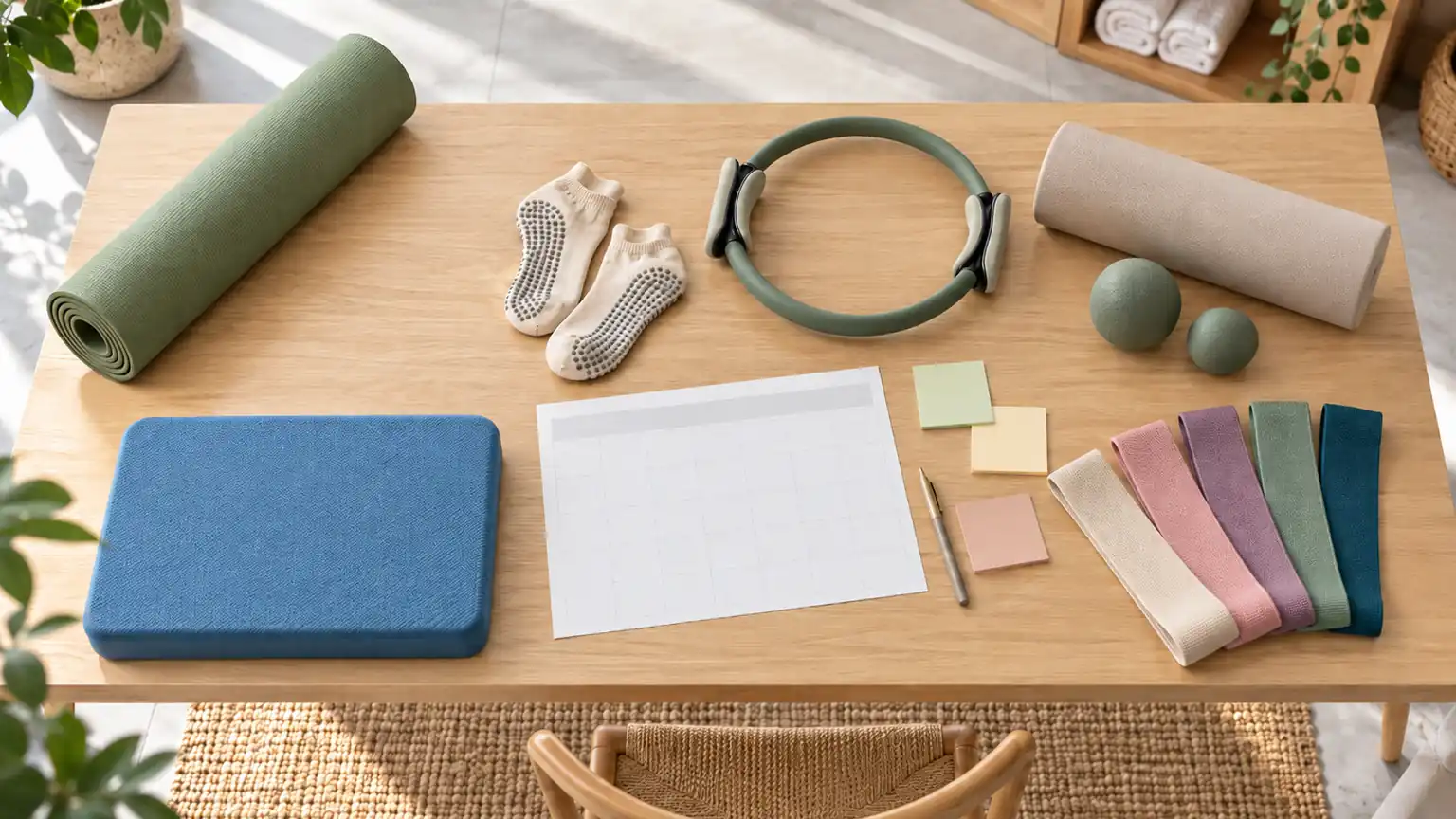
Studio bookings don’t automatically become accessory orders, though. It depends which kind of Pilates. Reformer studios buy grip socks, small balls, rings and light weights, and they reorder because these wear out or get sold to members. At-home and mat Pilates buyers want a mat that is a little thicker and denser than a standard yoga mat, since much of the work is done lying down. The product-line differences are covered in our guide to how Pilates mats differ from yoga mats, and shaped mats in oval Pilates mats.
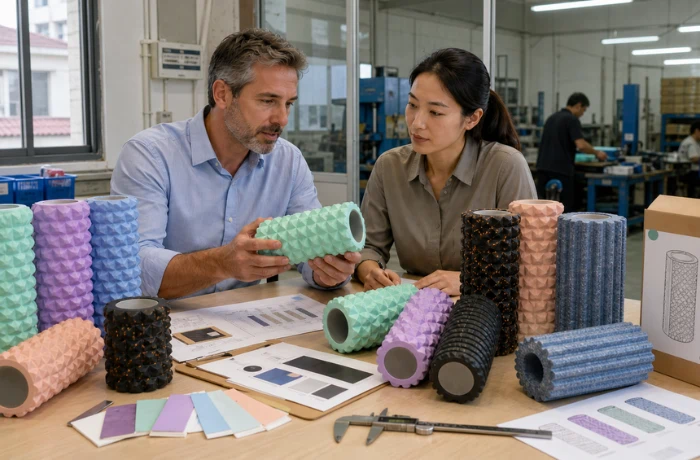
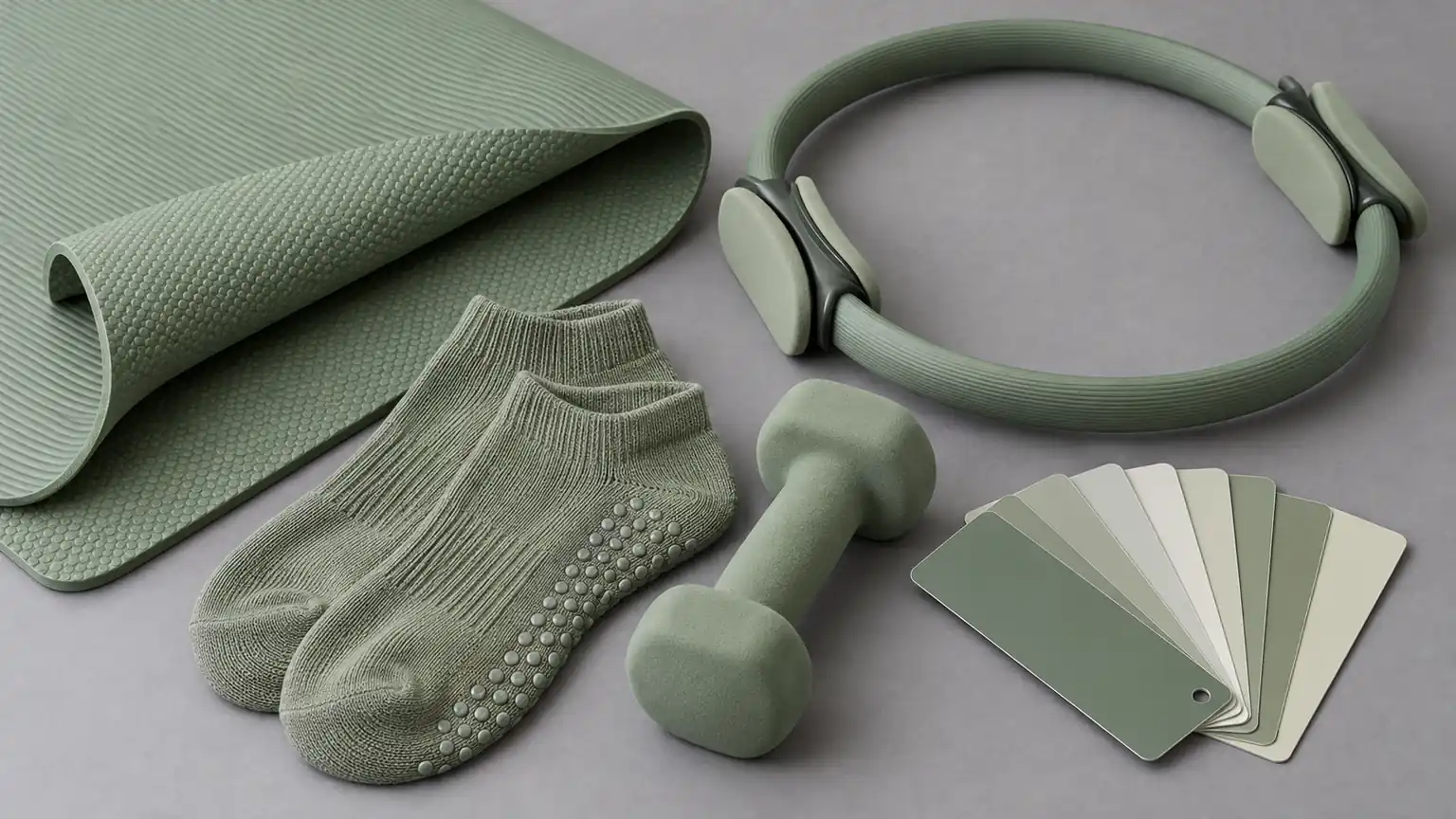
Pilates ranges are wide and shallow: a mat, socks in three sizes, a ring, a pair of light weights, all meant to look like one set. None of those items is hard to make. Getting them to match is. Knitted cotton, TPE foam and PU film take colour differently, so a sage green that looks right on the mat can come out grey on the socks. The fix is boring but it works: approve one physical colour standard, ask for a strike-off on every material, and accept a stated tolerance rather than “exact”.
Products for Older Adults
Fitness programs for older adults rank No. 4 for 2027 and have now been in ACSM’s top five for five consecutive years. ACSM ties this to demographics: by 2030 every US baby boomer will be over 65. NielsenIQ’s 2025 global health and wellness survey found 57% of consumers now prioritise “aging well” more than they did five years ago.
Older users don’t need a different product category. They need the same categories with different priorities:
- Stability over softness. A firm balance pad or a dense 6–8mm mat is easier to stand on than a soft one. Our notes on why balance pads lose shape explain why density matters more than thickness.
- Light, easy-to-handle rollers and bands. Smooth, medium-firm rollers and bands with resistance levels printed clearly on the band, not only on the packaging.
- Readable instructions. Large-print exercise cards or a QR code to a video. It sounds minor, but it is a frequent cause of returns.
None of this is launch business. It’s replenishment: steady orders, little seasonality, and customers who notice immediately when the third batch feels softer than the first. Lock colour codes and densities in writing. Our balance pad buying trends in the USA show how much reviews in this segment turn on consistency.
Strength Training Stays Core
Traditional strength training climbed to No. 5 in the 2027 survey and exercise for weight management sits at No. 6. ACSM’s 2026 report widened the weight-management trend to include people using GLP-1 medications, for whom resistance training helps preserve muscle.
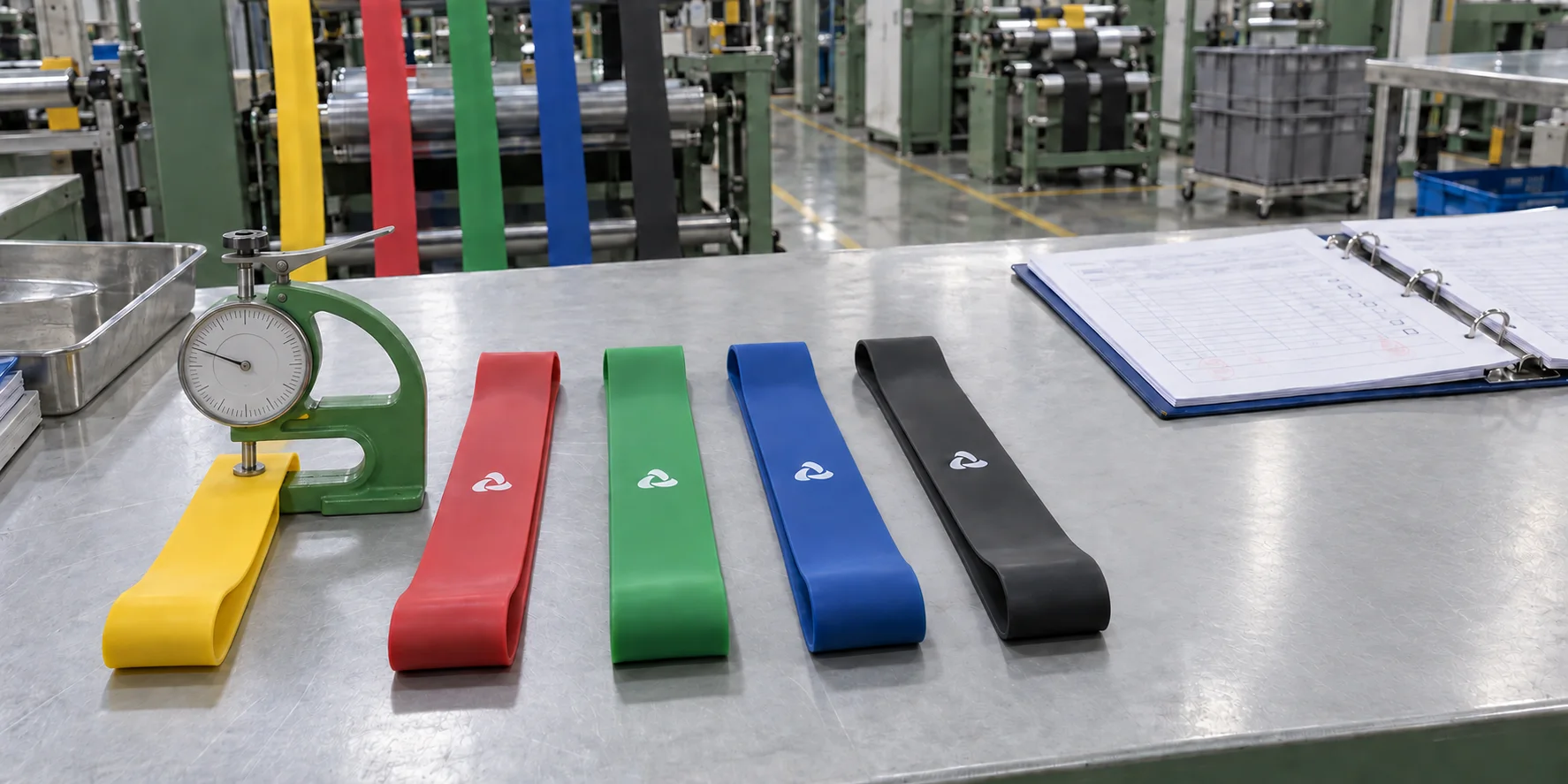
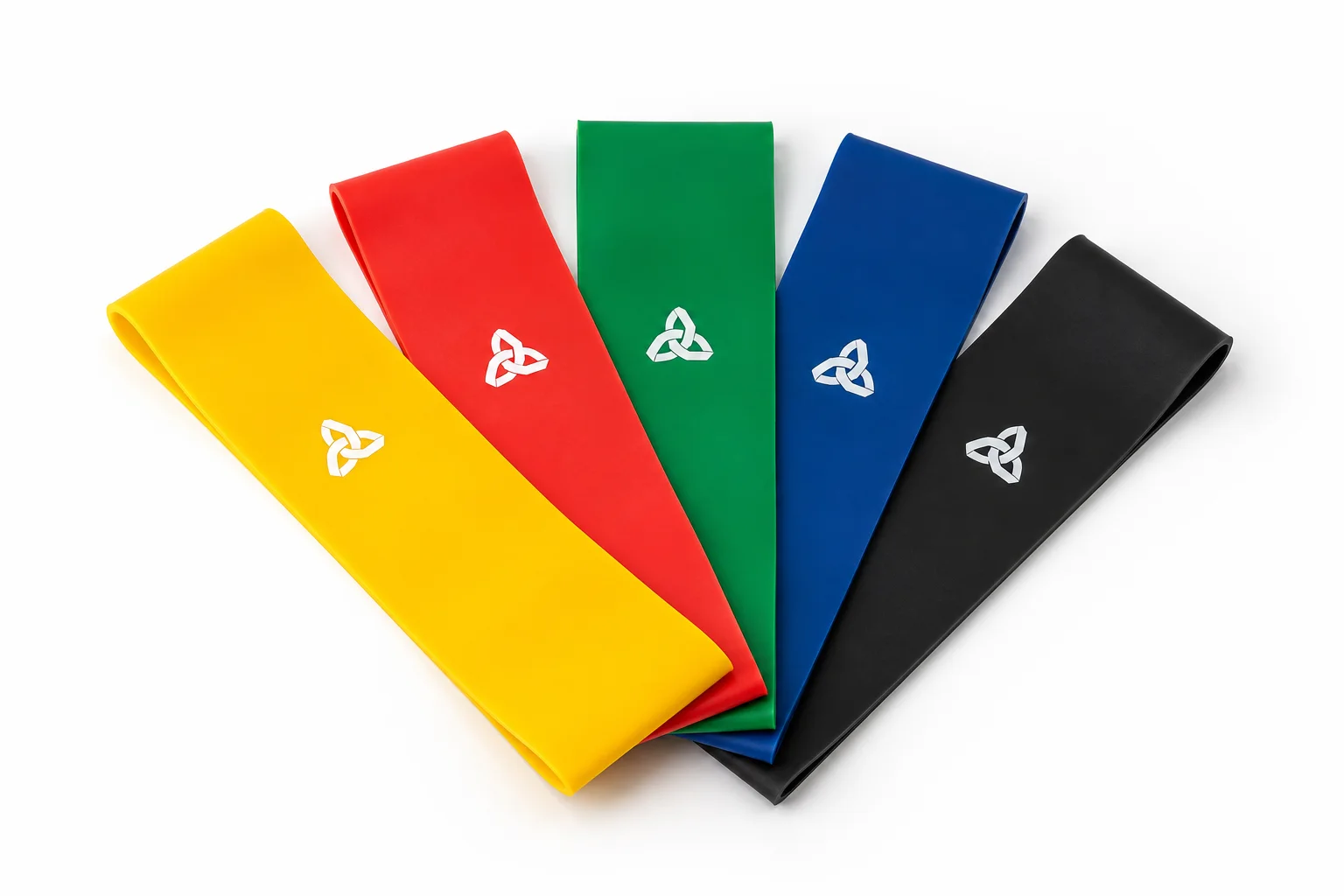
The accessories here are not new: resistance bands, mini loops, fabric bands and ankle weights. What matters to buyers is grading. If “medium” in your set doesn’t match “medium” in your reorder, customers notice. Our OEM resistance band sourcing guide covers how to specify levels so they stay put.
Recovery as a Daily Habit
Recovery used to be something athletes did. In ACSM’s 2027 list, hot and cold therapies reached No. 11, their highest ranking so far, and the top-ranked trend, wearable technology, is described as giving real-time feedback on sleep and recovery as well as activity. Now it shows up as a score on a watch every morning, and people who look at a score tend to buy things to improve it.
For product lines, this mostly helps foam rollers, massage balls and kits that combine them. It is also the reason so many yoga brands are adding recovery products, a move we analyse in how category expansion from yoga to recovery is becoming connected. The risks of that move are real, and are listed in the biggest sourcing risks when expanding into recovery.
Recovery sells in sets. Roller, ball and band in one box, gift-wrapped for December. The catch is arithmetic: every item in the box has its own minimum, so a 300-set kit is really three separate 300-piece orders plus a custom box. Do that sum before you design the packaging; our fitness product bundling strategy walks through it.
Group Classes Are Back
Group fitness classes jumped from No. 13 to No. 7 in the 2027 survey, the biggest move in the top ten. More classes means more studio mats, and a studio mat is a different animal from a retail one: heavier, tougher, wiped down ten times a day, often hung on a wall by two eyelets. The spec differences are set out in yoga mats for studios vs home use and how storage method decides mat specs.
Hot yoga studios in particular push buyers towards PU-top mats with real wet grip; our PU yoga mat specs for hot yoga explain what to ask for.
Channel: How and When Product Gets Sold
Apps and Creator-Led Fitness
Mobile exercise apps rose to No. 2 in 2027, and influencer- or ambassador-led programs jumped into the top 10 from outside the top 20. Demand driven by a creator or an app challenge behaves differently from retail demand. It rises fast and can fade just as fast.
The sourcing answer is staged ordering: start from an existing catalogue product with your logo, sell through, then move to a custom version once the numbers are proven. Committing to fully custom tooling for an untested product is how brands end up with a warehouse of last season’s viral item. For Amazon sellers, selling resistance bands on Amazon covers the FBA side of the same problem.
The Buying Calendar Hasn’t Moved, But Lead Times Have
January is still the biggest month for fitness retail, driven by New Year resolutions. What catches buyers out is how early the work has to start. Working backwards from a January shelf date: shipping takes four to six weeks by sea, production three to five weeks, sampling and approvals another three to six. For a custom order that means artwork and specs need to be final by late summer, and for retail chains that plan promotional programmes, often earlier.
If you sell through large retailers, their vendor requirements add time too. What Amazon Vendor Central, REI and Target actually require is a useful checklist before your first programme.
Rules: What You Can Sell, Say and Ship
EU: Green Claims, Packaging and Product Safety
Three EU laws now shape what fitness brands put on their products and packaging:
| Rule | In force | What it means for fitness products |
|---|---|---|
| General Product Safety Regulation (GPSR), Regulation (EU) 2023/988 | 13 December 2024 | An EU-based responsible person, traceability details on the product or packaging, safety information in local languages |
| Empowering Consumers for the Green Transition Directive (ECGT), Directive (EU) 2024/825 | Applies from 27 September 2026 | Generic environmental claims such as “eco-friendly” or “green” are banned unless the trader can prove recognised excellent environmental performance relevant to the claim |
| Packaging and Packaging Waste Regulation (PPWR), Regulation (EU) 2025/40 | Applies in phases from 12 August 2026; harmonised sorting labels from 2028 at the earliest | Packaging must be minimised and, in later phases, recyclable and labelled with sorting information |
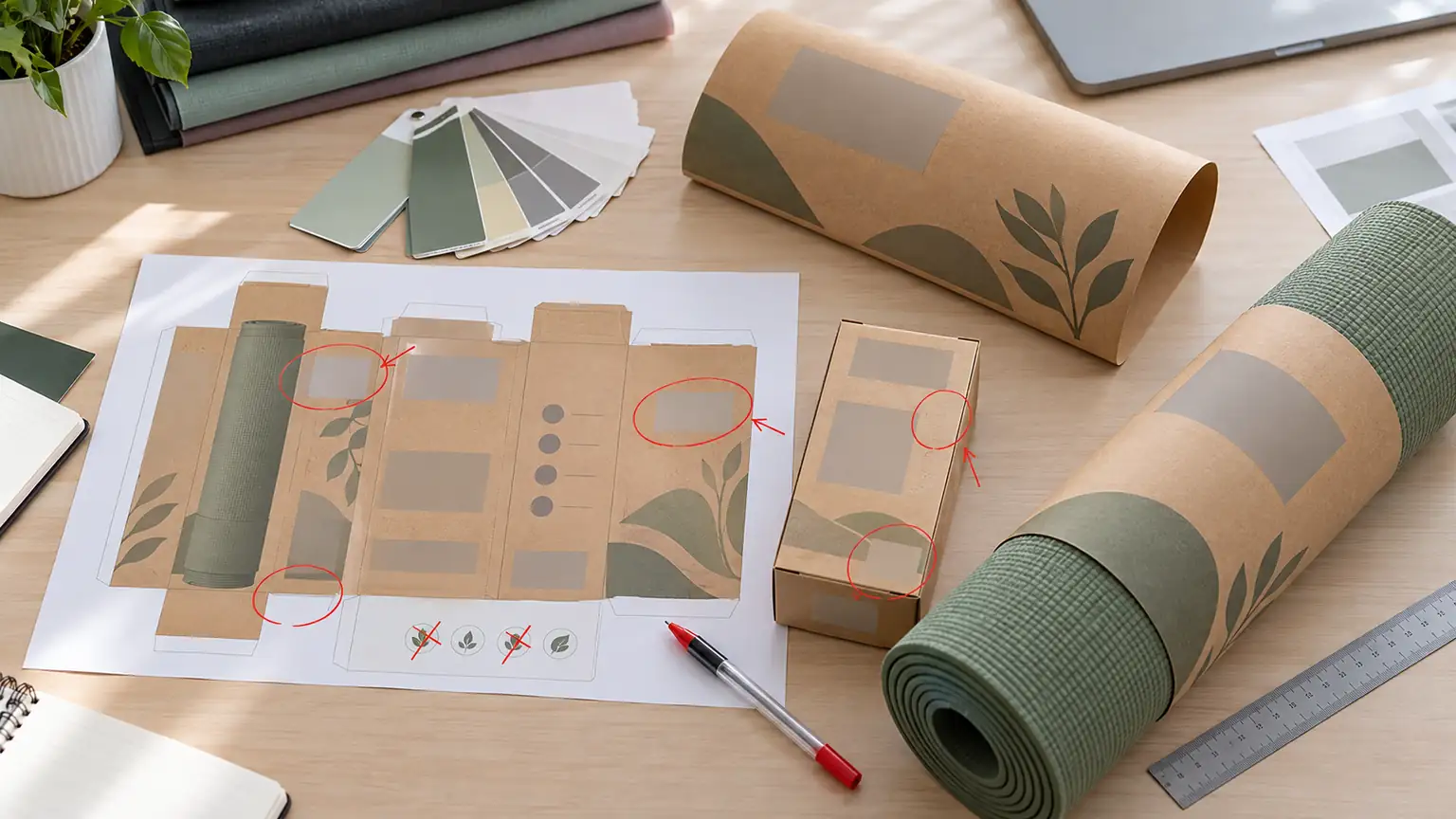
The ECGT is the one that affects artwork today. A mat described as “eco-friendly” with nothing behind it is now an unfair commercial practice in the EU. “PVC-free TPE” or “made with 30% recycled content, certified to [standard]” can still be used if you hold the documents. NielsenIQ’s 2025 survey found 82% of consumers want clearer, more transparent labels on wellness products, so the rule and the market are pulling in the same direction.
Chemical safety claims such as “non-toxic” follow their own logic; we cover them in non-toxic yoga mat claims and the certifications behind them. For pack design, see yoga mat packaging design: compliance, risk and cost. And for the test reports EU retailers request, see fitness equipment certifications explained.
US: The 2026 Tariff Reset
US import duties changed three times in 2026:
- 20 February 2026: the Supreme Court ruled in Learning Resources v. Trump that the International Emergency Economic Powers Act (IEEPA) does not authorise tariffs. The IEEPA duties stopped being collected on 24 February.
- 24 February – 24 July 2026: a temporary 10% surcharge under Section 122 of the Trade Act applied, and expired at its 150-day legal limit.
- From 24 July 2026: new Section 301 duties of 10% or 12.5% apply to goods from around 60 economies. The earlier Section 301 duties on Chinese goods continue alongside them, and the new duties are already being challenged in court.
So if your landed-cost spreadsheet dates from the spring, it’s wrong. Before setting 2027 retail prices, ask your customs broker for the current rate on your exact HTS codes, and decide whether FOB or DDP terms suit you better. The trade-offs are laid out in DDP vs FOB for yoga mat shipments, and the country question in China vs Vietnam vs India for fitness sourcing.
Reading the Market: Trade Shows Worth Planning Around
Trade shows are still where most buyers compare suppliers side by side. Three dates matter for 2027 planning:
| Show | Where and when | Best for |
|---|---|---|
| ISPO | Amsterdam, early November each year (moved from Munich; the 2026 edition runs 3–5 November) | Sports and outdoor brands, retail buyers |
| FIBO | Cologne, 8–11 April 2027 | Fitness equipment, studio and club buyers, the largest fitness-specific show |
| Canton Fair (spring session) | Guangzhou, expected mid-April to early May 2027 | Meeting factories directly across many categories |
We wrote up what we saw at a regional show in five observations from Sportec Thailand 2026. Whatever show you attend, go with your spec sheet and your target quantities ready. A booth conversation that starts with “what’s your MOQ?” rarely gets far.
Trends We Think Are Overrated for Sourcing
Not every trend is worth a purchase order. Four we would be careful with:
- Smart mats and connected accessories. They show up in every trend report. But electronics bring certification, firmware and returns costs that a mat brand isn’t set up for, and the category is still a niche.
- One-off viral products. If demand comes from one video, it can be gone before your custom order lands. Start with catalogue stock.
- Wide kits at very low volumes. A kit of six different items, each fully customised, at a few hundred sets often can’t reach each item’s minimum. It is better to launch with one hero product and add to it.
- Colour trends without a core palette. Trend colours are worth one or two SKUs, not a whole line. Our 2026 yoga mat colour trends show how to balance the two.
What This Means for Your 2027 Range
| If you are… | Prioritise | Watch out for |
|---|---|---|
| A brand owner or D2C brand | One strong hero SKU in Pilates or recovery; documented claims | Unsupported “eco” wording for EU sales |
| A distributor or retail chain | Older-adult and studio-grade lines; early programme dates | Lead times for January; vendor compliance |
| A practitioner-founded rehab brand | Clear resistance grading; consistent densities | Claims that drift into medical territory |
| An apparel brand adding equipment | Colour matching across fabric and mats | Per-colour minimums on mats and bands |
If you’re expanding into a new category this year, how fitness brands evaluate new categories and start narrow or build a full line are good next reads.
Where Wellfitsource Fits
We make yoga mats, foam rollers, foam balance pads and resistance bands, plus recovery accessories such as massage balls, for private label and OEM customers. Most of the trends above show up in the questions buyers send us first: how to colour-match a Pilates set, which balance pad density suits older users, what can be printed on a box going to the EU. If you’re planning a 2027 range, send us your target categories and quantities and we’ll tell you honestly which parts we can make well.
Talk to us about your 2027 range →
FAQ
What are the biggest fitness trends for 2027?
According to ACSM’s 2027 Worldwide Fitness Trends survey, the top five are wearable technology, mobile exercise apps, balance, flow and core strength (Pilates, yoga and barre), fitness programs for older adults, and traditional strength training. Group fitness classes rose to No. 7 and hot and cold therapies reached No. 11.
Is Pilates still growing in 2026 and 2027?
Yes. ClassPass reported Pilates as its most-booked workout for the third year in a row in 2025, with reservations up 66% year on year. ACSM’s 2027 survey moved the Pilates, yoga and barre category up to No. 3.
Which fitness products are in highest demand from retailers and brands?
Products tied to Pilates and core work, recovery tools such as foam rollers and massage balls, and stable, easy-to-use products for older adults. Resistance bands remain a steady core line because strength training stays in the top five.
Can I still call a yoga mat “eco-friendly” in the EU?
Not as a standalone claim. Since 27 September 2026, Directive (EU) 2024/825 bans generic environmental claims unless the brand can prove recognised excellent environmental performance relevant to the claim. Specific, documented statements such as “PVC-free” or a stated recycled-content percentage with certification are still allowed.
Are US tariffs on fitness equipment still in effect?
Yes, but under different rules. The IEEPA tariffs ended after the Supreme Court ruling in February 2026, and a temporary surcharge expired in July. Since 24 July 2026, new Section 301 duties apply, alongside the earlier Section 301 duties on Chinese goods. Check the rate for your specific HTS codes with a customs broker.
The Industry Insights Library
Category and range planning
- From yoga to recovery: connected category expansion · Evaluating new categories · Start narrow or build a full line · Bundling strategy
Market observations
Manufacturing and sourcing
- The complete guide to OEM fitness equipment manufacturing · Launching a private label fitness brand · China vs Vietnam vs India
Compliance and risk
- Scaling sourcing: supplier risk and channel compliance · Certifications explained · Retail vendor compliance · Pre-shipment inspection
Products