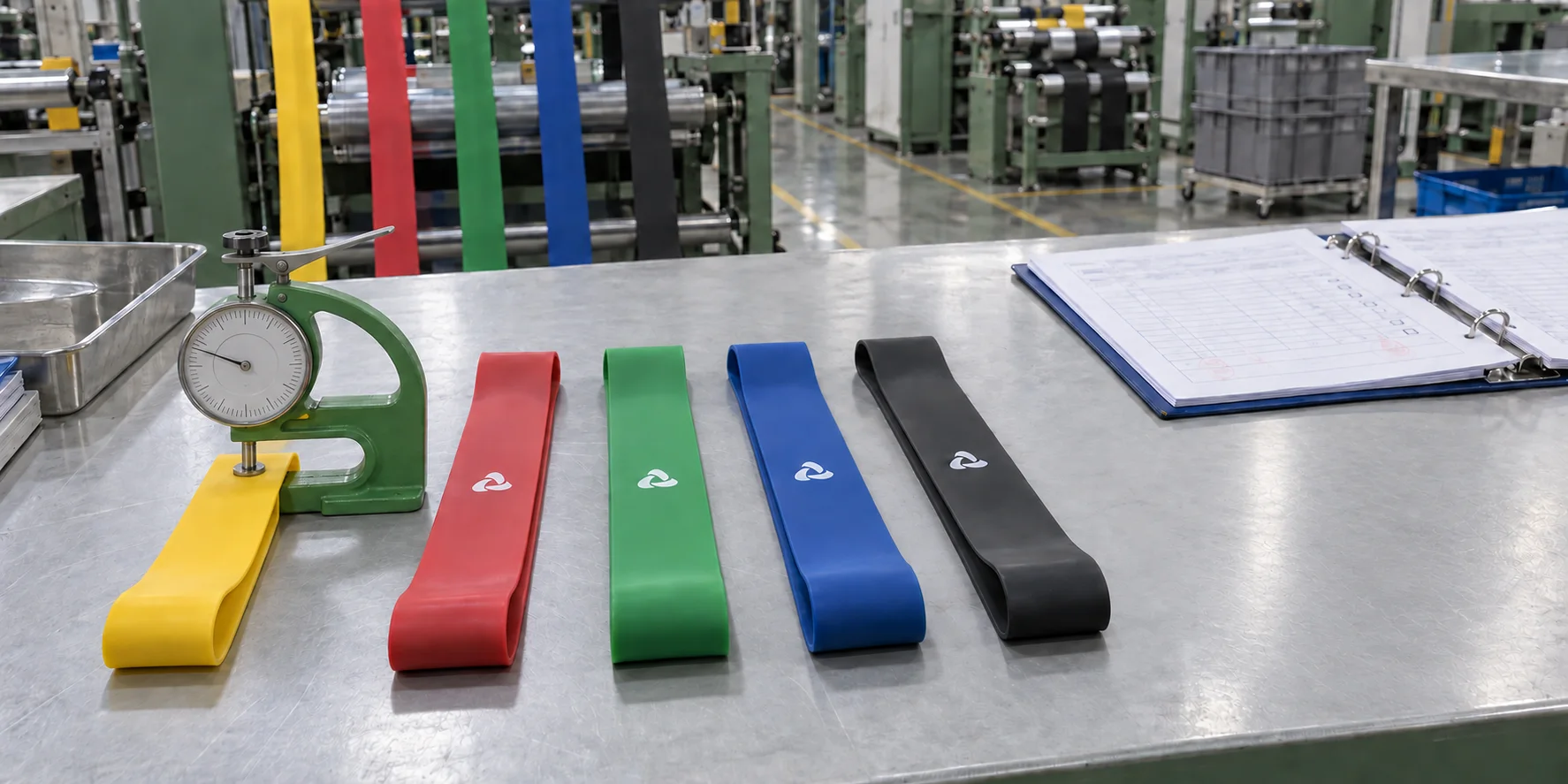
One supplier can make your operation feel calm.
One PO rhythm. One QC language. One packaging system.
But it can also quietly concentrate risk until one production delay, one material issue, or one communication breakdown freezes an entire launch.
On the other side, multiple suppliers can reduce dependency—but create operational fatigue through fragmented lead times, inconsistent QC standards, and endless coordination loops.
That’s the real sourcing question fitness buyers face as categories expand.
This isn’t a “how to choose a factory” post. It’s a fitness product sourcing strategy question: how supplier structure shapes execution when your SKU count grows.
Quick Answer
There’s no universal “better” supplier structure.
One supplier usually improves coordination, packaging consistency, and operational simplicity—especially when products share the same manufacturing rhythm.
Multiple suppliers can reduce dependency and improve category specialization, but it increases communication load, QC variation risk, and replenishment complexity unless you standardize specs, qualification, and change control.
The right structure depends on category overlap, your team’s operational maturity, and how much execution complexity you can realistically absorb.
Buyer Snapshot
This is for:
- Private label fitness brand owners (Amazon, Shopify, wellness startups)
- Importers / distributors and wholesale sourcing teams
- Sourcing, product, and operations managers managing replenishment
Key Takeaway: As SKU count grows, supplier structure becomes an operating system decision—not a factory preference.
One Supplier vs Multiple Suppliers at a Glance
| Dimension | One supplier tends to work better when… | Multiple suppliers tends to work better when… |
|---|---|---|
| Operational rhythm | Products share the same production rhythm (materials, processes, inspections, and packaging) | Products run on different production rhythms (foam vs textiles vs molded) |
| Team capacity | You need fewer coordination loops to move fast | You can manage vendor governance without bottlenecks |
| Quality system | One QC language and one CAPA loop will prevent drift | You can enforce the same acceptance criteria across vendors |
| Lead time plan | You want one predictable replenishment cadence | You need capacity flexibility and buffers against disruptions |
| Risk posture | You can manage concentration risk with buffers, reserved capacity, or backup plans | You need to reduce single-point-of-failure exposure |
Suggested Supplier Structure Model
Use this as a quick “situation → structure” map when you’re expanding SKUs.
| Product situation | Recommended structure |
|---|---|
| Same material + same packaging + same QC method | Consolidated supplier |
| Same category, but different packaging requirements | Core supplier + packaging standardization |
| Foam + textile + molded accessories across the range | Semi-consolidated + category specialists |
| High disruption cost if one supplier slips | Dual-source or backup supplier |
| Small team or early-stage operations | One core supplier first, then add specialists slowly |
Why Supplier Structure Matters More During Category Expansion
A single SKU is easy to manage.
But multi-category expansion is where procurement turns into systems work.
Every new product adds more than a SKU. It adds:
- another MOQ you need to coordinate
- another packaging spec to control
- another inspection routine to keep consistent
- another lead-time pattern to sync with your launch calendar
Expansion Creates Coordination Pressure
The pressure doesn’t show up as one big failure.
It shows up as fatigue:
- artwork and packaging files living in five different email threads
- slightly different carton specs causing inconsistent unboxing
- one supplier changing an adhesive or material feel without telling you
- three different “lead time” definitions across three vendors
Supplier Complexity Usually Grows Quietly
Supplier fragmentation rarely fails dramatically.
It fails slowly through operational drag:
- small inconsistencies you tolerate because they don’t break the launch
- minor delays that don’t seem worth escalating
- a growing number of “exceptions” that becomes the normal workflow
When One Supplier Makes More Sense

One supplier isn’t “better.” It’s just a cleaner operating system—when your products can actually run on the same rhythm.
Shared Materials and Production Systems
One supplier often works best when products belong to the same operational rhythm.
In fitness categories, that’s usually when your SKUs share:
- similar base materials
- similar process controls
- similar inspection methods
A simple example: products that rely on the same foam family, similar surface treatments, or the same packaging format often coordinate cleanly.
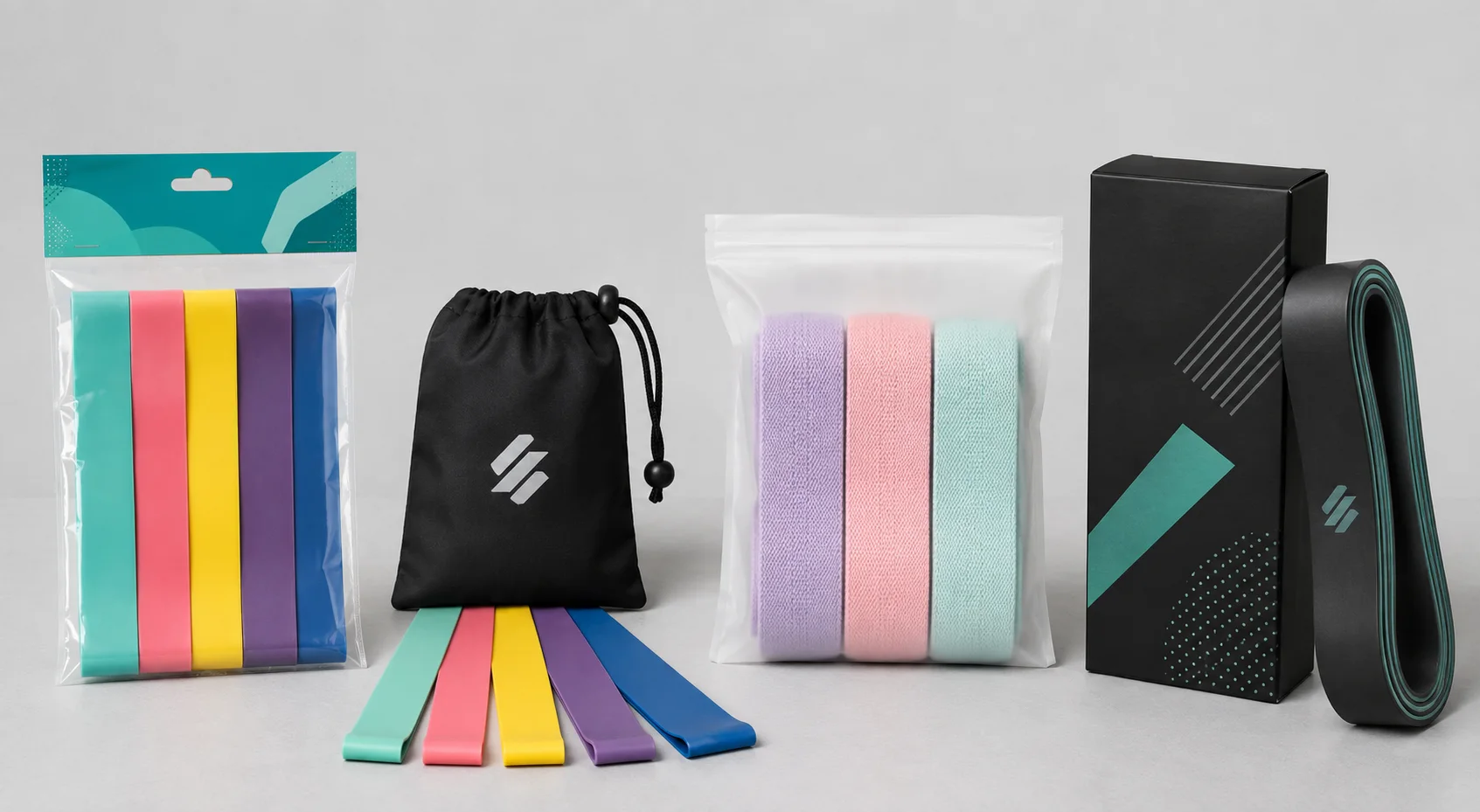
Packaging Consistency Matters
Packaging doesn’t just affect branding.
It affects operational consistency:
- carton dimensions (freight efficiency)
- label placement (warehouse scanning)
- warnings / claims language (compliance review)
- packaging inserts (bundles, cross-sells)
With one supplier, you have one packaging language—and fewer chances for drift.
Pro Tip: If your customer experience depends on consistent packaging across multiple SKUs, treat packaging specs like a QC document, not a “design file.”
Lower Communication Drag
Every supplier adds more “work you don’t see”:
- another PO process
- another sampling cadence
- another person interpreting your specs
- another corrective-action loop
Even if each supplier is competent, your team still carries the coordination load.
Easier MOQ Coordination
MOQ pressure is rarely a single number.
It’s the coordination problem behind the number:
- Can you align multiple SKUs to hit MOQs without bloating inventory?
- Can you synchronize replenishment so you don’t stock out of one item and overstock another?
A consolidated supplier structure can make MOQ coordination feel lighter—because you’re negotiating within one system.
When Multiple Suppliers Actually Reduce Risk
Multi-supplier is not automatically inefficient.
In some situations, it’s the more stable operating choice—especially when categories diverge.
Avoiding a Single Point of Failure
If one factory delay can freeze your whole launch calendar, you don’t have a supplier strategy.
You have a single point of failure.
That’s why many procurement frameworks encourage at least a dual-source view for categories where disruption cost is high.
The distinction that matters is simple: are you choosing concentration, or do you have no viable alternative? If one factory slip can freeze your launch, you’re carrying a single point of failure—whether you call it “single sourcing” or not.
Category Specialists Can Improve QC
Some suppliers are genuinely better at certain categories—not because they “try harder,” but because their process controls fit the product.
Think in systems:
- foam products have one set of risks (density drift, surface finish, odor, compression set)
- textile-heavy products have another (stitch consistency, dye lot variation, seam failure)
- molded accessories have another (tool wear, flashing, dimensional tolerance)
When categories need different systems, specialists can reduce quality risk.
Pricing Leverage and Capacity Flexibility
Splitting supply can also be a pressure valve.
- You can shift volume if one supplier is capacity-constrained.
- You can maintain negotiating leverage without turning every conversation adversarial.
A practical way to decide is to compare two costs:
- Disruption cost: what you lose if this supplier slips 3–4 weeks (launch window, retail reset, cash flow).
- Coordination cost: what it takes to run a second source well (specs, QC alignment, change control).
A dual-source model makes sense when disruption cost is higher than coordination cost.
The Hidden Cost of Supplier Fragmentation
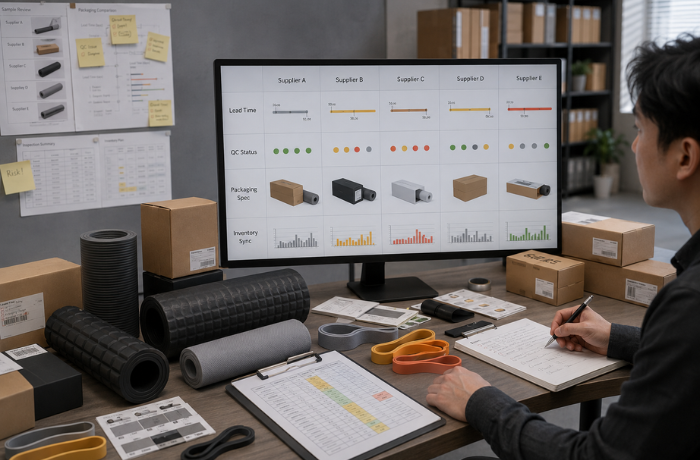
Most buyers underestimate fragmentation because they only count visible costs:
- more POs
- more sampling
- more vendor meetings
The real cost is the drag that builds in your system.
QC Drift
If your QC standards live in one supplier’s world, moving to multiple suppliers can introduce drift.
Not because suppliers are careless—because consistency requires a shared supplier quality management system: clear standards, qualification, monitoring, and corrective actions.
Multi-supplier only works when you run a real supplier quality management system: version-controlled specs, clear acceptance criteria, routine audits/scorecards, and a corrective-action loop that doesn’t reset to zero with every new vendor.
Packaging Inconsistency
Packaging variance shows up in uncomfortable ways:
- two SKUs that should sit next to each other look like they came from different brands
- carton sizes don’t palletize together, raising freight cost
- barcode placement varies, slowing warehouse handling
It’s rarely one big mistake. It’s a slow loss of standardization.
Lead Time Misalignment
With multiple suppliers, you don’t have “a lead time.”
You have multiple rhythms:
- different production queues
- different holiday schedules
- different raw material dependencies
- different shipping lanes
That misalignment makes launches feel heavy: one item arrives, two don’t, and the whole bundle (or retail reset) waits.
Inventory Synchronization Problems
Inventory sync is where multi-supplier complexity becomes physical.
You can feel it:
- stockouts on the one SKU that completes a bundle
- overstocks created by MOQ-driven orders
- replenishment cycles that never line up
If you’re building kits or bundles, fragmentation amplifies the problem.
(If bundling is part of your growth plan, see Fitness Product Bundling Strategy for Retailers.)
Communication Fatigue
Communication load scales faster than SKU count.
Every change request becomes a loop:
- product spec update
- packaging artwork update
- label compliance check
- inspection update
- timeline re-quote
With multiple suppliers, you repeat those loops across vendors.
A multi-supplier model only works cleanly when you run tight documentation and change control.
(That’s why supplier consolidation is often a step—not because it’s fashionable, but because it’s sometimes the only way to slow the coordination load.)
A Practical Decision Framework for Fitness Buyers
This is the part most teams skip in fitness supply chain management: deciding what you can standardize, and what you must diversify.
Instead of asking “one supplier or multiple suppliers,” start with a simpler question:
Do these products belong to the same operational rhythm?
1) Same operational rhythm?
Yes if:
- similar lead time ranges
- similar inspection method and defect language
- replenishment can follow the same cadence
No if:
- one category is stable and another is seasonal/volatile
- inspection methods differ materially
- packaging formats are incompatible
2) Shared materials (or shared risk)?
Yes if:
- one raw material issue can affect multiple SKUs
- the products share similar suppliers upstream
If “yes,” consolidation can simplify—but also concentrate risk. Be intentional.
3) Shared packaging logic?
Yes if:
- cartons can standardize
- inserts/labels follow the same templates
- your unboxing and retail presentation needs consistency
If “yes,” consolidation reduces drift.
4) Team capacity to govern multiple suppliers?
Be honest.
If your team already feels drag with one supplier, multiple suppliers won’t fix it.
It will multiply it.
5) Dependency risk tolerance?
Ask a hard question:
If this supplier slips by 3–4 weeks, what breaks?
- a launch window
- a retail reset
- your inventory position
- your cash flow
If the consequence is high, you need a mitigation plan (dual-source, safety stock, reserved capacity) even if you consolidate.
Buyer Checklist (Yes/No)
Use this as a quick gating tool:
- Do the SKUs share the same operational rhythm (lead time + replenishment cadence)?
- Can we standardize QC language and acceptance criteria across suppliers?
- Do we have packaging specs that are version-controlled (not just “files”)?
- Do we have a change-control process (what changes require approval)?
- Can our team manage the communication load without bottlenecks?
- Can we tolerate a single point of failure—or do we need dual sourcing?
How Private Label Fitness Brands Should Start
Most teams don’t need extreme consolidation or extreme fragmentation.
In private label fitness sourcing, a structure that looks elegant on a spreadsheet can still feel heavy in week-to-week execution.
A practical starting model is semi-consolidated:
- One core supplier for the largest overlapping set of SKUs (shared rhythm)
- One or two specialists for categories that truly need different systems
This avoids supplier explosion early, while keeping a risk buffer.
If you’re expanding categories, it also helps to pressure-test operational fit before committing. A good starting point is How Fitness Brands Evaluate New Categories Before Expansion.
⚠️ Warning: The fastest way to create supply chain fatigue is adding new suppliers faster than you add documentation and change control.
Where WellfitSource Fits
At WellfitSource, we often see buyers underestimate how much operational pressure comes not from products—but from disconnected supplier systems.
If you’re expanding from yoga mats into recovery accessories (or building bundles that need consistent packaging and replenishment), supplier structure becomes the difference between a calm operating rhythm and constant drag.
For a deeper look at category adjacency risks, see Biggest Sourcing Risks in Yoga-to-Recovery Product Expansion.
FAQ
Is it better to use one supplier or multiple suppliers for fitness products?
It’s better to use the structure you can govern without drift. One supplier often improves coordination and packaging consistency, while multiple suppliers reduces dependency and can improve category specialization when QC and change control are standardized.
What is the biggest risk of using multiple suppliers?
The biggest risk is slow inconsistency: QC drift, packaging variance, and lead-time misalignment that creates operational fatigue. Multiple suppliers can work well—but only with stronger specs, qualification, and monitoring.
When should brands split suppliers by category?
Split suppliers when categories require different production systems or inspection methods (for example, foam-heavy products vs textile-heavy products vs molded accessories). If the operational rhythm is fundamentally different, forcing consolidation can increase quality and lead-time risk.
Does supplier consolidation reduce MOQ pressure?
It can—because MOQs become easier to coordinate within one system, and you often have more negotiating leverage with consolidated volume. But consolidation can also concentrate risk, so MOQ relief shouldn’t be the only reason.
How should private label fitness brands structure suppliers at the beginning?
Start semi-consolidated: one core supplier for overlapping SKUs, plus one or two specialists where needed. Add suppliers only when you can also add documentation, QC standardization, and change control.
Related Reading
If you’re building a sourcing system (not just buying products), these pieces connect into one cluster:
- Category expansion: From Yoga to Recovery: How Fitness Categories Connect
- Category evaluation: How Fitness Brands Evaluate New Categories Before Expansion
- Recovery sourcing risk: Biggest Sourcing Risks in Yoga-to-Recovery Product Expansion
- Bundles & inventory sync: Fitness Product Bundling Strategy for Retailers
If you want background on who we are: About WellfitSource
Next step
If you want, share your current SKU list + which categories you’re adding next. We can map a simple supplier structure for the next 90 days (what to consolidate, what to split, and what to standardize) so expansion doesn’t turn into operational drag.