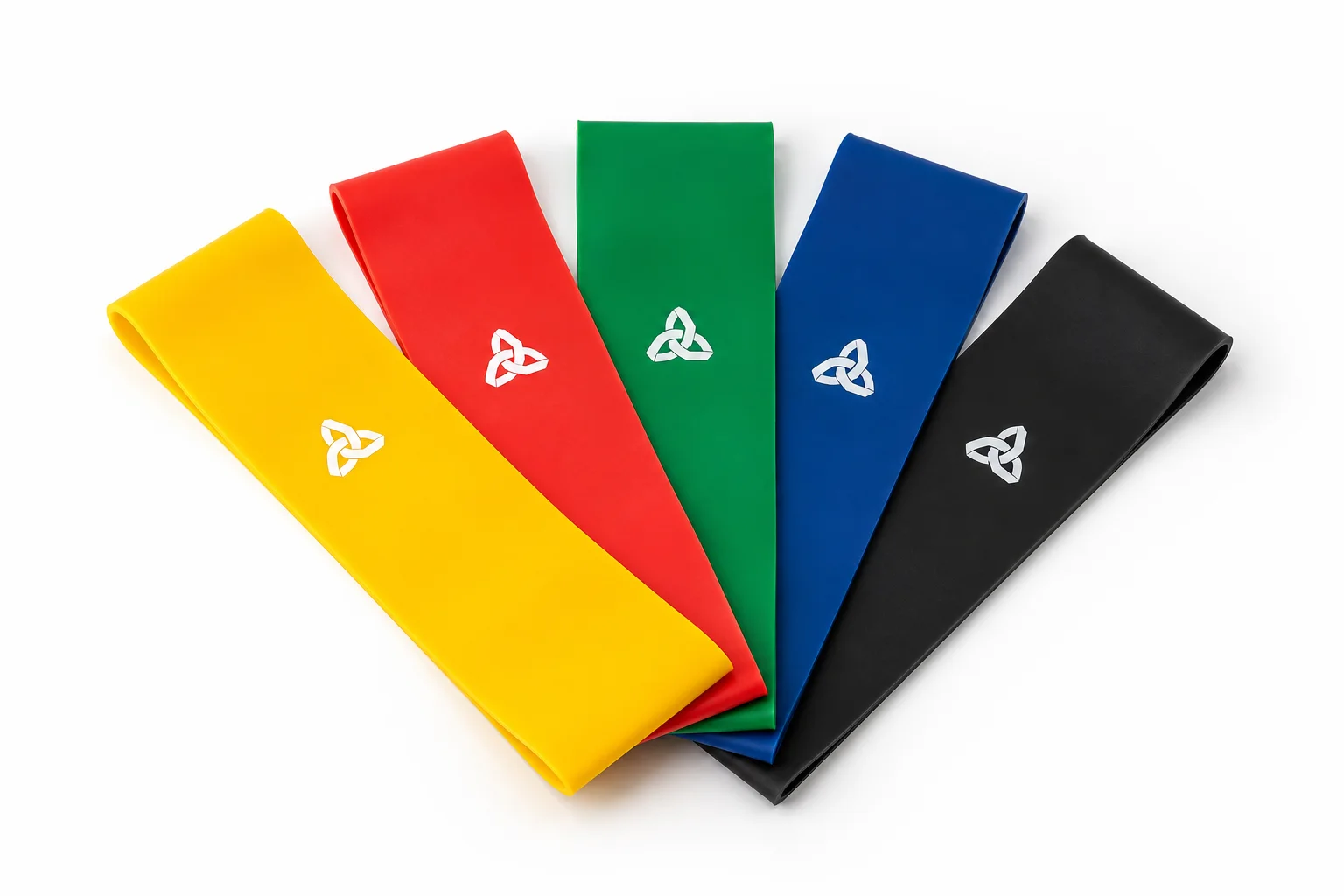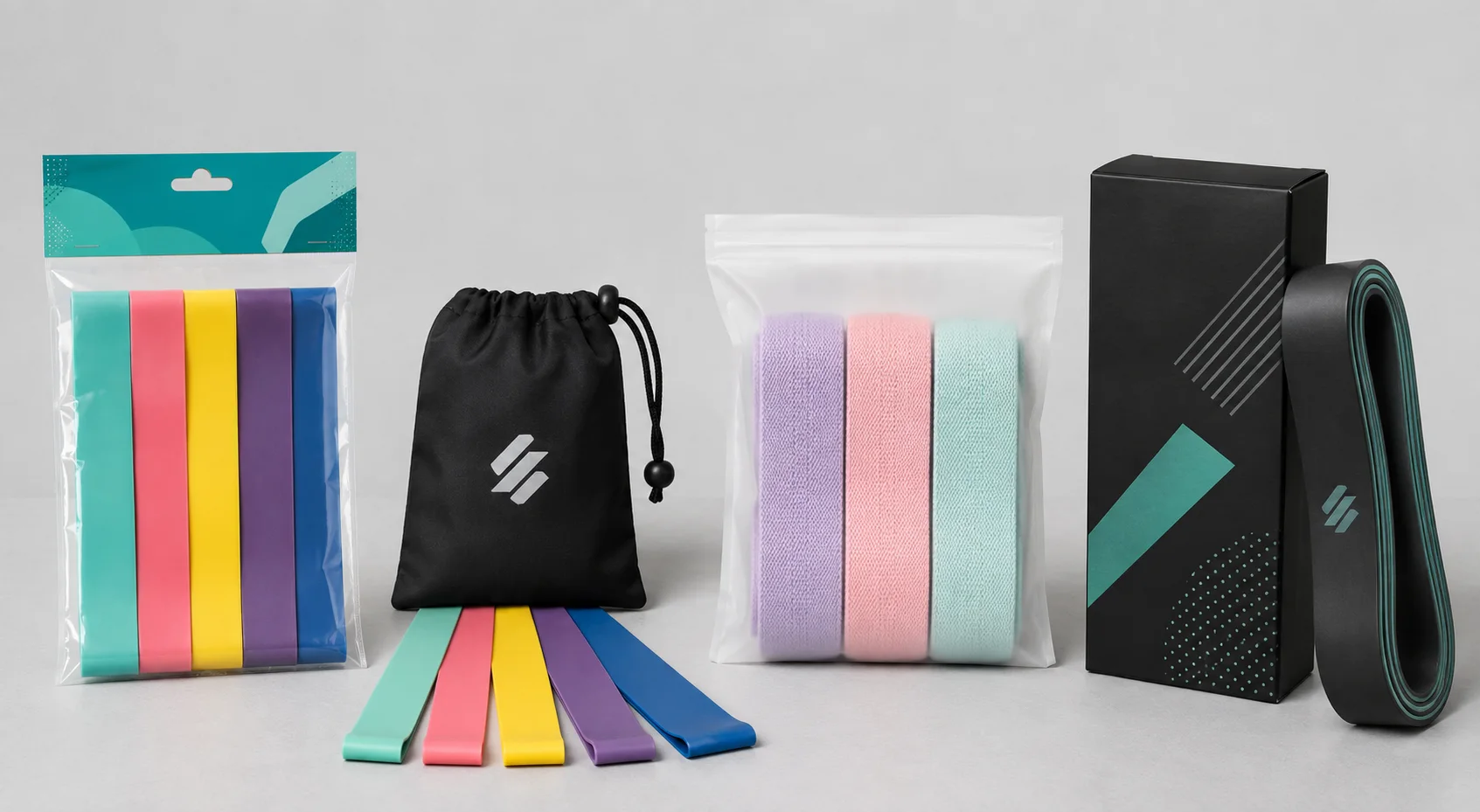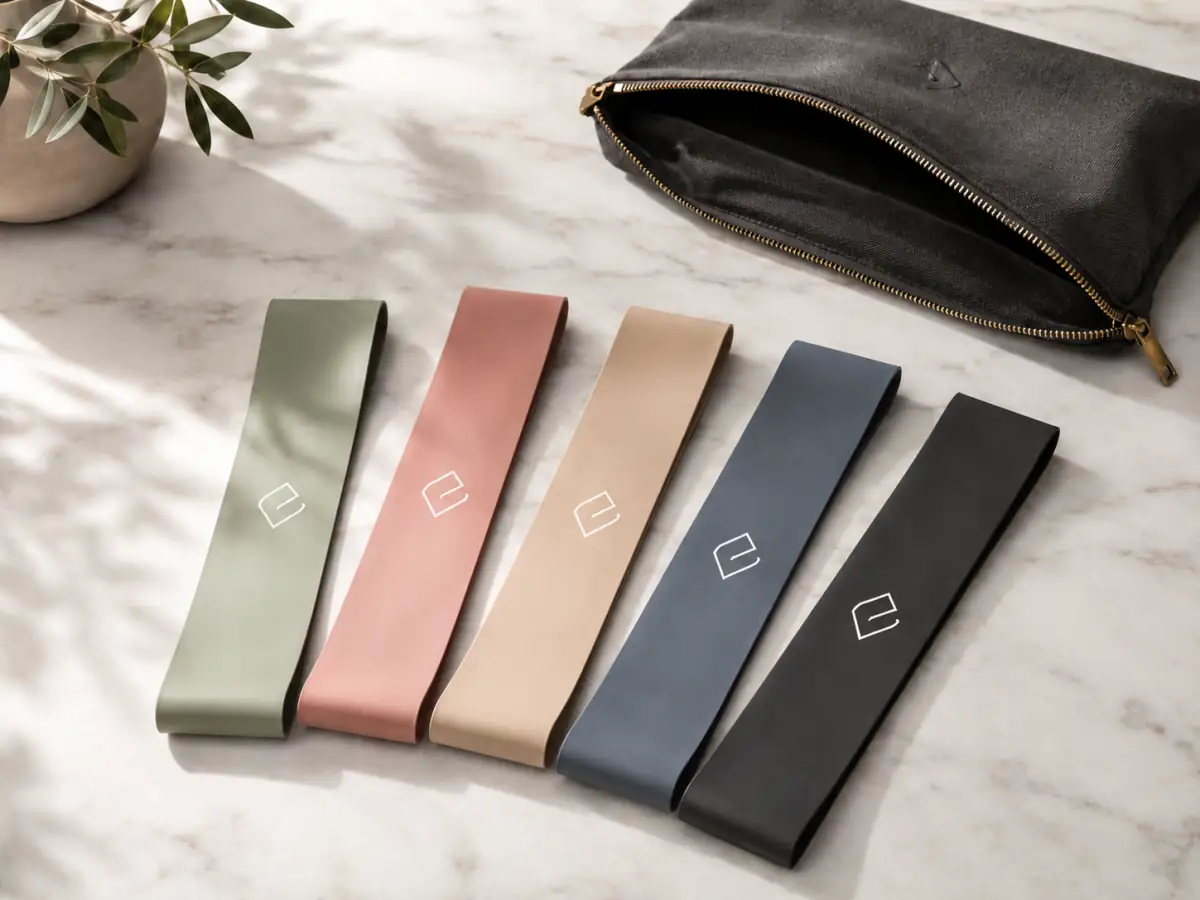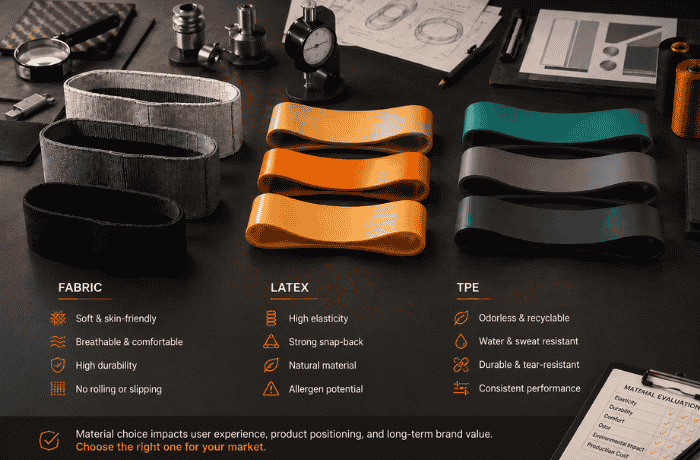
Latex delivers the highest elasticity and widest resistance range at the lowest cost. TPE is the latex-free alternative for allergy-sensitive markets with a cleaner EU compliance profile. Fabric bands command the highest retail price, the most customization options, and dominate the home fitness and glute-training segment. Choosing the wrong material means sourcing a product the market won’t pay for — or paying for compliance you don’t need.
Quick Summary
- Latex (natural rubber) is the workhorse of the resistance band category — best elasticity, widest resistance range, lowest FOB cost ($0.50–$3.00), and the most factory options globally. EU and some US markets require latex allergy labeling.
- TPE (thermoplastic elastomer) is the latex-free alternative — nearly equivalent performance, cleaner regulatory profile for EU allergy-sensitive buyers, slightly higher FOB cost ($0.70–$3.50), and growing fast as brands move away from natural rubber allergenic claims.
- Fabric bands (polyester or cotton shell with elastic core) retail at 2–4× the price of latex equivalents, do not roll or slide during exercise, and dominate the women’s home fitness and glute-training segment. FOB cost $1.50–$5.00.
- All three materials require CA65 / Prop 65 testing for US retail; latex specifically requires allergy warning labeling in the EU and several national markets.
- The decision is rarely latex vs. TPE vs. fabric — most scaling brands carry latex loops for the core workout customer and fabric bands for the home fitness and aesthetics-focused segment, sourced together from a single supplier.
Why Material Choice Drives More Than Product Performance
Resistance bands are the highest-unit-volume category in the home fitness accessories market. The global resistance band market was valued at over $1.2 billion in 2025, with continued growth driven by home gym adoption, physical therapy applications, and the sustained popularity of glute-focused training programs.
For B2B buyers, material selection affects five business variables beyond the obvious performance considerations:
1. Retail price ceiling. A set of 5 latex loop bands can credibly retail at $12–$28. A set of 3 fabric bands in a branded bag retails at $25–$55. These ceilings are set by market expectation, not material cost — and exceeding them requires exceptional brand equity.
2. Compliance cost and risk. Latex (natural rubber) requires allergy labeling in the EU. TPE requires REACH screening but carries no allergenic labeling requirement. Fabric bands carry the lowest chemical compliance risk but require flammability and textile labeling compliance.
3. Channel fit. Latex bands dominate the sports performance, physical therapy, and CrossFit/functional training channels. Fabric bands dominate women’s fitness, home workout programs, and influencer-driven DTC brands. TPE bands are positioned as the “clean” alternative across both.
4. Customization options. Latex and TPE bands offer color matching and logo printing but limited pattern customization. Fabric bands support sublimation printing, woven labels, embroidery, and pattern weaves — creating substantially more differentiation opportunity.
5. Product longevity. Latex bands degrade faster with UV exposure, ozone, and sweat. TPE is more UV and ozone stable. Fabric bands have the longest shelf life when stored correctly. These differences matter for retail return rates and brand reputation.
All Three Materials at a Glance
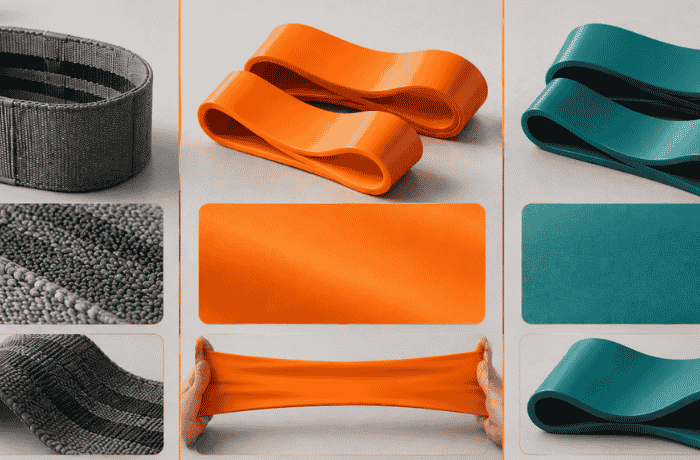
| Dimension | Latex (Natural Rubber) | TPE | Fabric |
|---|---|---|---|
| Base material | Natural rubber (latex) | Thermoplastic elastomer | Polyester/cotton shell + latex or elastic core |
| Forms available | Mini loop, long loop, tube, flat band | Mini loop, long loop, tube | Mini loop / hip band |
| Resistance range | Extra light → extra heavy (5–7 levels) | Extra light → extra heavy (5–6 levels) | Light → heavy (3–5 levels) |
| Elasticity | Excellent — highest snap-back | Very good — close to latex | Good — softer stretch feel |
| Grip / slip resistance | Low — can roll on skin | Low — can roll on skin | High — fabric grips skin, does not roll |
| Durability | Good — degrades with UV/ozone | Very good — UV and ozone stable | Excellent — fabric protects elastic core |
| Latex allergy risk | Yes — EU/UK requires labeling | None | Depends on inner core material |
| Color options | Full Pantone range | Full Pantone range | Pantone + print patterns |
| Customization | Color + logo print | Color + logo print | Color + sublimation print + woven label + embroidery |
| FOB cost (per unit) | $0.50–$3.00 | $0.70–$3.50 | $1.50–$5.00 |
| Typical retail price | $12–$28 (set of 5) | $15–$32 (set of 5) | $25–$55 (set of 3) |
| MOQ (OEM) | 500–1,000 units | 500–1,000 units | 300–500 units |
| Sample lead time | 5–10 working days | 5–10 working days | 5–10 working days |
Latex Resistance Bands: The Performance Standard
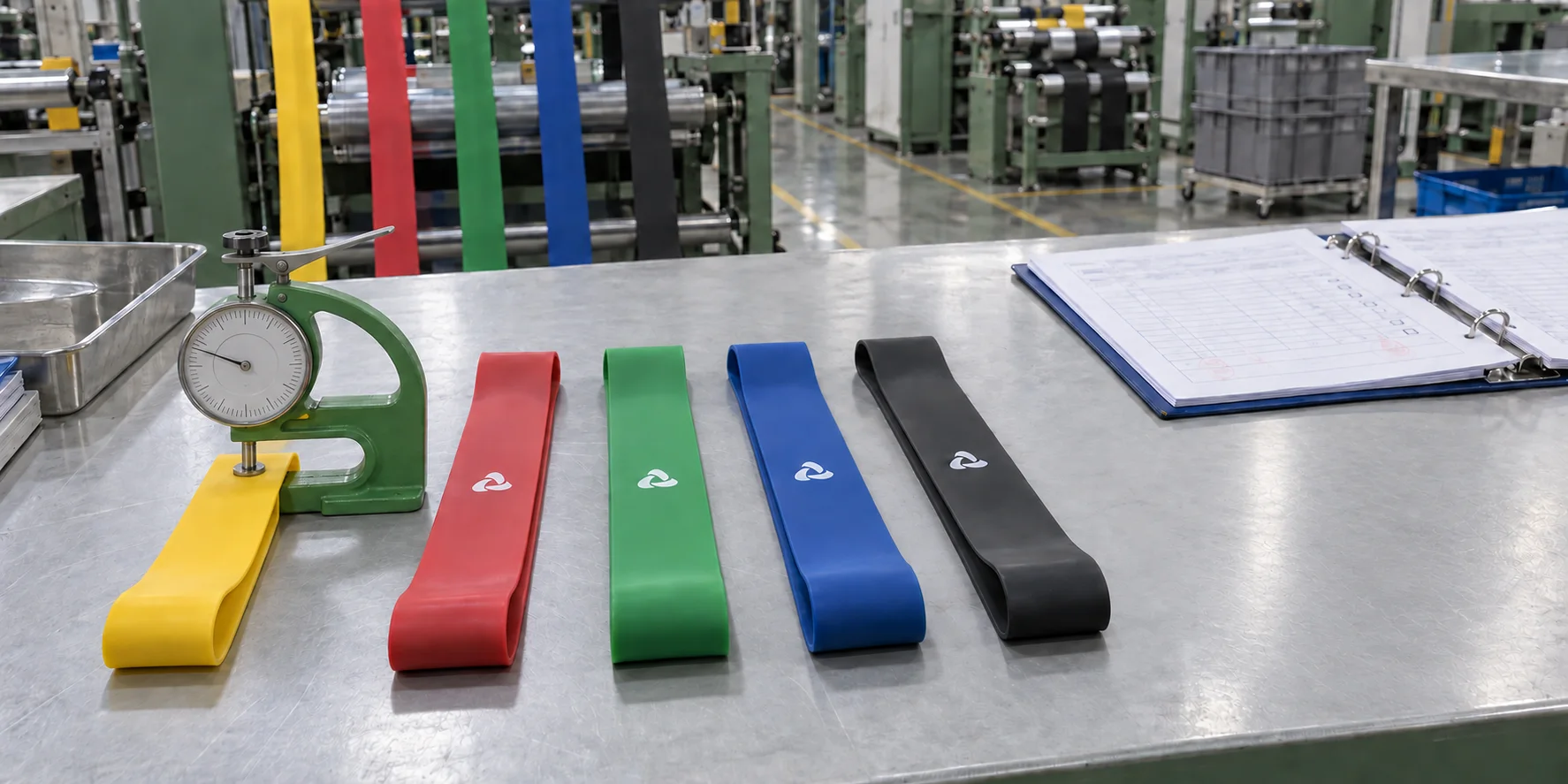
Latex resistance bands are made from natural rubber — vulcanized, formed into continuous loops or flat sheets, and cut or dip-formed to specification. They are the original resistance band material and remain the dominant choice for sports performance, rehabilitation, and professional training contexts.
What Latex Does Well
Elasticity and energy return. Natural rubber latex has the highest elastic energy storage and return of any resistance band material. This translates to the characteristic “snap” of a quality resistance band — consistent resistance throughout the movement curve, clean return, and no dead zone at the bottom of the stretch. For exercises that rely on resistance curve feel (banded squats, pull-apart drills, monster walks), latex outperforms TPE and fabric.
Resistance range. Latex can be formulated to cover the widest range of resistance levels — from extra-light (2–4 lbs) rehabilitation bands to extra-heavy (50–100+ lbs) powerlifting assistance bands — within a consistent production process. A single factory can cover all resistance levels in the same material, which simplifies OEM ordering for brands that want a complete set.
Cost efficiency at volume. At $0.50–$3.00 FOB per unit depending on size, form factor, and resistance level, latex is the most cost-effective material for brands building volume in the mid-market segment. A 5-band latex set at $1.80 average FOB supports a $22.99 retail price with workable margins even after Amazon fees.
Factory availability. Latex resistance band factories are the most numerous in the fitness accessories sector. This means more competitive pricing, more customization options, and more factory alternatives for quality assurance if a primary supplier underperforms.
Where Latex Falls Short
Latex allergy labeling. Natural rubber latex is a recognized allergen in the EU, UK, and several individual markets. Products containing natural rubber latex must carry a warning label — typically “Contains natural rubber latex which may cause allergic reactions” — on EU and UK retail packaging and in product listings. This requirement is non-negotiable and adds a compliance step that does not apply to TPE or fabric bands.
UV and ozone degradation. Natural rubber degrades faster than synthetic alternatives when exposed to UV light, ozone, and sweat. Bands stored near windows, used outdoors regularly, or exposed to high-sweat environments show surface cracking and reduced elasticity over time. This affects product return rates and customer satisfaction metrics more than the material spec sheet suggests.
Snap risk at high resistance. High-resistance latex bands that snap during use can cause injury. Some US retailers have specific requirements for resistance band breaking strength testing and warning label standards. This is manageable with proper QC and certification, but it is a product liability consideration that TPE and fabric bands, with their gentler failure modes, do not present to the same degree.
Skin rolling. Latex loop bands roll and bunch on the skin during lower-body exercises — a universal user complaint that fabric bands solve entirely. For brands targeting the glute and hip training segment, latex bands face a functional objection that is hard to overcome with marketing.
Who Latex Is Right For
- Performance sports brands (CrossFit, functional fitness, athletic training)
- Physical therapy and rehabilitation brands where resistance precision matters
- Brands building a complete resistance band set across all resistance levels
- Amazon FBA sellers competing in the $15–$28 set price range
- Brands where the primary distribution channel is sports specialty retail rather than lifestyle or beauty channels
TPE Resistance Bands: The Latex-Free Alternative
TPE (thermoplastic elastomer) resistance bands use the same processing methods as latex bands but substitute a synthetic elastomer compound for natural rubber. The result is a band that performs nearly identically to latex in most exercise contexts — without the allergenic protein that triggers latex sensitivity reactions.
What TPE Does Well
Latex allergy-free positioning. TPE contains no natural rubber proteins. EU and UK latex allergy labeling requirements do not apply, and the product can be marketed as “latex-free” — a significant commercial advantage in markets where latex sensitivity is a concern. For brands targeting the EU, healthcare/rehabilitation channels, or any customer segment with documented latex allergy prevalence, TPE is the correct specification.
REACH compliance. TPE bands have a cleaner chemical compliance profile than latex for EU market access. The absence of vulcanization agents (natural rubber processing chemicals that appear on REACH SVHC candidate lists) reduces the complexity of REACH SVHC screening. CA65 testing is still required for US retail — colorants and other additives can trigger Prop 65 thresholds — but the reformulation risk is lower.
Color vibrancy and stability. TPE accepts colorants more evenly than natural rubber and shows less color migration over the product life. For brands where colorway consistency and visual identity are central to the product — color-coded resistance levels, branded color sets — TPE produces more consistent results across production runs.
UV and ozone stability. TPE outperforms latex in degradation resistance when exposed to UV light and ozone. Products stored in retail environments with high UV exposure (window displays, outdoor retail) or used in outdoor training contexts show significantly better longevity than equivalent latex bands.
Where TPE Falls Short
Premium over latex. TPE compounds cost more than natural rubber at equivalent performance specifications. At $0.70–$3.50 FOB per unit, TPE carries a 15–20% cost premium over equivalent latex specifications. For brands competing on price in the value tier, this premium is a margin challenge.
Elasticity ceiling. At very high resistance levels (50 lbs+), TPE formulations begin to feel stiffer and less responsive than natural rubber. For powerlifting assistance and strength training applications requiring very heavy resistance, latex maintains a performance edge. This is rarely relevant for the home fitness segment but matters for professional training brands.
Fewer factory options. Latex band factories outnumber TPE-capable factories. This means slightly less competitive pricing and fewer alternatives for quality assurance compared to latex sourcing.
Who TPE Is Right For
- Brands targeting EU markets or healthcare channels where latex allergy labeling is a commercial barrier
- Brands positioning their resistance band line with “latex-free” as a feature claim
- Premium mid-market brands who want cleaner compliance documentation and better color consistency
- Physical therapy and clinical fitness equipment brands where patient safety documentation is required
Fabric Resistance Bands: The Home Fitness Premium
Fabric resistance bands — also called hip bands, booty bands, or loop bands — are a fundamentally different product from latex and TPE loop bands despite sharing the resistance band category. They consist of a woven polyester or cotton outer sleeve bonded to a latex or elastic inner loop, creating a band that does not slip, roll, or snap against skin during exercise.
Fabric bands became mainstream through the women’s home fitness and glute-training market circa 2018–2020, driven by social media fitness programs (workout challenges, influencer-led programs, YouTube fitness channels). They remain the highest-value per-unit product in the resistance band category for private label brands.
What Fabric Does Well
No-roll, no-slip function. The defining feature of fabric bands is that they stay where they are placed on the body. During hip thrusts, squats, clamshells, and lateral walks — the exercises that drive most resistance band use in the glute-training segment — latex and TPE bands roll into an uncomfortable rope. Fabric bands do not. This functional superiority in the most popular resistance band exercises is the entire category proposition.
Customization range. Fabric bands offer more customization than any other resistance band type: – Sublimation printing — photographic-quality patterns, gradients, and designs on the outer surface – Woven labels — brand logo woven into the band material, not stuck on – Embroidered branding — brand name or logo embroidered on the end tab – Custom pattern weaves — herringbone, honeycomb, ribbed textures that create tactile differentiation – Colorway coordination — matched to a yoga mat, workout apparel, or brand identity system
This customization depth makes fabric bands the best product in the resistance band category for building visual brand identity and product differentiation.
Retail price premium. A set of 3 fabric bands retails at $25–$55 versus $12–$28 for an equivalent set of 5 latex bands. The per-band retail price of fabric is 3–4× latex, while the per-band FOB cost is only 2× higher at equivalent resistance levels. This price premium without a proportional cost premium produces better absolute margins per unit for brands positioned above the value tier.
Durability and longevity. The outer fabric sleeve protects the elastic inner core from UV, sweat, and mechanical abrasion. Fabric bands last significantly longer than equivalent latex bands under regular use, which reduces return rates and improves customer satisfaction scores.
Where Fabric Falls Short
Resistance range limitation. Fabric bands typically cover light to heavy resistance (3–5 levels), not the extreme heavy resistance available in latex and TPE. The elastic core inside a fabric band is limited by the sleeve construction — achieving very high resistance levels without making the band uncomfortably stiff is a production challenge. For strength training and powerlifting applications requiring very heavy resistance, fabric bands are not the right product.
Higher FOB cost. At $1.50–$5.00 per unit, fabric bands have the highest FOB cost in the resistance band category. For brands targeting the value tier, this cost cannot be made to work at the expected retail price.
More complex quality control. Fabric band QC covers the inner elastic core (resistance consistency, elasticity) and the outer sleeve (seam strength, print quality, color fastness, no-pill performance). Two material systems in one product means two points of potential failure and a more complex pre-shipment inspection process.
Who Fabric Is Right For
- DTC brands in the women’s fitness, home workout, and glute training space
- Brands building visual product identity (colorway coordination with yoga mats, apparel)
- Influencer-backed brands or program-based products (workout challenges, coaching programs with gear bundles)
- Amazon FBA sellers competing above the $29.99 price point with product differentiation
- Brands where customer photography and unboxing experience are part of the value proposition
Certifications by Material
| Certification | Latex | TPE | Fabric |
|---|---|---|---|
| REACH SVHC (EU) | 🟡 Medium risk — rubber vulcanization agents in SVHC candidate list | 🟢 Low-medium — colorant/additive screening | 🟢 Low — textile, low chemical risk |
| CA65 / Prop 65 (US) | Required | Required | Required |
| CE General Product Safety (EU) | Required | Required | Required |
| UKCA (UK) | Required | Required | Required |
| Latex allergy label (EU/UK) | Required — must appear on packaging and listings | Not required | Depends on inner core — required if natural rubber inner |
| Flammability (UK/US textiles) | Not applicable | Not applicable | Required for fabric outer |
| OEKO-TEX STANDARD 100 | Available — relevant for latex bands marketed to sensitive-skin segment | Available | Available — particularly relevant for fabric outer certification |
| Breaking strength test (US) | Recommended — product liability risk for high-resistance snap | Recommended | Lower risk — fabric sleeve absorbs failure mode |
| BSCI Factory Audit | Required by most retailers | Required by most retailers | Required by most retailers |
The compliance key difference: Latex requires allergy labeling in EU/UK; fabric requires textile-specific compliance (flammability labeling, fiber content labeling) if sold as a textile product. TPE has the simplest compliance path of the three.
Choosing the Right Material for Your Resistance Band Line
| If your brand… | Recommended material |
|---|---|
| Is building a complete set across all resistance levels for sports performance | Latex — widest resistance range, most factory options, best per-unit economics |
| Is targeting EU markets or healthcare/rehab channels and wants to avoid latex labeling | TPE — latex-free claim, cleaner compliance, comparable performance |
| Is in the women’s home fitness or glute-training segment | Fabric — the market default; latex and TPE cannot compete on anti-slip function in this segment |
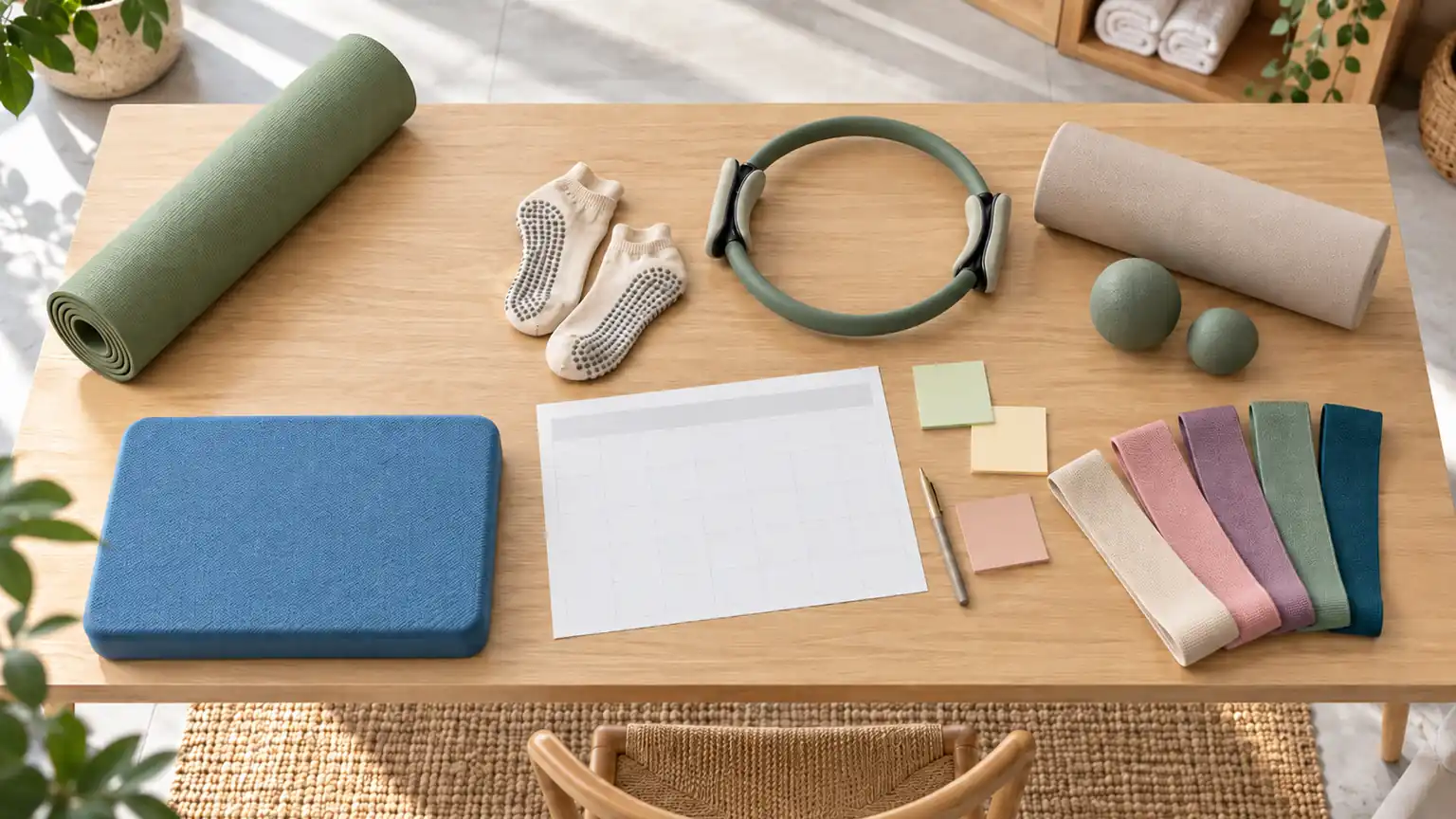
| Wants to build a coordinated product set (bands + mat + accessories) with unified visual identity | Fabric + Latex or TPE — fabric for hero band, latex/TPE for supporting SKUs |
| Is launching an influencer-backed brand or program with bundled gear | Fabric — best customization, best photography, highest perceived value |
| Is competing in the value tier ($12–$20 for a set) on Amazon | Latex — only material that works at this price with acceptable margins |
| Has documented customer latex allergy incidents or operates in a B2B channel with allergy policies | TPE — no natural rubber proteins, no allergenic labeling requirement |
Wellfitsource: Latex, TPE, and Fabric from One Facility
We manufacture all three resistance band materials from our Yangzhou, Jiangsu facility. For brands building a multi-SKU resistance band range — latex loop bands for performance, fabric hip bands for the glute-training market — single-supplier sourcing means one account manager, one QC standard, and one compliance audit process.
What we provide for resistance band OEM:
| Capability | Latex | TPE | Fabric |
|---|---|---|---|
| Color matching (Pantone) | ✅ | ✅ | ✅ |
| Logo printing | ✅ Screen print | ✅ Screen print | ✅ Sublimation / woven label / embroidery |
| Custom resistance levels | ✅ 3–7 levels | ✅ 3–6 levels | ✅ 3–5 levels |
| Custom dimensions | ✅ | ✅ | ✅ |
| Retail packaging (bag, box, card) | ✅ | ✅ | ✅ |
| Compliance docs (REACH, CA65, CE) | ✅ Pre-existing for standard specs | ✅ | ✅ |
| Bundle with other categories | ✅ Yoga mat + band sets | ✅ | ✅ |
SGS-certified BSCI audit and ISO 9001 quality management certification are both maintained at our facility — documentation available before sampling.
Sample lead time: 5–10 working days across all three materials.
Our resistance bands covers loop bands, tube bands with handles, and fabric hip bands with full OEM customization available. For brands sourcing a multi-product fitness set — yoga mats, resistance bands, and accessories — we can coordinate production and consolidate shipment as a single order.
Request samples or an OEM quote →
FAQ
Do fabric bands always contain latex in the inner core?
Not necessarily. Fabric bands are manufactured with either a natural rubber latex inner loop or a fully synthetic elastic core (TPE or spandex blends). For brands whose target market includes latex-sensitive customers — or who want to market the entire product as latex-free — a fabric band with a synthetic inner core is available. This requires specifying “latex-free inner” in your brief and confirming that the elastic compound used qualifies for a latex-free claim. We can produce both configurations; the inner material must be confirmed at the sampling stage because it affects the allergy labeling requirement.
What is the minimum order for custom-branded resistance bands?
MOQ for latex and TPE loop bands with custom color and logo print starts at 500–1,000 units per SKU. For fabric bands with custom sublimation printing, MOQ is 300–500 units. Bundle sets (e.g., 5-band latex set in a branded pouch) can be configured at 300–500 sets depending on packaging complexity. Samples are available before production commitment; sample lead time is 5–10 working days.
Do I need to do separate compliance testing for each resistance level?
For CA65 (Prop 65) testing, the test is conducted per material compound — not per resistance level. If all five resistance levels in your latex set use the same rubber compound (they usually do, differentiated only by thickness), one CA65 test covers all five. If different colorants are used across resistance levels, each unique colorant combination requires its own test. We can advise on how to structure your color/material brief to minimize testing cost while covering all required variants.
Which material has the lowest return rate for Amazon FBA?
Fabric bands consistently show lower return rates than latex or TPE in the women’s fitness segment, for two reasons: the anti-slip function eliminates the most common functional complaint (rolling), and the higher perceived value of a premium product reduces buyer regret returns. Latex bands have higher return rates in the glute-training segment specifically — not because latex is a poor product, but because customers buying for hip thrusts and squats experience the rolling issue and return the product. If your primary Amazon category is women’s fitness or booty/glute training, fabric is the lower-risk material for return management.
Can I source a matching yoga mat and resistance band set from one supplier?
Yes. Our facility manufactures both yoga mats and resistance bands — PVC, TPE, cork, and PU mats alongside latex, TPE, and fabric bands. For brands selling coordinated sets (mat + band bundle), we can produce both products in matched colorways, apply consistent branding, and pack them as a single retail bundle for Amazon FBA or DTC fulfillment. See our complete OEM fitness equipment manufacturing guide for more on the multi-product sourcing process.
Related reading: – Yoga Mat Materials Compared: TPE vs PU vs Cork vs PVC — same framework applied to the yoga mat category – The Complete OEM Fitness Equipment Manufacturing Guide — factory evaluation, certifications, and the 6-step OEM production process