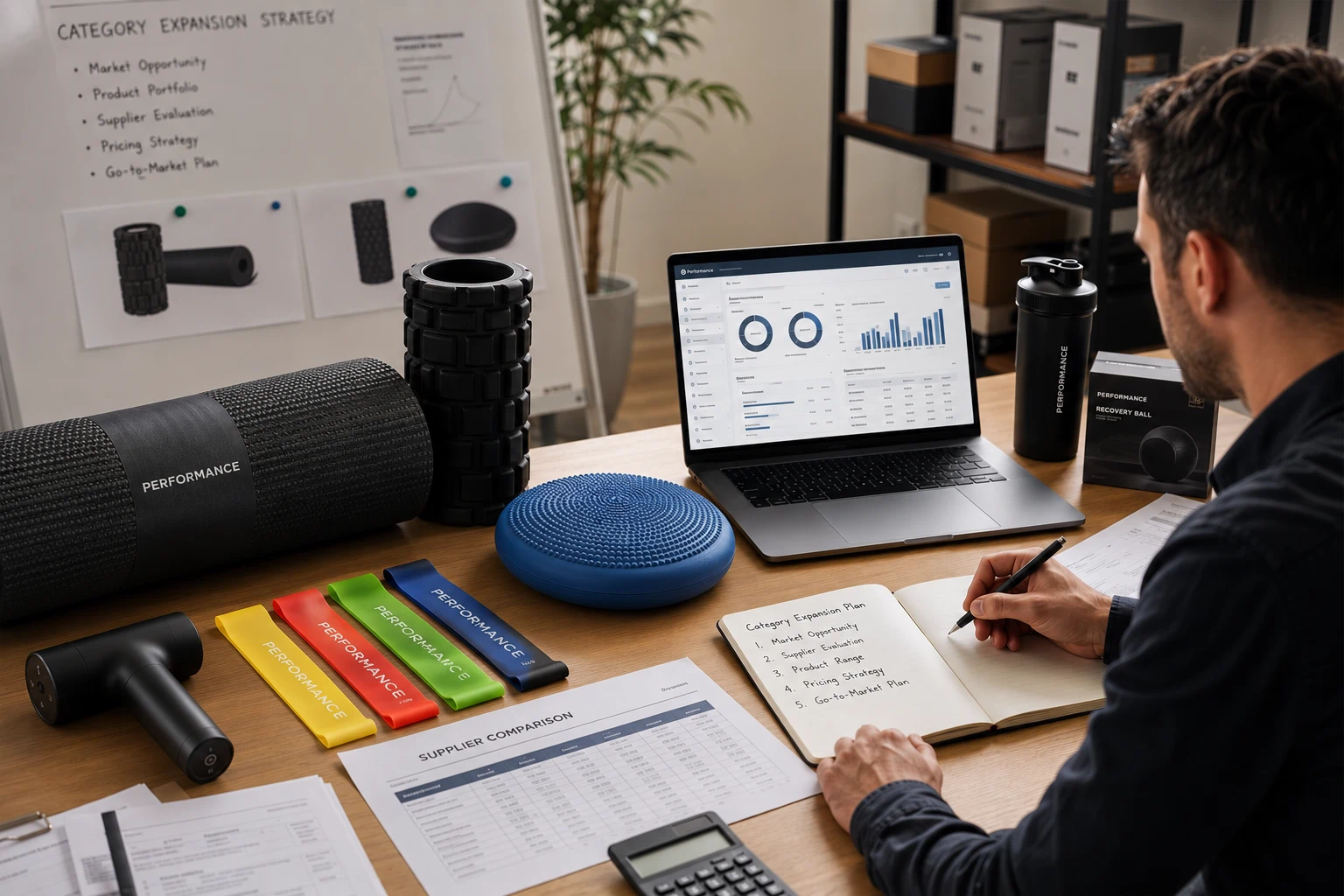
A product category can look exciting on a spreadsheet—and still become operationally exhausting in reality.
That’s why fitness product category expansion needs more than a demand forecast—it needs a reality check on execution.
A recovery tool might feel like a natural add-on next to a yoga mat. But once MOQ pressure, packaging friction, compliance documents, and quality expectations start stacking up, the decision can feel heavy fast.
If you’re already stretched thin managing a hero SKU, the wrong expansion doesn’t just miss revenue—it adds noise, complexity, and inventory risk.
Quick Answer (Commercial Investigation)
Fitness brands should evaluate new categories for fitness product category expansion through two filters—commercial fit and operational fit—because a category can raise AOV on paper but still become expensive catalog noise if MOQ, packaging, QC, or compliance adds more strain than the margin can absorb.
Buyer Snapshot
Who this applies to:
- Private label brand owners (Amazon, Shopify fitness brands, yoga/wellness startups)
- Importers and distributors coordinating multiple suppliers
- Product, merchandising, and sourcing managers building coherent assortments
What you’re trying to avoid:
- Expanding into an “adjacent” category that turns into ongoing friction: slow sampling, uneven QC, carton inefficiency, returns, and supplier sprawl.
Why Product Expansion Decisions Often Go Wrong
Category excitement can hide execution risk
Most category pitches start with the clean part: attach rate, AOV, and a slide that says “adjacent audience.” It looks like straightforward fitness product sourcing—until the first real production run.
The messy part arrives later: a packaging MOQ you didn’t budget for, a foam density that varies between batches, a labeling requirement for the EU, or cartons that waste cube and quietly eat your margin.
Adjacency is not the same as feasibility
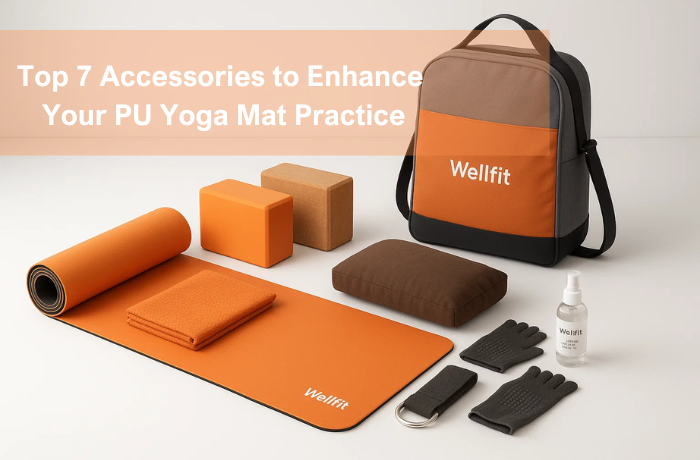
On the shelf, yoga mats and foam rollers look like close cousins. In sourcing, they can behave like different species.
Different materials, different tooling, different carton geometry, different cosmetic tolerances—each adds coordination overhead. That’s how a “simple” fitness product line expansion becomes a permanent tax on your team.
The First Filter: Commercial Fit
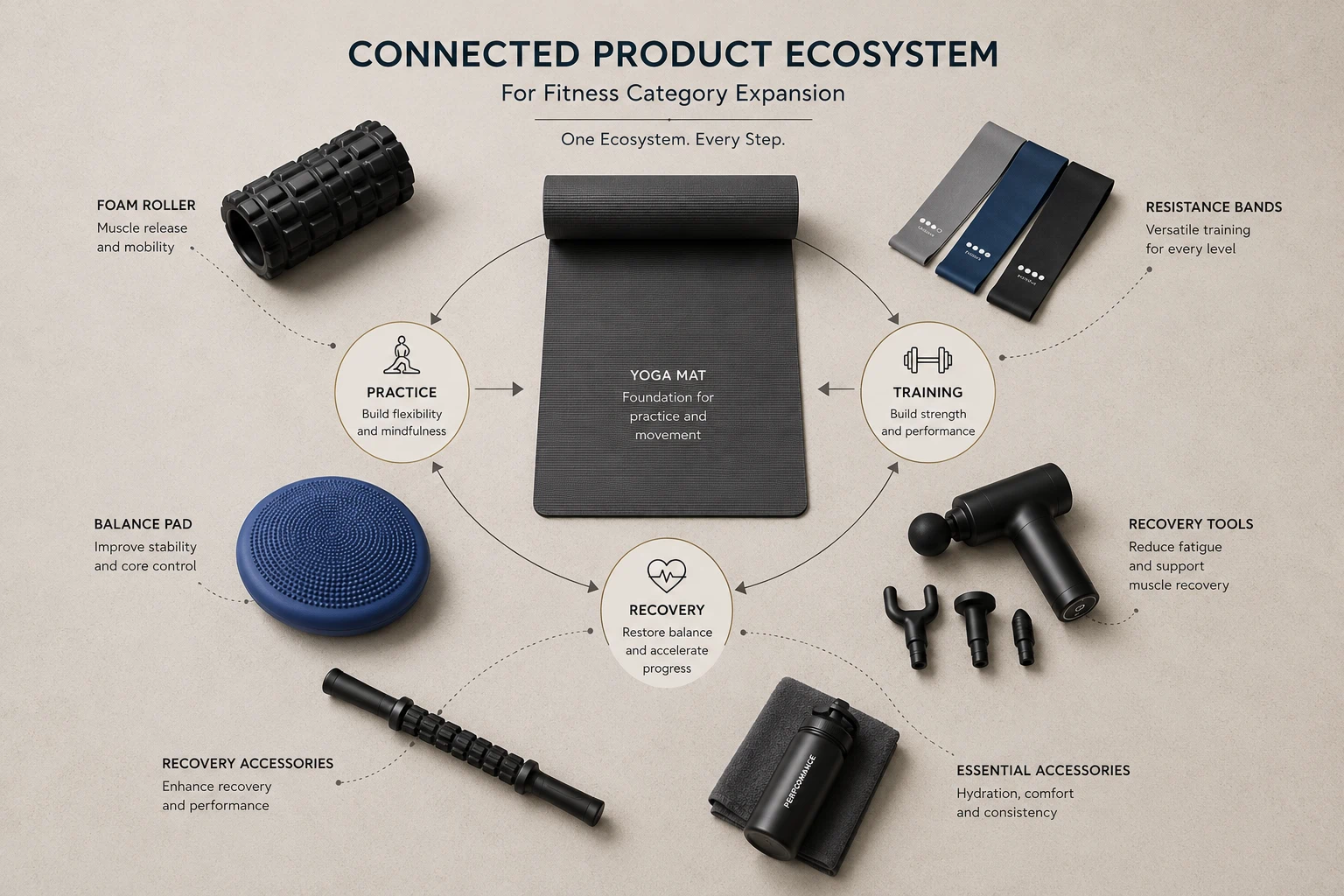
Commercial fit answers: Why should customers buy this from you, now, and again? In other words: does this move your fitness category strategy forward—or just make your catalog bigger?
1) Does this product solve the same user moment?
The fastest way to test adjacency is not “same customer.” It’s same routine.
Ask:
- Does it show up in the same training session?
- Does it solve the same pain point (warm-up, stability, recovery)?
- Does it match the same physical feeling your customers already seek—tight, stiff, sore, fatigue?
Example:
- A yoga mat pairs naturally with a recovery accessory if your buyer story is “practice → cool down → recover,” not “we need more SKUs.”
2) Will it increase basket size or repeat purchase potential?
For private label fitness products, the question isn’t “Can we sell it?” It’s:
- Will it increase basket size (attach rate)?
- Will it increase repeat purchase or subscription behavior?
- Will it reduce returns by making the buyer’s outcome more reliable (e.g., a starter set with a clear routine)?
Be honest about the difference between:
- bundle logic (supports a routine), and
- catalog stuffing (adds choices, not outcomes).
3) Does it strengthen or blur your positioning?
A new category should make your brand feel more coherent, not broader.
A quick positioning test:
- If a retail buyer looked at your assortment, would shelf adjacency make sense?
- Or would it feel like you’re drifting into “general fitness accessories” without a clear edge?
This is where merchandising managers often say the quiet part out loud: the category is only valuable if it makes the assortment simpler to buy, not harder.
The Second Filter: Operational Fit (Fitness Product Sourcing Reality)
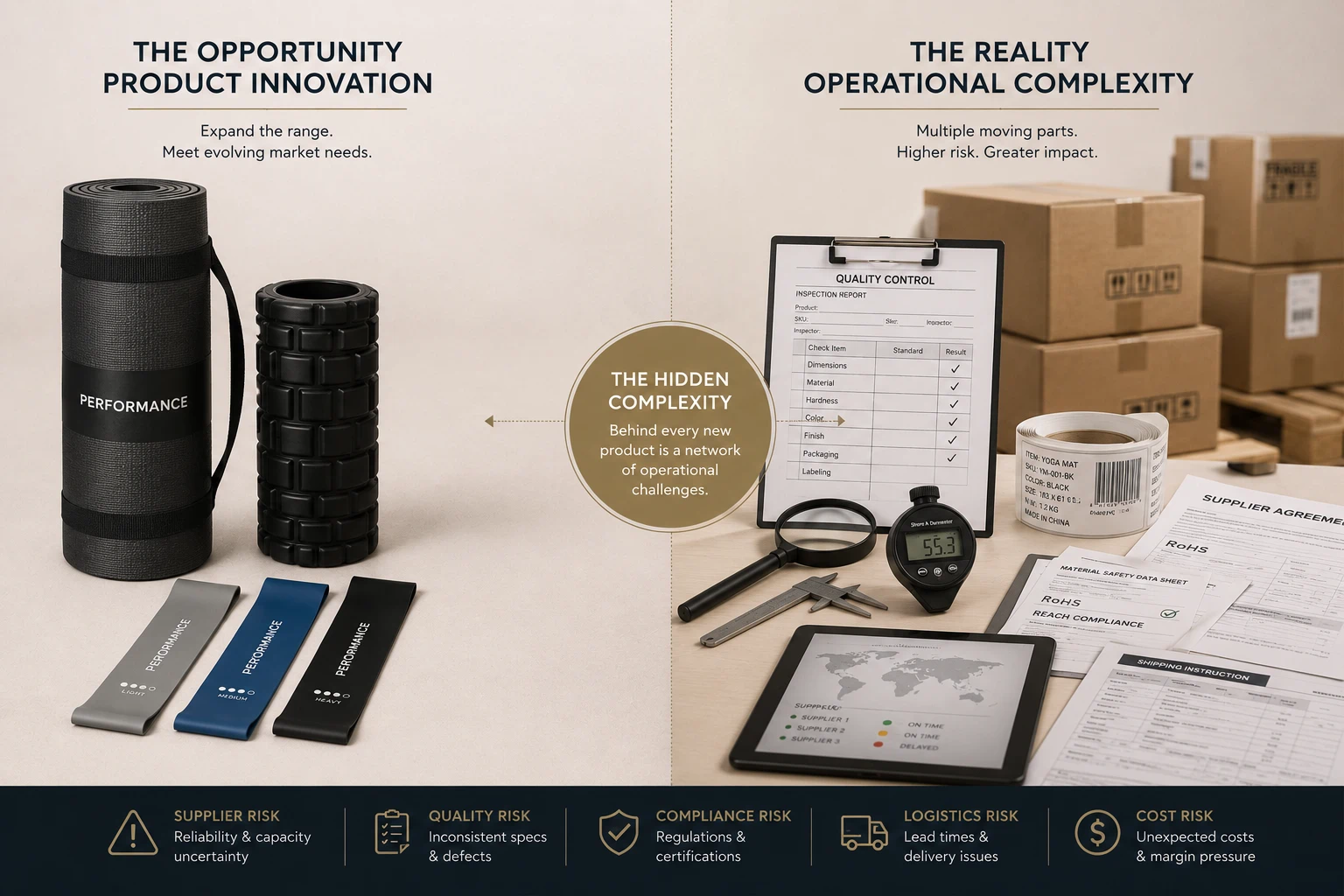
Operational fit answers: Can we source, launch, and scale this without breaking our team? This is where fitness product sourcing stops being a line item and starts becoming day-to-day friction.
1) MOQ compatibility (can you test without inventory pain?)
MOQ isn’t just a number. It’s a constraint that multiplies.
Ask:
- MOQ per SKU, per color, per resistance level, per packaging format?
- Can you split MOQ across variants—or does every variation restart the minimum?
- Does custom packaging introduce its own MOQ or lead-time bottleneck?
If your team is already under pressure, a category that forces you to buy “just to unlock pricing” can trap cash and attention.
⚠️ Warning: The most common expansion failure isn’t low demand. It’s an MOQ that forces you to scale before you’ve learned.
2) Material and production complexity (foam ≠ elastomer ≠ textile)
Adjacent categories often hide a material jump:
- Yoga mats may involve different material families and surface finishing.
- Foam rollers and foam balance pads can be sensitive to process consistency (feel, density, rebound).
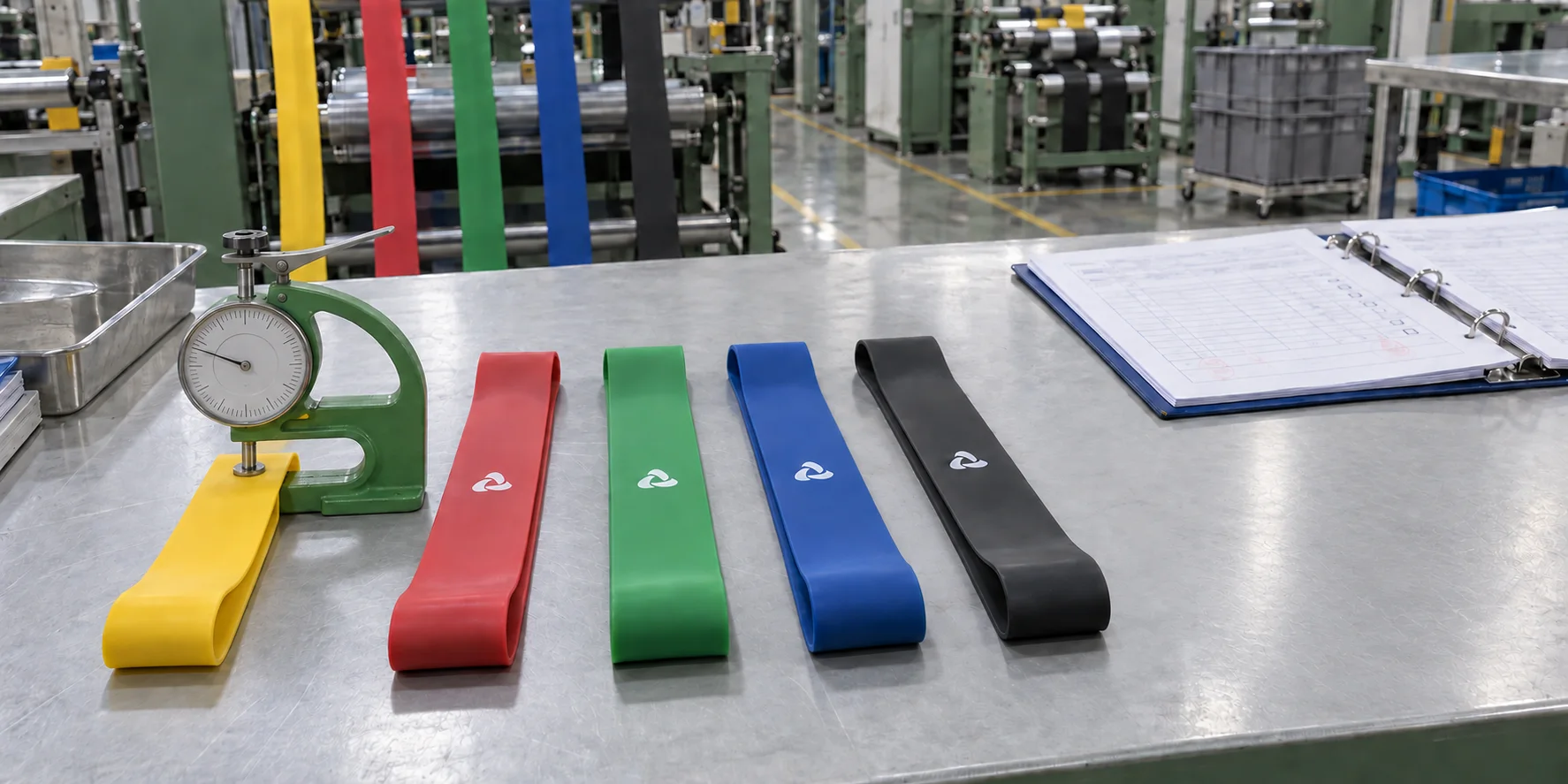
- Resistance bands bring different durability expectations and performance consistency.
When the material system changes, your QC checklist and supplier capability requirements change with it.
A practical question:
- Is this category compatible with your current sampling cadence and defect tolerance—or are you entering a new learning curve?
3) Packaging and shipping reality (deformation, damage, carton inefficiency)
Packaging isn’t decoration. It’s part of the product when you ship globally.
Operational questions buyers should ask early:
- Will compression create shape deformation (common risk for foam products)?
- Will the surface pick up scuffs/dirt in transit and trigger cosmetic complaints?
- Is the carton geometry efficient—or are you paying dimensional weight for air?
If the unit economics only work when everything ships perfectly, you’re not evaluating a product—you’re evaluating a fragile system.
4) QC expectations (cosmetic tolerance, functional defects, consistency risk)
Most teams underestimate how quickly “good enough” becomes “not acceptable” once a category scales.
Define QC in pass/fail terms:
- cosmetic tolerance (surface marks, color variance, logo placement)
- functional defects (tearing, snapping, delamination, density collapse)
- batch-to-batch consistency (feel, rebound, grip)
Without written specs, QC becomes reactive. That’s how return reasons start reading like a stress diary.
5) Compliance and documentation (EU/retailer readiness)
For EU importers and retail programs, the product itself may be simple—but the documentation expectations aren’t.
Questions to clarify before scaling:
- What documentation does your market expect (compliance statements, test reports, material declarations)?
- Are you planning to make claims (eco-friendly, non-toxic, latex-free)? If yes, what evidence supports them?
Here’s the trap: compliance risk often enters through marketing language, not manufacturing.
For a general feasibility framing that product teams use to avoid execution surprises, you can think in terms of viability vs feasibility (commercial vs operational).
A Practical Buyer Framework for Evaluating New Categories (Fitness Product Category Expansion Scorecard)
If you want a fast way to evaluate new product categories without turning it into a six-week project, use five questions.
1) Same user moment?
- Does it live in the same routine as your hero SKU?
- Can you explain the adjacency in one sentence without sounding like you’re forcing it?
2) Same brand logic?
- Does it reinforce what you already win on?
- Or does it require a new promise you can’t credibly own yet?
3) Same operational rhythm?
- Can your current supplier setup support the new material/production workflow?
- Will lead times, sampling cadence, and QC checkpoints stay manageable?
4) Safe MOQ for testing?
- Can you run a pilot without buying 12 months of inventory?
- Can packaging stay simple in the pilot phase?
5) Repeatable supply confidence?
- Can you get consistent batches, not just a perfect sample?
- Do you have clarity on QC specs, inspection points, and defect thresholds?
Buyer Evaluation Checklist (YES/NO)
- We can explain the adjacency as a routine, not a SKU list.
- The category improves AOV or attach rate without confusing positioning.
- MOQ allows a test batch without painful inventory exposure.
- Packaging holds up in transit and doesn’t destroy carton efficiency.
- QC is written in pass/fail specs (cosmetic + functional + consistency).
- Compliance documentation is clear for our target markets.
- Adding this category won’t create supplier sprawl we can’t manage.
When Buyers Should Start Small Instead of Scaling Fast
If you feel pressure to expand because growth is tightening, it’s tempting to move straight to scale.
But the categories that look “obviously adjacent” are often the ones that quietly punish you at volume—because you don’t discover packaging deformation, cube inefficiency, or batch drift until you ship real cartons.
A safer pattern:
- Pilot with one hero variant
- one size, one color, one resistance level
- minimal claims
- simplest viable packaging
- Measure what actually breaks
- return reasons (not just return rate)
- defect categories (cosmetic vs functional)
- landed cost volatility (freight + dimensional weight)
- Scale in controlled layers
- add variants only after repeatable QC
- upgrade packaging after transit learning
- consolidate suppliers only after performance is stable
Where WellfitSource Fits in Category Evaluation
At WellfitSource, we often see buyers assume product adjacency equals sourcing simplicity.
In reality, categories that feel commercially connected can behave very differently once production, compliance, and packaging requirements enter the picture.
If you’re evaluating connected categories across yoga, training, and recovery, it can help to sanity-check both sides of the equation—especially if you’re deciding whether to test or scale a recovery product sourcing program.
- Commercial adjacency: how the routine connects (mat → balance work → recovery)
- Operational feasibility: whether MOQ, packaging, QC, and documentation stay manageable
For reference points on connected assortments, these category pages show the typical extensions buyers explore:
- Yoga mats as the anchor SKU
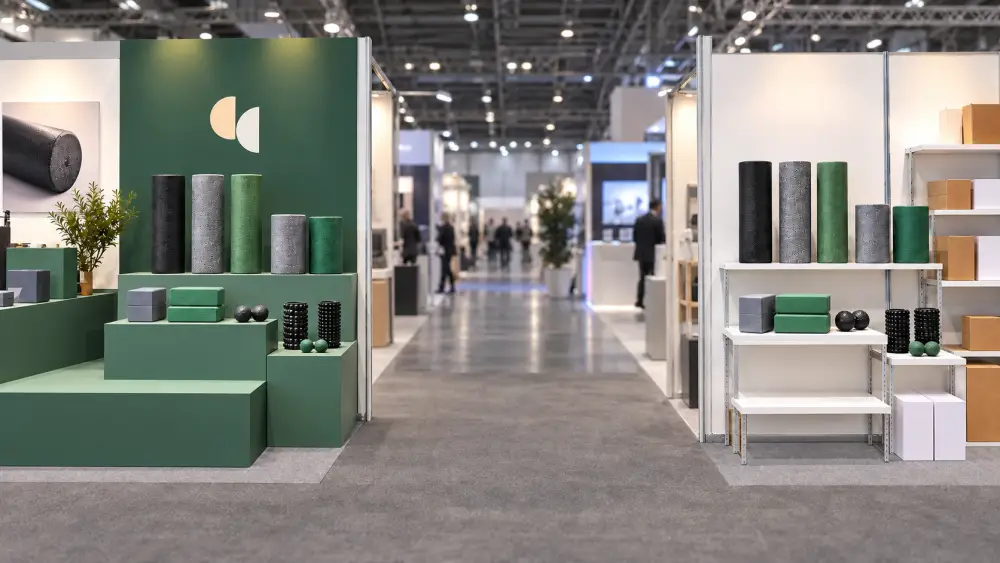
- Foam rollers and foam balance pads as foam-based training/recovery adjacent products
- Resistance bands as a compact, bundle-friendly training add-on
- Broader collections like training accessories, recovery accessories, and yoga accessories
And if you need background on how WellfitSource supports buyers (quality systems, OEM/ODM approach, and long-term partnership model), see About WellfitSource.
Key Takeaways
- Adjacency ≠ feasibility.
- Commercial fit matters (routine, AOV/attach rate, brand coherence).
- Operational fit matters (MOQ, packaging, QC, compliance).
- MOQ can kill expansion faster than demand.
- Testing reduces risk—and protects your team from ongoing friction.
FAQ
How do fitness brands decide whether a new product category is worth adding?
Start with commercial fit (same routine + clear basket/repeat upside), then validate operational fit (MOQ, packaging, QC, compliance). If either side fails, treat it as a pilot or a no-go.
What is the biggest sourcing risk in fitness product category expansion?
The biggest sourcing risk is scaling into inventory and complexity before you’ve validated consistency—especially when MOQ, packaging, and QC requirements multiply across variants.
Should brands test a category before scaling?
Yes. A controlled pilot (one hero variant, simple packaging, minimal claims) helps you learn what breaks—defects, damage, returns—before you expand SKUs and lock cash into inventory.
Is it better to source adjacent fitness products from one supplier?
Often, consolidation reduces coordination and QC overhead. But don’t force it: if the category requires different materials, machinery, or QC discipline, splitting suppliers can reduce risk.
What products naturally expand from yoga categories?
The cleanest expansions tend to follow a routine: yoga mats into balance/stability tools, compact training add-ons, and recovery accessories—when the brand story stays coherent and operational requirements stay manageable.
Related Reading
If you’re building a connected assortment (yoga → recovery), start here: From Yoga to Recovery: How Fitness Product Category Expansion Is Becoming Connected.
Next steps
Planning a category expansion? WellfitSource can help you pressure-test MOQ, packaging, QC risk, and category feasibility before any bulk commitment. To move fast, define:
- the category you want to add (e.g., foam recovery tool vs elastomer training accessory)
- target MOQ and number of variants
- packaging requirement (e-commerce vs retail-ready)
- your target market (EU/US) and any claims you plan to make
That info is usually enough to tell whether the category is ready to test—or likely to become operationally heavy—before you commit to the next fitness product category expansion move.