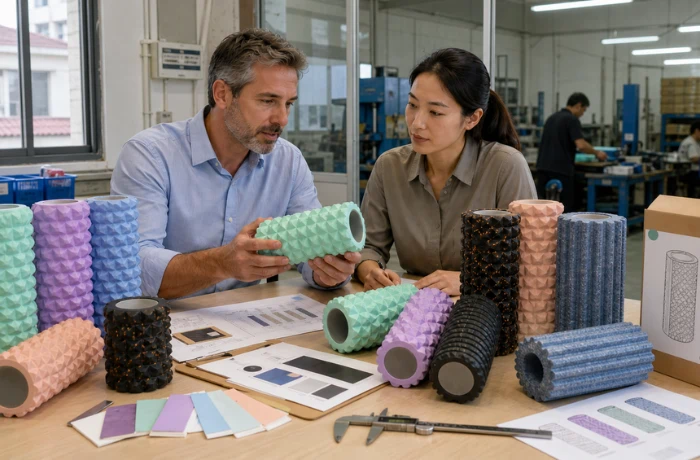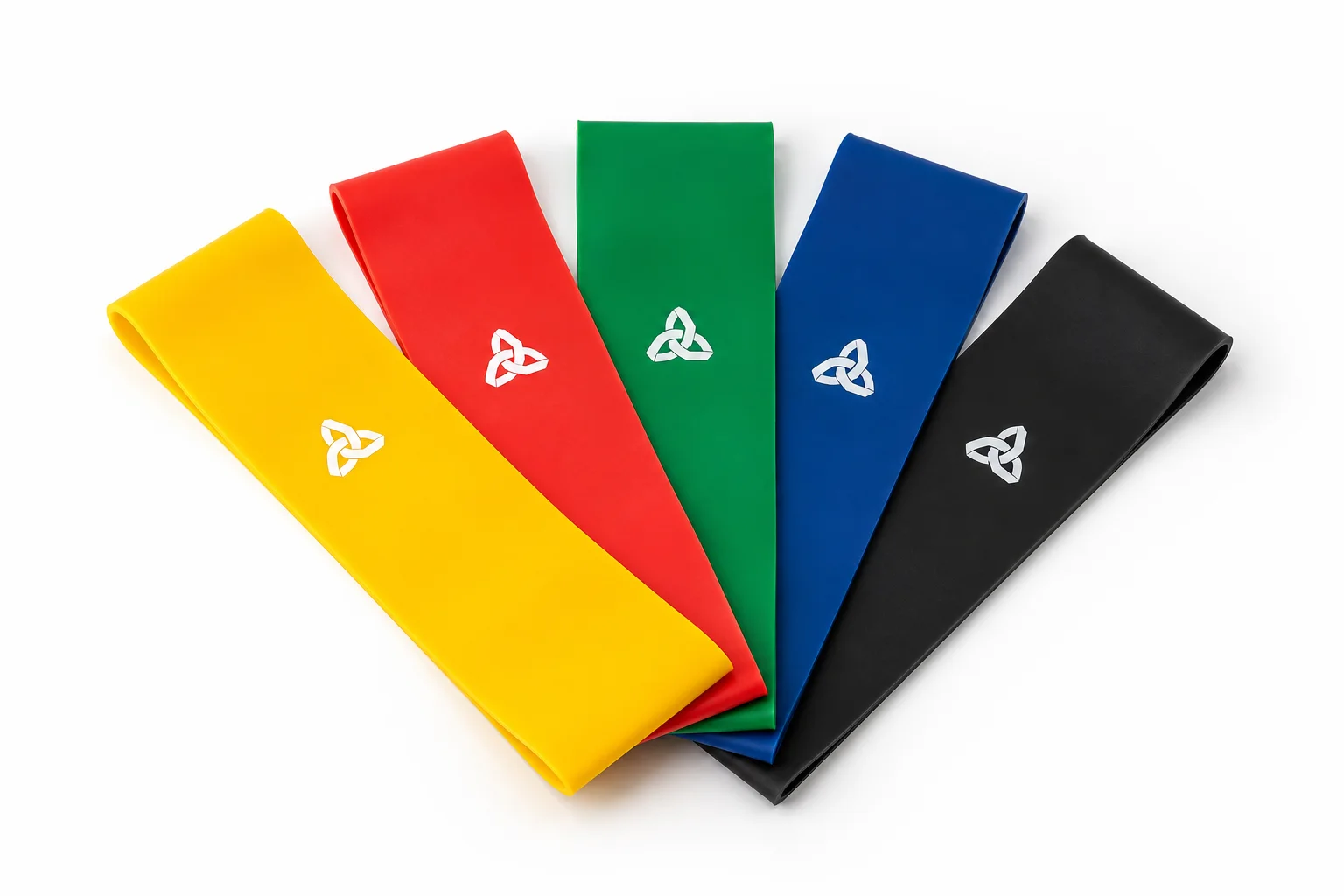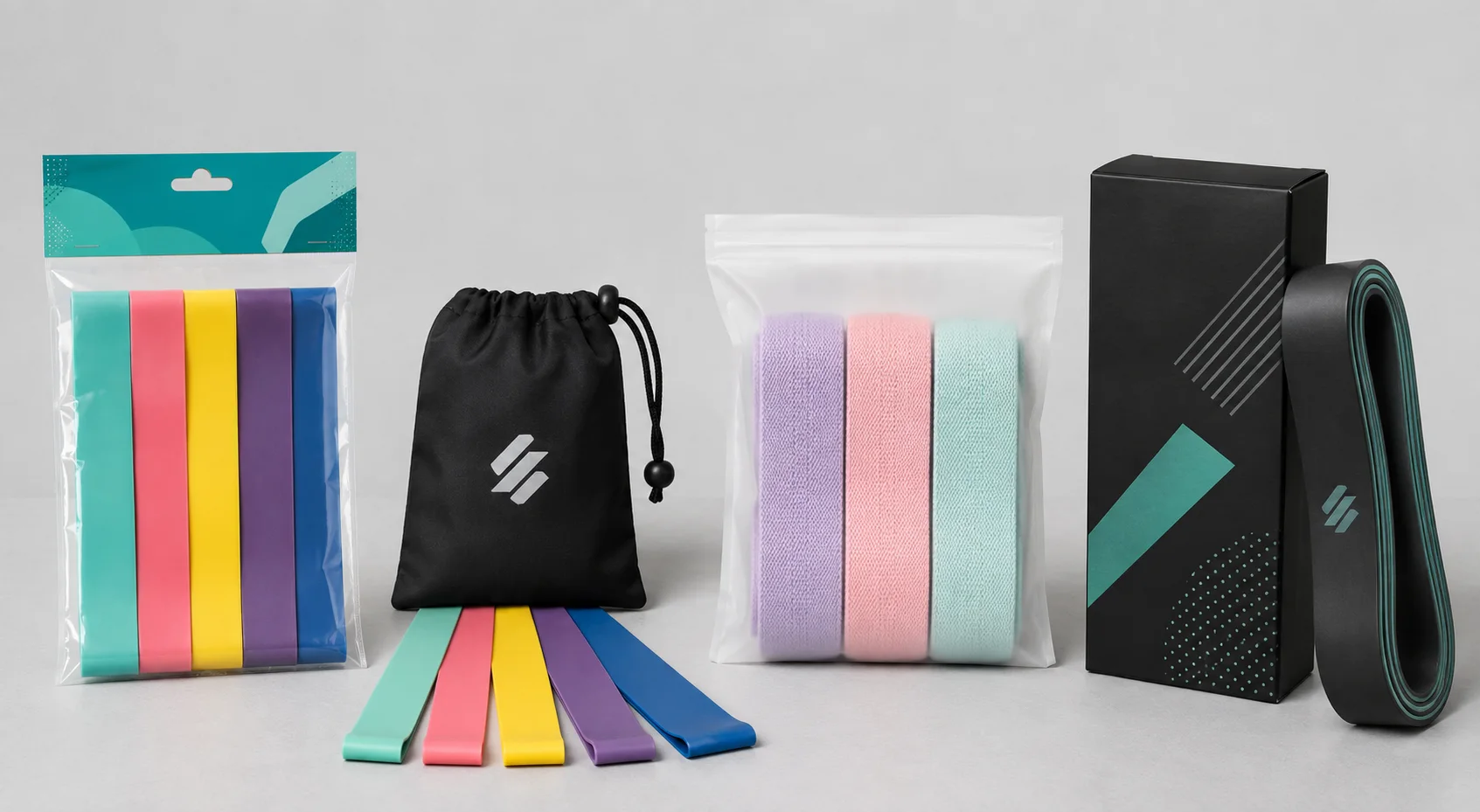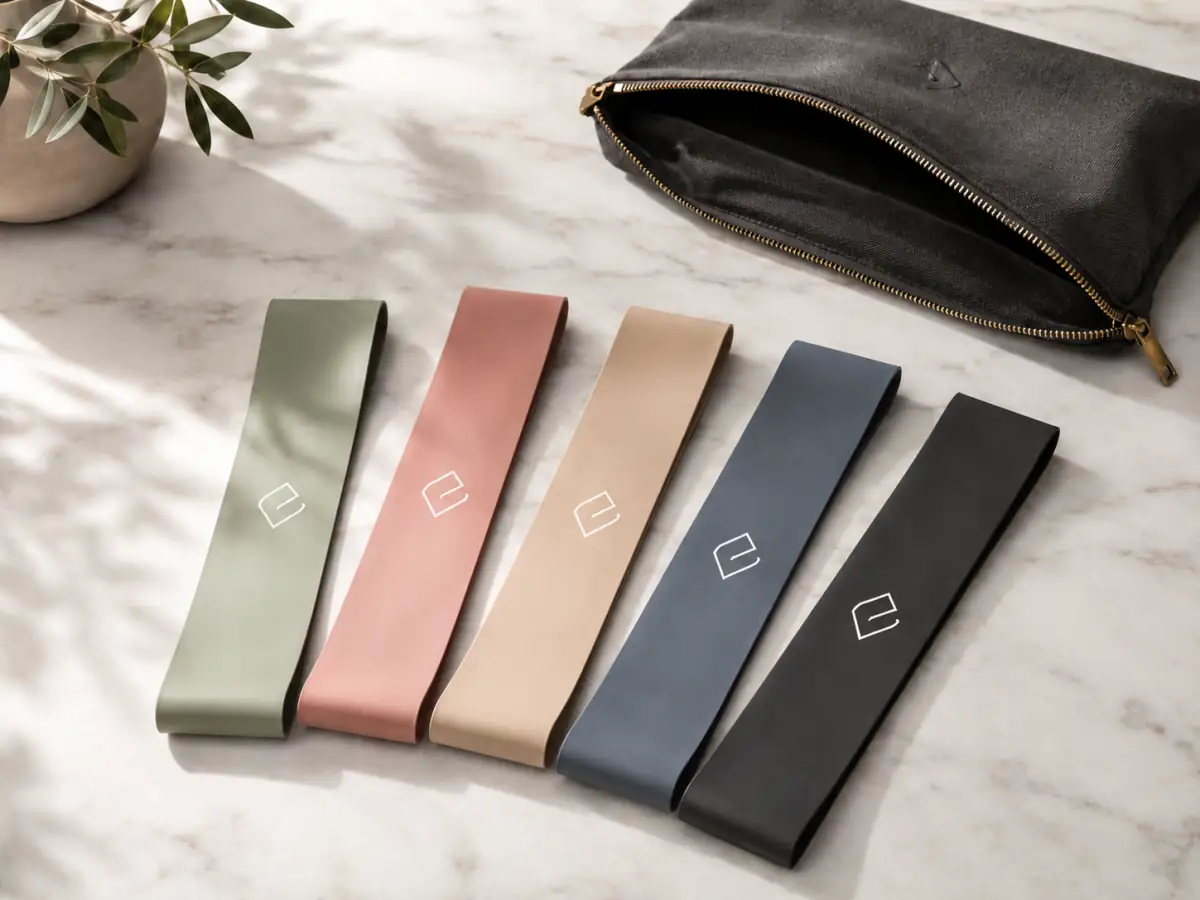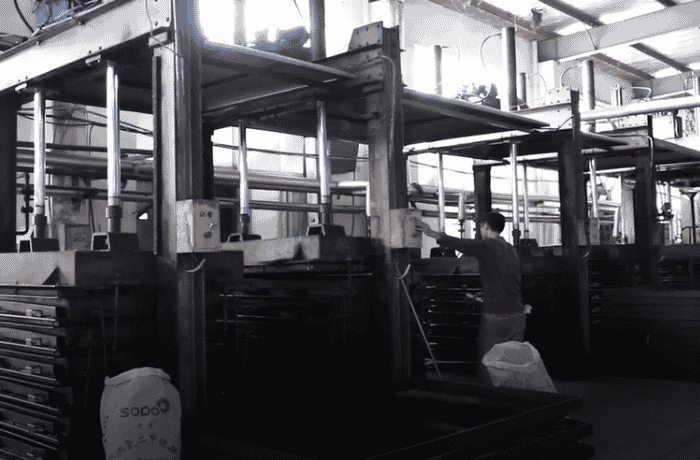
In China, paying a tooling fee does not make you the owner. Without a signed clause that names the mold, its serial number, and the factory’s obligation to release it on request, the mold stays at the factory — legally and physically. Brands have lost tooling to factory closures, price hostage situations, and competitor leakage. The fix is contractual, specific, and must happen before production starts.
Quick Summary
- A tooling fee receipt is not proof of ownership. Ownership is established only by a written clause in your OEM agreement — naming the mold, its serial number, and the release obligation.
- There are three ways brands lose tooling in China: factory closure, price hostage, and unauthorized reuse for a competitor’s order.
- Every mold you commission should have a client-specific serial number physically engraved on it — visible in a photograph you take before the first production run.
- Your contract must include: ownership declaration, mold description, storage terms, a release timeline (typically 5–10 business days on written request), and a non-reproduction clause.
- Proper tooling ownership makes switching factories a logistics operation, not a legal dispute. Without it, switching factories means starting over.
The Moment You Realize You Don’t Own What You Paid For
It usually starts with a product listing.
You’re scrolling through Amazon one evening — not even looking for anything specific — and something stops you. The shape of a foam roller end-cap. The specific curve of a yoga block corner. The exact colorway on a resistance band set. You’ve stared at that design for months. You approved that radius in a sample review email at 11 p.m. on a Tuesday.
It’s your product. But the seller isn’t you.
Some brands discover this six months after launch. Some find out when their own sales start dropping and a competitor’s nearly identical product is sitting at a lower price point with 300 reviews. A few find out only when they try to move factories and the new supplier asks: “Can you send us the mold?” And you have to make a call you were hoping you’d never have to make — back to the original factory, to ask for something you thought you already owned.
That call, in many cases, does not go the way you want it to.
What Tooling Actually Is
Before the contracts and the clauses, it helps to understand what you’re dealing with physically.
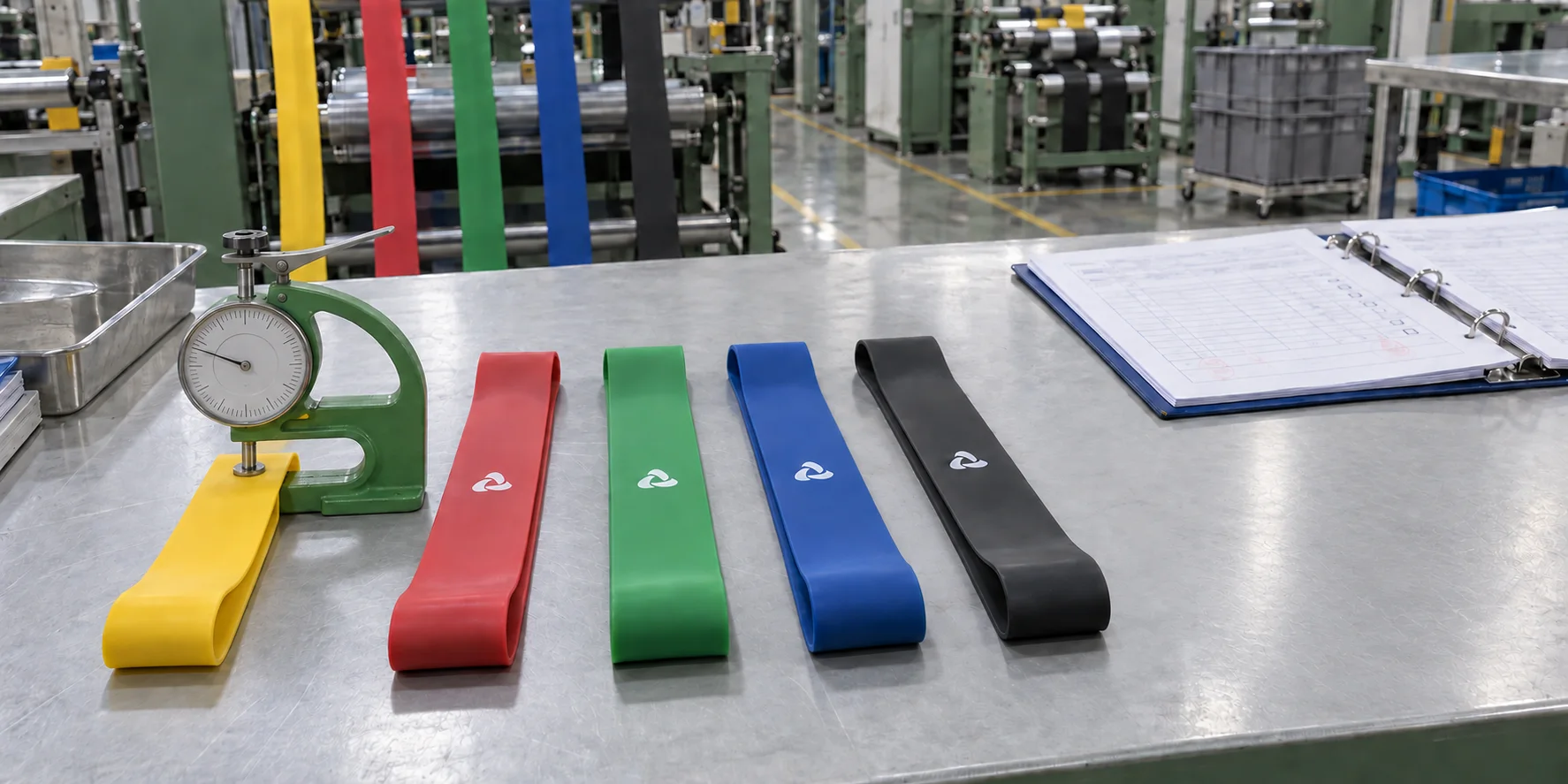
A mold — or die, depending on the product — is a precision-machined steel tool that gives your product its shape. When your foam roller has a specific end-cap profile, that profile was cut into a steel cavity. When your yoga block has a logo recess, a punch was made for it. When your resistance band has a specific buckle geometry, a die was pressed.
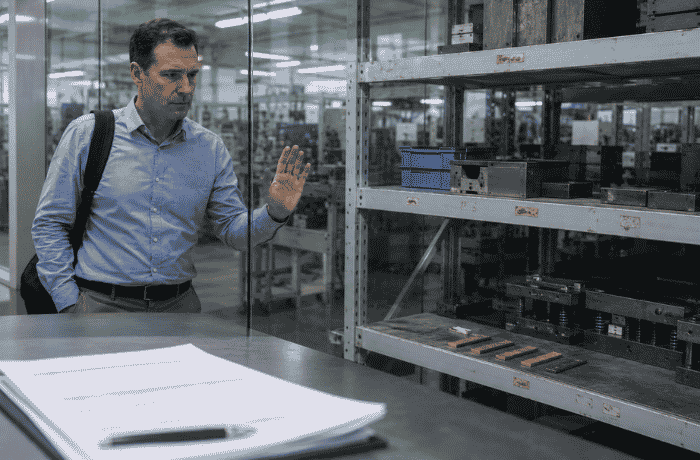
These tools are heavy. A mid-size mold for a foam roller end-cap weighs 20 to 80 kilograms. It sits on a shelf in a factory tool room — usually in a climate-controlled area to prevent rust — alongside dozens or hundreds of other molds belonging to other clients. It doesn’t have your name on it unless you put it there. It doesn’t have a lock on it. It doesn’t have a sensor that tells you when it’s being used.
When you pay a tooling fee — typically $500 to $4,000 depending on complexity — you feel like you’ve bought something solid. The weight of the invoice suggests ownership. The line item on the quote that says “Tooling: $1,200” reads like a purchase.
But unless your contract says otherwise, what you’ve bought is the right to use that mold for your orders. The factory retains physical possession. And physical possession, when it comes to disputes, counts for more than you’d expect.
Who Owns the Mold by Default
China’s contract law does not automatically transfer tooling ownership to the party that pays the tooling fee. Ownership defaults to whatever the written agreement says — and if the written agreement doesn’t address tooling ownership explicitly, courts have generally interpreted physical possession as evidence of ownership.
This is not a legal loophole that factories exploit. It’s simply the consequence of not specifying.
Most OEM factories — particularly mid-size ones working with early-stage private label brands — use contract templates that focus on product specifications, price, payment terms, and delivery. Tooling ownership, storage conditions, and release obligations are often absent entirely. Not because the factory intends to steal your mold. Because nobody asked.
The brands that get hurt are the ones who assumed the tooling fee receipt was enough. It isn’t. Not in a dispute. Not in a bankruptcy proceeding. Not when you’re standing outside a closed factory in an industrial park trying to explain to a liquidator that the mold on shelf 7 of tool room B belongs to you.
The Three Ways Brands Lose Their Tooling
1. Factory Closure
Factories close. It happens more than the industry acknowledges publicly — particularly in the mid-size segment, where thin margins and concentrated customer bases make operations fragile. When a factory closes, its assets — including tooling on the premises — enter a liquidation process. Creditors are ranked. Banks come first. Tax authorities come next. Foreign clients with no registered Chinese legal entity and no ownership documentation are not high on the list.
If your mold is in that tool room when the padlock goes on, recovery is possible but slow, expensive, and not guaranteed. The process involves engaging a Chinese legal representative, filing a creditor claim, and waiting for the liquidation proceeding to run its course — which can take 12 to 24 months.
Meanwhile, your product is frozen. Your supplier relationship is gone. And whatever production lead time you had planned has collapsed into a hard restart.
2. Price Hostage
This is the pattern that catches the most brands off guard, because it doesn’t announce itself as a threat.
You’ve been working with a factory for two or three years. Things have been fine. Then you get a message — usually around the time you’re about to place your largest order of the year — that costs have gone up. The new per-unit price is 15 to 20 percent higher. You push back. The conversation goes quiet for a few days. Then comes the secondary message: if you want to take your tooling and move to another factory, they’ll need 90 days’ notice, and they can’t confirm the mold condition until a full inspection is completed.
You feel the edges of that situation close around you. Your Q4 window is 14 weeks away. A new factory needs 6 to 8 weeks just for sampling. You don’t have 90 days. You don’t have any days.
So you pay the higher price. Because you don’t have a contract that specifies a release timeline. Because the mold is physically at their facility. Because the leverage, in that moment, is entirely theirs.
3. Unauthorized Reuse
The quietest version of tooling loss doesn’t involve confrontation at all. You never find out through a legal dispute or a angry negotiation. You find out through the Amazon listing.
ODM factories — those that design products for multiple clients — often hold molds for catalog shapes that they consider theirs to license. But OEM factories, where you’ve commissioned custom work, sometimes run the same mold for a second client when they believe you won’t notice. Small geometric variations. A different color. A slightly adjusted logo placement. The factory justifies this internally as serving a “different market segment.”
Without a non-reproduction clause in your contract, proving unauthorized reuse is difficult. Without a serial number on the mold and production run records, tracing which run used which tool is nearly impossible. The competitor’s product keeps selling. You’re left with a suspicion and no mechanism for enforcement.
What a Proper Tooling Agreement Must Contain
The good news: fixing this is not complicated. It’s paperwork. Specific paperwork, signed before the tooling fee is paid.
Here is what every OEM tooling agreement for fitness equipment should include:
1. Ownership declaration
A plain statement: “Client [Company Name] owns 100% of the tooling described below upon receipt of the tooling fee specified in this agreement.” Not “has the right to use.” Owns.
2. Physical mold description
Document the mold with specificity: dimensions, cavity count, base material (typically P20 or H13 steel), and the product it produces. Vague contracts create vague disputes.
3. Client-specific serial number
The mold must carry a serial number assigned by you, not the factory’s internal numbering system. Format example: WFS-CLIENT-2026-FR-001 (your supplier prefix + client code + year + product code + sequence). This number is engraved on the mold — not tagged, not labelled with tape — before the first production run.
Photograph the engraving. Keep that photograph. It is your most important evidence if anything goes wrong.
4. Non-reproduction clause
“Factory agrees not to use Client’s tooling for any product order from any third party, with or without modification.” This clause should also prohibit the factory from manufacturing dimensionally identical or substantially similar products using alternative tooling without Client’s written consent.
5. Storage and maintenance terms
Specify: temperature-controlled dry storage, anti-rust treatment schedule (typically every 6 months for steel molds), and a requirement to notify you immediately if the mold is damaged or requires repair. Include the physical location: building, room, shelf section. This sounds excessive until the factory moves facilities and nobody told you.
6. Release obligation and timeline
“Factory agrees to release Client’s tooling within [5–10] business days of receiving written release notice, in the same or better condition as documented at time of commission, at Client’s shipping cost.” Five to ten business days is standard and reasonable. Anything longer should be negotiated down before you sign.
7. Condition documentation
Before production starts, create a joint record — photographs, weight, cavity condition — signed by both parties. This becomes the baseline for assessing condition upon release.
The Serial Number Rule: Small Detail, Large Consequence
Of everything in a tooling agreement, the serial number clause is the one most brands skip. It feels administrative. It is, in fact, the clause that determines whether your ownership is provable.
Here is how it works in practice.
Without a serial number: you have a contract that says you own a mold. The factory has a tool room with 200 molds. Your mold looks like 15 others of similar category. In a dispute — or a recovery attempt from a closed factory — you must prove which one is yours. You cannot.
With a serial number: you have a contract that references WFS-CLIENT-2026-FR-001. You have a photograph of that number engraved near the sprue. You have a receipt with that number on the line item. When the liquidator opens the tool room, you point to shelf 7. The mold comes out. Your number is right there, cut into the steel. The conversation is short.
One engraving. One photograph. That’s the delta between a recoverable situation and an unrecoverable one.
What “Doing It Right” Looks Like When You Move Factories
There will come a point — for most scaling brands — when you move factories. Costs shift. Quality drifts. Capacity becomes constrained. A better supplier emerges. This is normal business. It should be a logistics operation, not a legal event.
When your tooling agreement is properly structured, here is what moving looks like.
You send the written release notice. The factory acknowledges within the agreed window. A freight company — your choice — is scheduled for pickup. On the day, a team arrives at the factory. The mold comes off the shelf — heavy, steel, surface worn from production cycles, your serial number still clear near the sprue. They photograph the condition. They load it. The factory signs the release receipt.
The mold goes to your new factory. Sampling starts within days. Production follows. Your product does not skip a season.
Now consider what moving looks like without that agreement. The conversation starts with “we need to discuss this.” Weeks pass. Lawyers get involved — or the threat of them. You miss a production window. You consider starting over with new tooling at the new factory, which costs another $1,200 and another 8 weeks. The mold you paid for sits at the old factory while you eat the sunk cost.
Both of these scenarios start with the same tooling fee invoice. They diverge at the contract signing.
What to Insist on Before Any Tooling Fee Is Paid
A practical sequence for brands commissioning OEM tooling:
Before payment: – Confirm the tooling agreement exists as a separate document or clearly delineated section of your OEM contract — not buried in a purchase order – Assign your serial number and provide it to the factory in writing for engraving – Confirm the release timeline is specified (5–10 business days) and the non-reproduction clause is present
At tooling completion (before first production run): – Request photographs of the completed mold showing the engraved serial number – Request a joint condition record signed by the factory QC lead – File these documents alongside your tooling agreement — not in an email thread
Ongoing: – Request annual confirmation that the mold remains in storage and in documented condition – If the factory changes facilities, require written notification and confirmation of the mold’s new storage location
None of this is adversarial. Professional factories expect these requests. The factories that push back on a serial number clause or resist documenting mold condition are giving you information worth having before you’ve committed.
How Wellfitsource Handles Tooling Ownership
We manufacture yoga mats, foam rollers, resistance bands, and fitness accessories for 820+ B2B buyers globally. Tooling ownership disputes are not hypothetical for us — we’ve seen what happens to brands that source from factories that don’t handle this correctly, and we’ve built our process specifically to prevent it.
For every client-commissioned mold at our Yangzhou, Jiangsu facility:
- Client-specific serial number is engraved before the first production run, and photographs are shared with the client before sampling begins
- Ownership clause is standard in our OEM agreements — not optional, not negotiated away
- Mold storage is in a designated, climate-controlled tool room with a maintenance log accessible upon request
- Release obligation is 7 business days from written notice, at client’s shipping cost — specified in the agreement before tooling fee is invoiced
- Non-reproduction clause is included as standard — your mold produces your product only
We also hold a current SGS-certified BSCI audit and ISO 9001 quality management certification — both of which cover our tooling and production records as part of the audit scope.
If you’re evaluating suppliers for an OEM fitness product and want to review how we document tooling ownership before placing a tooling fee, we’re glad to share our standard agreement structure.
Start a tooling conversation →
FAQ
If I’ve already paid a tooling fee without a proper agreement, what can I do?
Act before you need to. Request a supplemental tooling ownership addendum — a short document that specifies the mold, assigns a serial number retroactively, and establishes the release obligation. Many factories will sign this without significant resistance because it costs them nothing while the relationship is functional. Get the serial number engraved and photographed. Do not wait until you’re trying to move factories to discover whether the original contract supports you.
What if my factory refuses to include a tooling ownership clause?
A factory that refuses to document your ownership of tooling you paid for is telling you something important. The most common reason is that they intend to keep the option of reusing the mold open. Occasionally it’s unfamiliarity with the clause — in which case providing a standard template resolves it. If the refusal persists after you’ve provided a standard clause and explained the request, the appropriate response is to source your tooling elsewhere. The risk is not hypothetical.
Does the tooling ownership clause apply to artwork and design files, too?
Tooling ownership covers physical molds and dies. Your artwork — design files, colorway specifications, print-ready assets — requires a separate NDA or IP ownership clause. Both should be in your OEM agreement. The artwork clause should specify that design files submitted by the client remain client property, cannot be shared with third parties, and must be deleted or returned upon contract termination. If you’ve designed a custom surface texture or a proprietary colorway, treat it with the same seriousness as the physical mold.
How much does a typical fitness equipment mold cost, and does the price affect ownership risk?
Tooling fees for fitness accessories range from $300 (simple cutting die for a resistance band buckle) to $5,000+ (complex multi-cavity mold for a structured foam product). The ownership risk does not scale with cost — a $500 mold in a disputed factory closure creates the same recovery problem as a $3,000 one. The serial number and clause matter equally regardless of the tooling fee amount.
Can I store my molds at a third-party warehouse rather than the factory?
For very high-value or strategically critical tooling, third-party mold storage is an option — typically a bonded warehouse or a specialist tooling management company in the manufacturing region. This eliminates the factory-as-physical-custodian risk entirely. The tradeoff is logistics cost (molds must be transported to and from the factory for each production run) and lead time (typically adds 1–3 days per run). For most fitness accessories, the cost-benefit doesn’t favor third-party storage. For a flagship product that defines your brand’s core SKU, it’s worth evaluating.
Related reading: – The Complete OEM Fitness Equipment Manufacturing Guide — factory evaluation, production process, and the 6-step OEM workflow – China vs Vietnam vs India: Where to Source Fitness Equipment in 2026 — supply chain depth and compliance infrastructure by manufacturing country