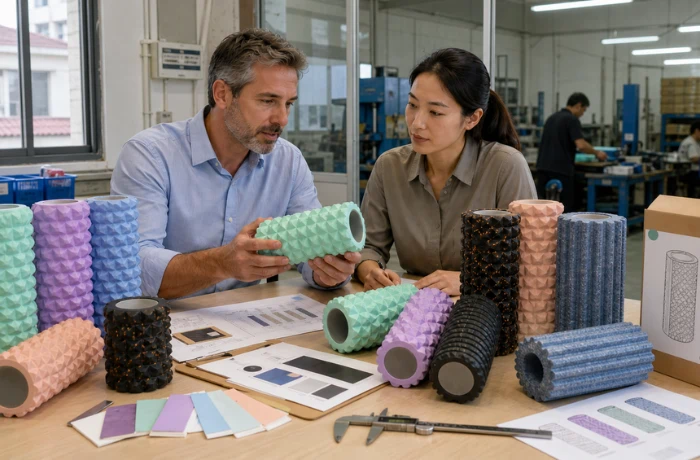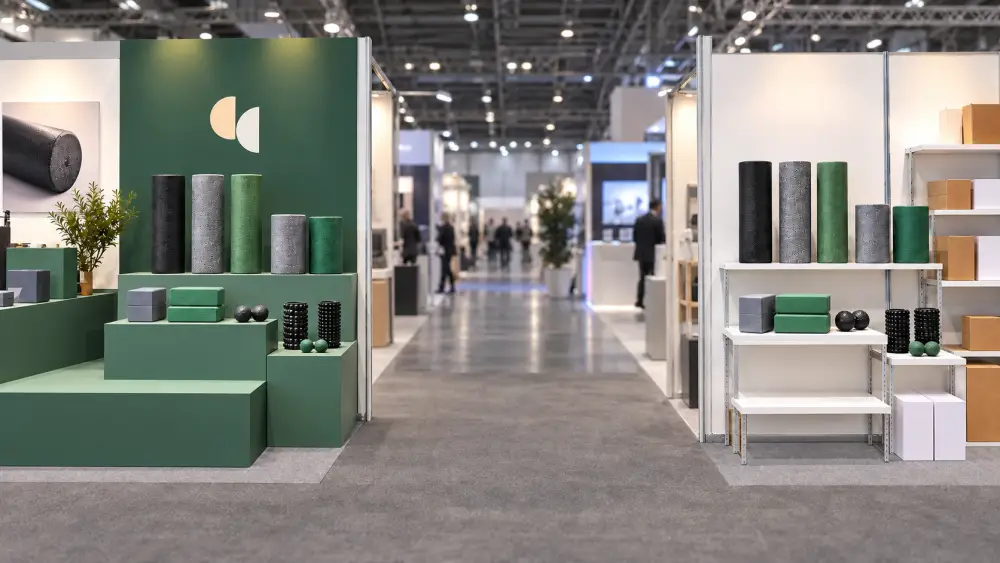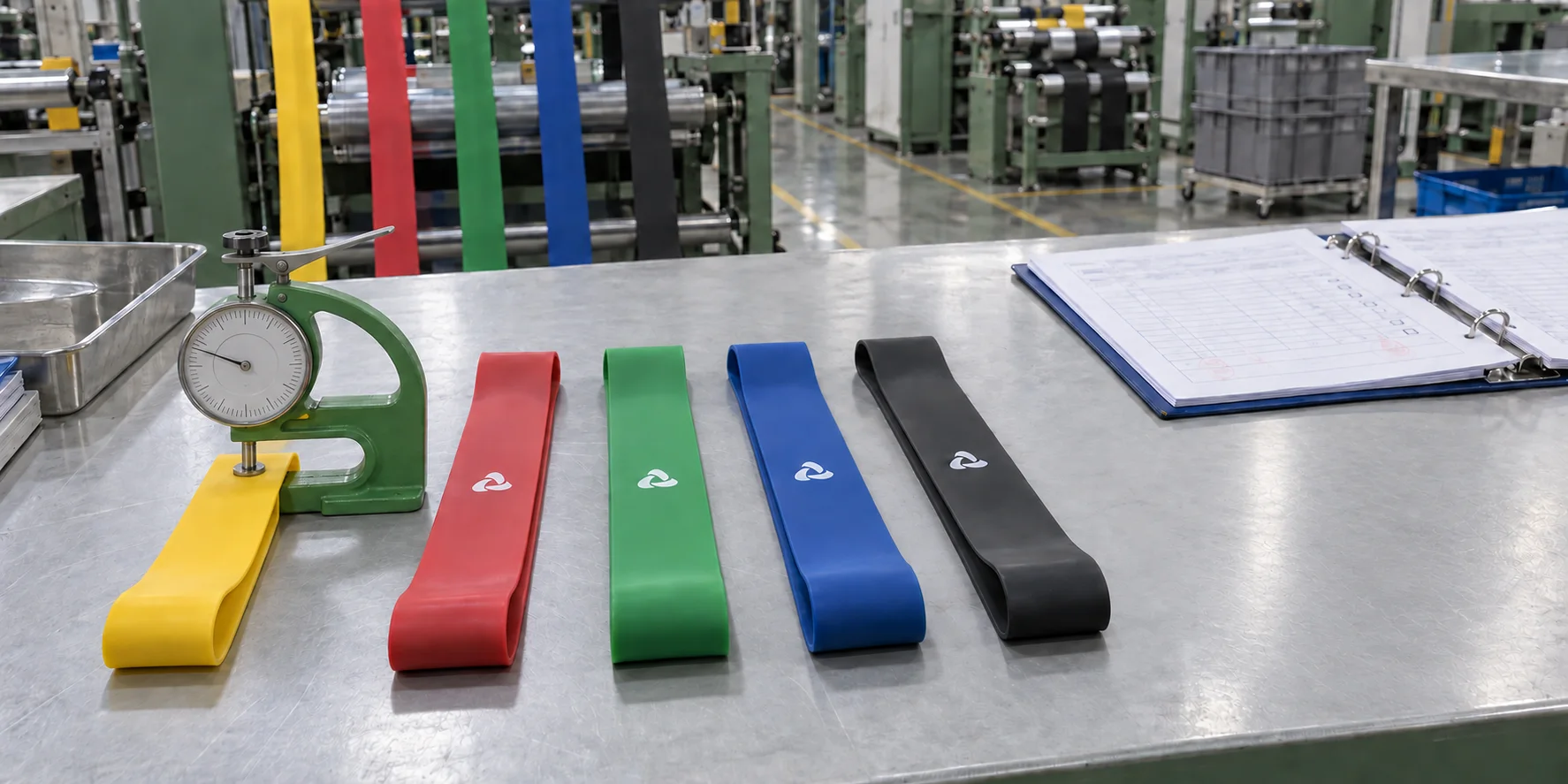
To screen real production control in custom balance pad logo printing, evaluate cleaning durability simulations, adhesion testing methods, batch color retention, and traceable sample control—not just the printing method itself.When you evaluate an OEM partner for a custom balance pad, logo printing is not a decoration issue—it’s a production control issue. In retail settings where products are disinfected repeatedly and sit under bright lights, unstable logos don’t just look imperfect; they feel unstable in the hand and on the shelf. Small edge blurs after cleaning, a slightly uneven color between batches, or a visible shift under light turn into questions at the counter—and into reviews a week later.
That’s why screening a supplier’s answers around logo durability and batch control is so telling. If a factory can’t explain how they control logo performance across runs, you’re not debating ink—you’re uncovering a gap in discipline. For a deeper overview of factory-fit decision points, see our guide to choosing an OEM balance pad factory for European retail brands.
Why Logo Failure Is a Production Problem, Not a Printing Problem
When edges begin to soften after repeated cleaning, the product no longer feels solid. That tactile clue often points to upstream controls, not just the logo method itself. Ask how the factory manages:
- Surface preparation of the pad material before printing or engraving
- Ink and substrate matching (for printed logos) and cure time control
- Environmental stability during drying/curing (temperature, ventilation)
- Batch-to-batch controls for color and logo geometry
In other words, ink is the outcome you see, but process discipline is what you’re buying. Under bright studio lighting, even a small mismatch looks exposed under light. And once a shopper notices it, the problem is hard to un-see.
Engraved vs Silk Printing — What Their Answers Reveal
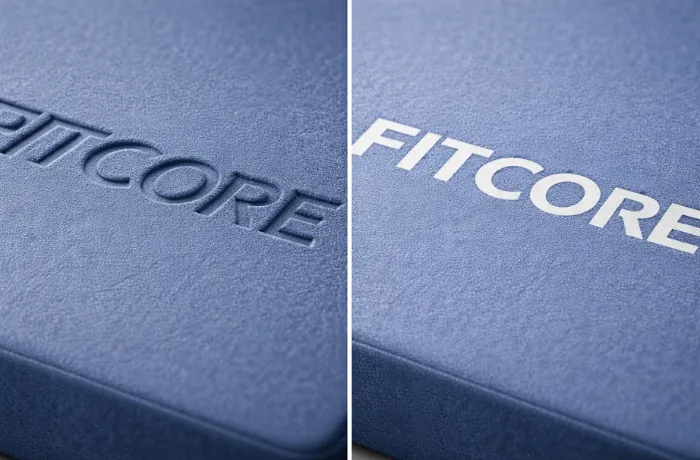
The point isn’t to turn you into a print engineer. It’s to listen for signals in how a supplier talks about durability and testing.
Ask: “How do you test cleaning durability?”
- Weak answer: “High quality ink. No complaints before.”
- Strong answer: “We simulate cleaning cycles before shipment and keep approved batch samples for visual comparison.”
Screening Moment: A Real Evaluation Contrast
Buyer: “How do you ensure logos won’t fade after repeated alcohol cleaning?”
Supplier A: “We use high-quality ink. No complaints before.”
Supplier B: “We simulate cleaning cycles before shipment and keep approved batch samples for visual comparison.”
In our experience, the first answer signals marketing language. The second signals process control.
How to think about the two common methods:
- Engraved (debossed) logos mark the foam itself. There’s no ink film to wear away, so they generally hold up better when pads are wiped often. Run your fingers across a good engraved mark and the texture feels grounded and permanent.
- Silk/screen-printed logos are flexible and cost-effective, with color freedom—but they live or die by adhesion, cure, and substrate prep. After months of wiping, edges may soften and blur if these controls are loose.
Engraved vs Printed Logo — Retail Risk at a Glance
| Factor | Engraved | Printed |
|---|---|---|
| Cleaning durability | High | Depends on adhesion and cure discipline |
| Color flexibility | Limited | High |
| Long-term retail risk | Lower | Medium (depends on cleaning routine and handling) |
| Batch consistency control | Geometry and tool wear control | Ink + surface prep + cure + process discipline |
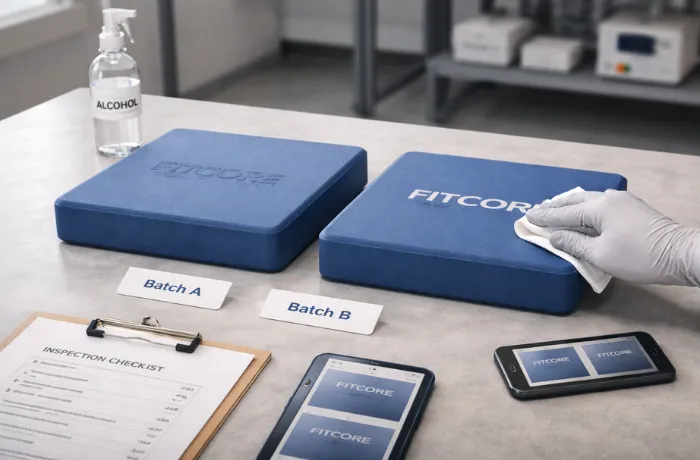
After this at-a-glance comparison, evaluate how the supplier explains testing and batch control in practice.The comparison highlights risk tendencies—but real reliability shows up in documented testing.Insist that the factory prove its claims with cleaning simulations representing your reality—your disinfectant, your frequency, and what you expect to see after repeated wipe simulations that reflect real use: early tests, mid-use checks, and a tougher “worst-case” run. For adhesion language you can reference in RFQs, call out simple tests used across industries like the tape-and-cross-hatch approach defined in ASTM D3359 and the cross-cut method in ISO 2409. You don’t need the grade tables; you just need consistent, documented pass/fail criteria and photos.
Batch Consistency Under Retail Lighting — What to Ask
Color shift is rarely dramatic. It becomes visible when two shipments sit side by side under the kind of LED lighting you use in stores or studios. Avoid lab formulas. Instead, make color control operational:
- Define your brand color with a Pantone reference and confirm production drawdowns against it. See Pantone’s overview of color systems for graphics for consistent communication.
- Require that the factory checks color in a repeatable, everyday way: side-by-side comparison under consistent daylight (same window/position/time of day) and a standard indoor LED environment similar to your store or studio. The risk you’re screening for is simple—two batches that look “close enough” in one light but show a visible shift in another.
- Keep retention samples with batch IDs on both sides (you and the factory) to enable side-by-side checks during replenishment. On a warehouse floor the difference may seem minor; under bright retail light, it often looks exposed.
The goal isn’t perfect science—it’s a repeatable routine that makes two batches comparable every time.
A practical, screening-style question cuts through theory: “How do you ensure new batches match previous shipments under retail lighting conditions?” Listen for references to approved samples, repeatable lighting checks (daylight + standard LED), photo protocols, and retention.
Adhesion and Cleaning Control for Custom Balance Pad Logo Printing
For custom balance pad logo printing, adhesion and wipe durability are the two failure paths you want to preempt. A capable factory should be able to calmly walk you through:
- Cross-hatch/tape adhesion checks on your actual pad substrate and finish, referencing simple methods like ASTM D3359 or ISO 2409 and showing labeled photos of results.
- Wipe/rub simulations that mirror your cleaning routine—disinfectant type and concentration, stroke count, pad pressure—and before/after images of any edge softening or gloss change. Where appropriate, abrasion tests akin to Sutherland-style rubs provide a comparative signal; see ASTM’s abrasion/rub guidance for context you can cite without getting technical.
- Batch sample retention and traceability so any anomaly can be traced back to a specific run and corrected quickly.
If they hesitate when explaining their testing flow, you already have your answer. Process clarity is a proxy for retail reliability.
A Simple Screening Checklist for Retail Buyers
Copy, paste, and adapt these questions into your next RFQ.
- How do you simulate repeated cleaning before shipment? Please describe the wipe medium (e.g., alcohol type and %, cloth), stroke count, pressure, and pass/fail criteria, and share photos or a short video.
- How do you verify logo adhesion on our exact substrate and finish? Which method do you use (e.g., cross-hatch/tape per ASTM D3359 or ISO 2409), and what rating or outcome do you require before release?
- How do you store and reference approved color standards? Will you evaluate side by side under consistent daylight and standard indoor LED similar to retail conditions, and keep labeled retention samples?
- How do you trace logo batches back to specific production runs? What data is on labels, and how long do you keep retention samples?
- What happens if a batch fails visual inspection or adhesion/wipe simulation? Describe your quarantine, rework, and communication steps.
- For our context (frequent disinfection), which logo method do you recommend—engraved or printed—and why? Will you run cleaning simulations on both so we can compare results and feel for any edges that soften?
- Before mass production, what does first-article approval look like? Who signs off on adhesion, color, and cleaning simulation evidence?
Integrating Logo Control Into Full Retail Production Control
Logo durability isn’t isolated. It connects to material stability, ventilation during curing, and batch documentation—pieces of a larger retail control system. In a robust workflow you’ll see first-article approval, labeled retention samples, and photo protocols that make anomalies easy to spot. If you’re aligning multiple SKUs and replenishments, it’s worth reviewing your full OEM balance pad factory criteria and mapping your RFQ to those checkpoints.
Some OEMs—including experienced manufacturers like WellfitSource—can run simple cleaning simulations on request so buyers can review before-and-after evidence. Treat this as documentation, not marketing: ask to see the setup, stroke counts, and results.
FAQ
Q1: Which logo method is more durable for gym use?
Engraved logos often resist repeated disinfection better because there’s no ink film to abrade. If you choose print for design flexibility, insist on adhesion checks (e.g., cross-hatch/tape) and cleaning simulations that mirror your disinfectant and frequency. Standards such as ASTM D3359 and ISO 2409 provide simple, shared language for results.
Q2: How do brands control color consistency across production batches?
Define Pantone targets, require repeatable side-by-side visual checks under consistent daylight and standard indoor LED lighting (similar to retail conditions), and keep labeled retention samples on both sides for comparisons during replenishment. See Pantone’s system overview for practical context.
Q3: How can buyers verify logo durability before shipment without lab expertise?
Ask the supplier to demonstrate their wipe simulation and explain their batch tracking process. Request short videos, labeled photos, and a brief note of pass/fail criteria. If answers are vague—or results hide edge softening—you’ve learned what you needed to learn.
Before you write your RFQ, review this retail production control guide and include the screening questions above.
Ready to move? Send a structured RFQ that specifies your logo method preference, cleaning routine for simulation, Pantone targets, and sample-retention expectations. We’ll respond with clear testing steps and what evidence you’ll receive before release.