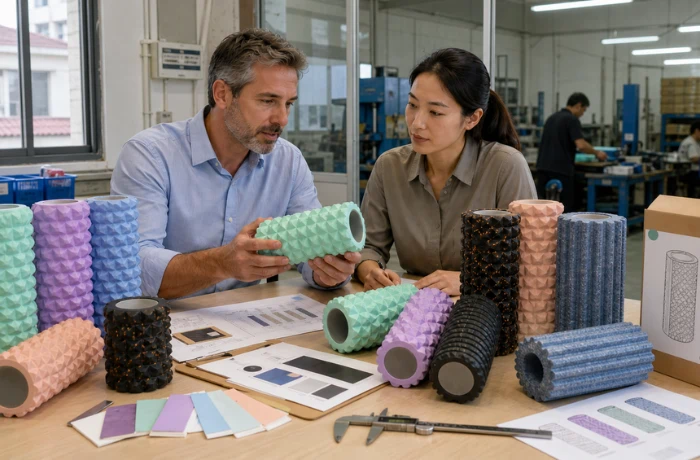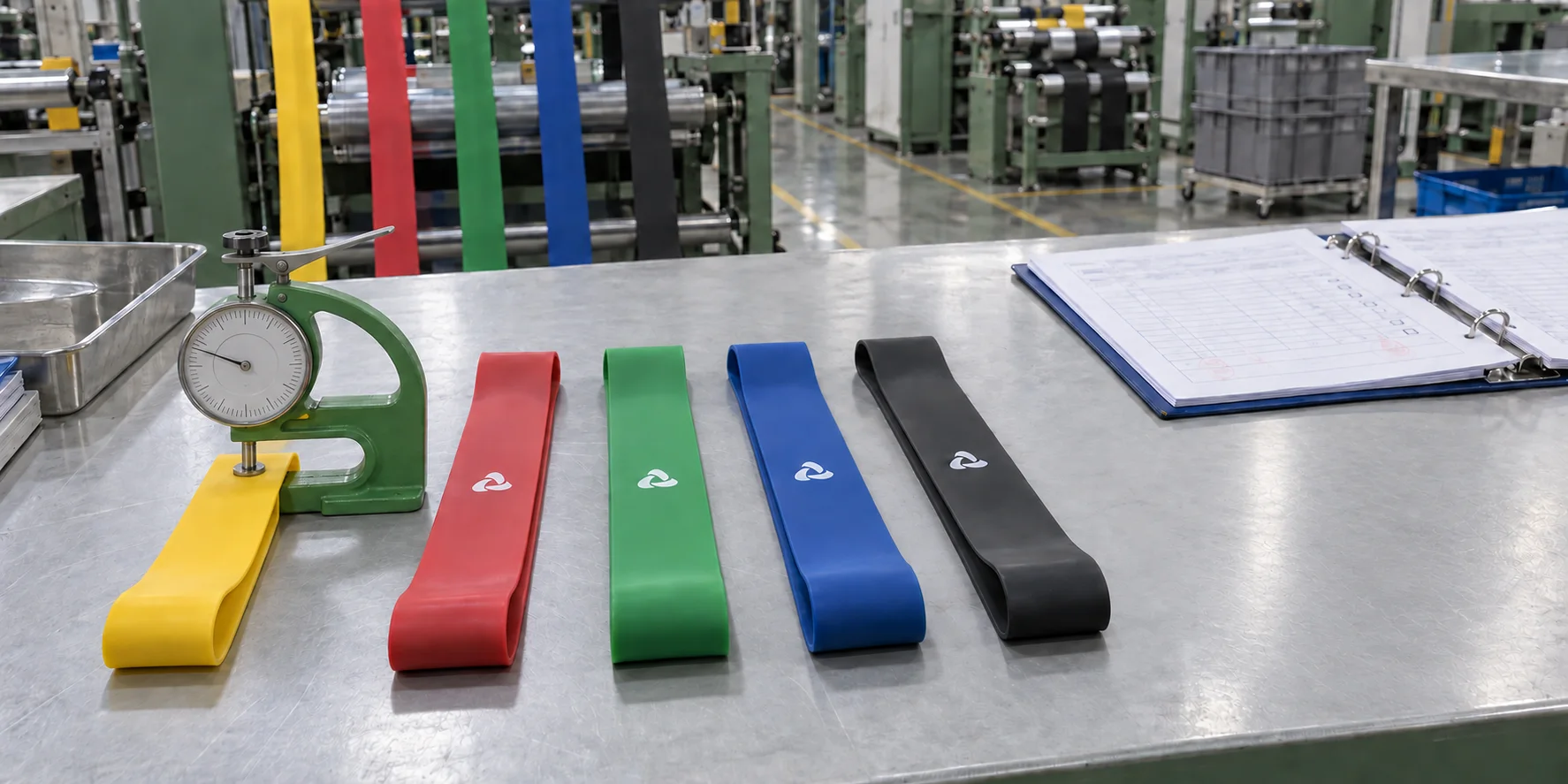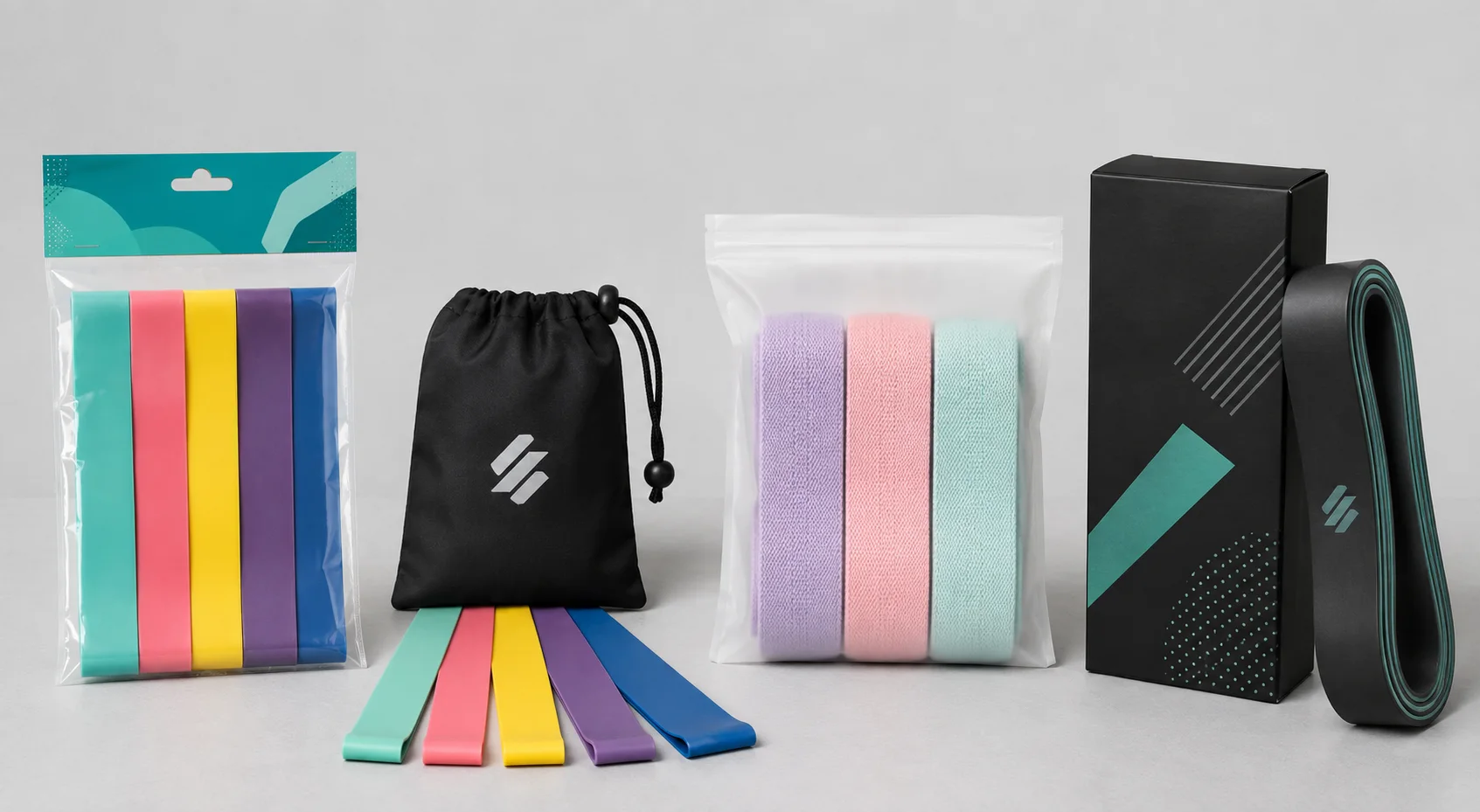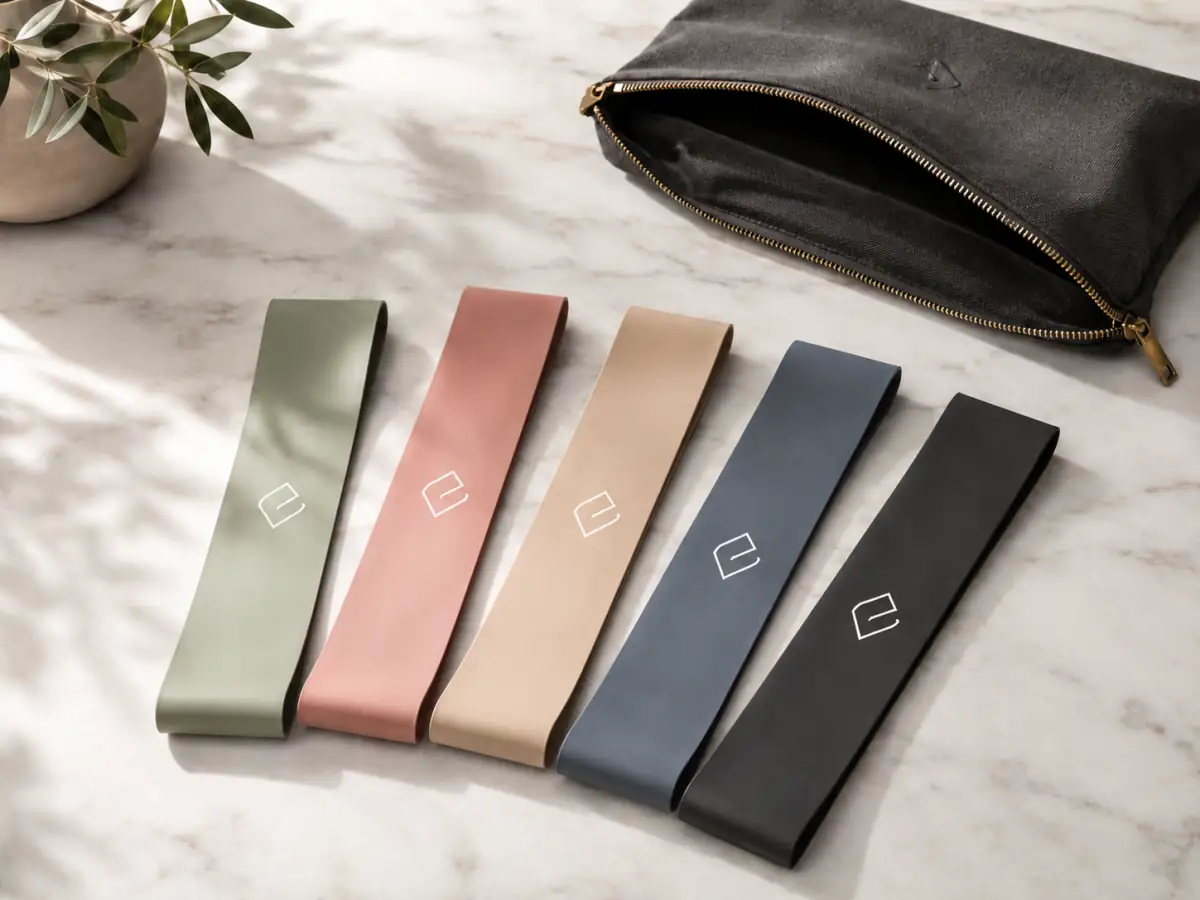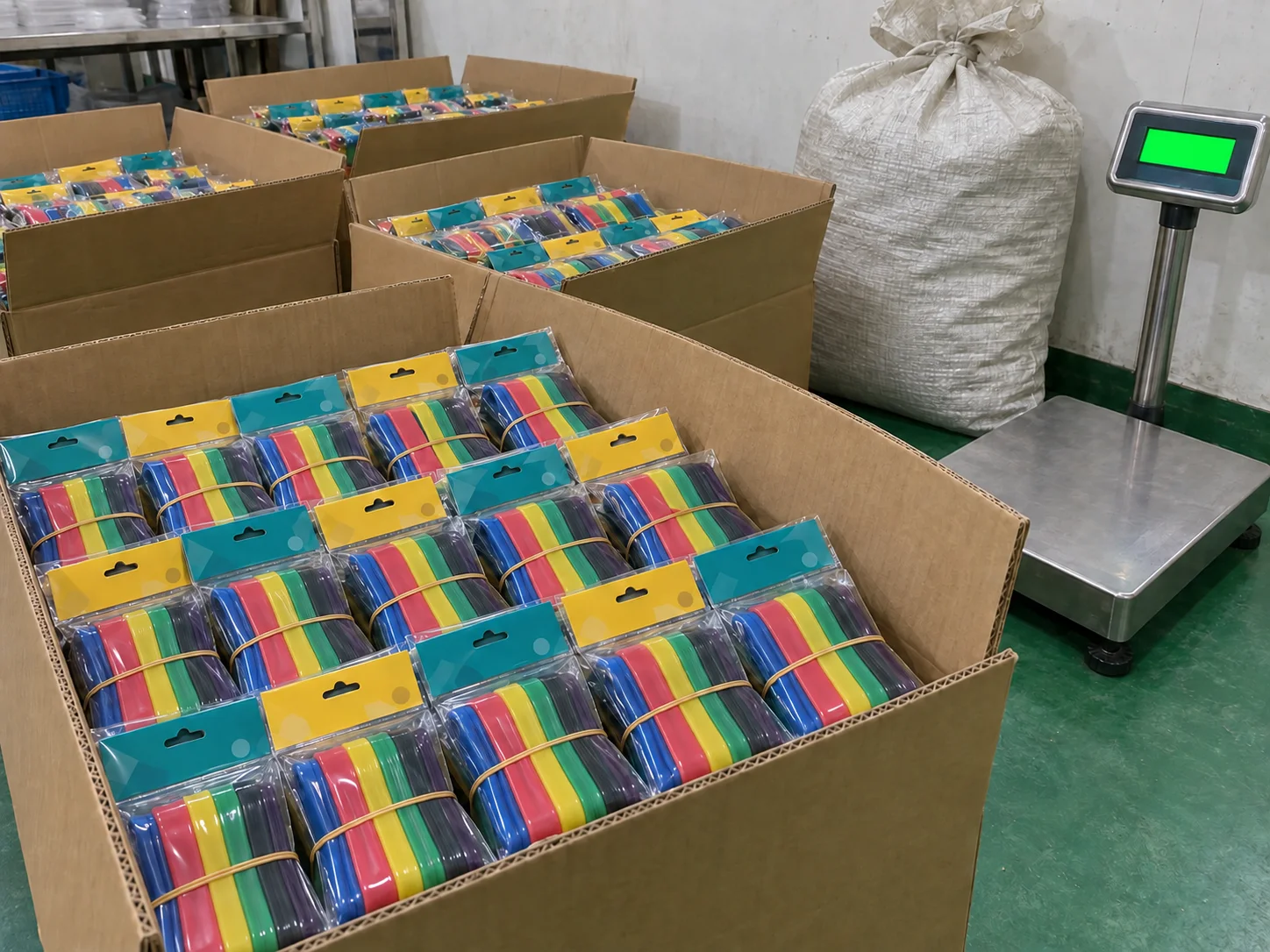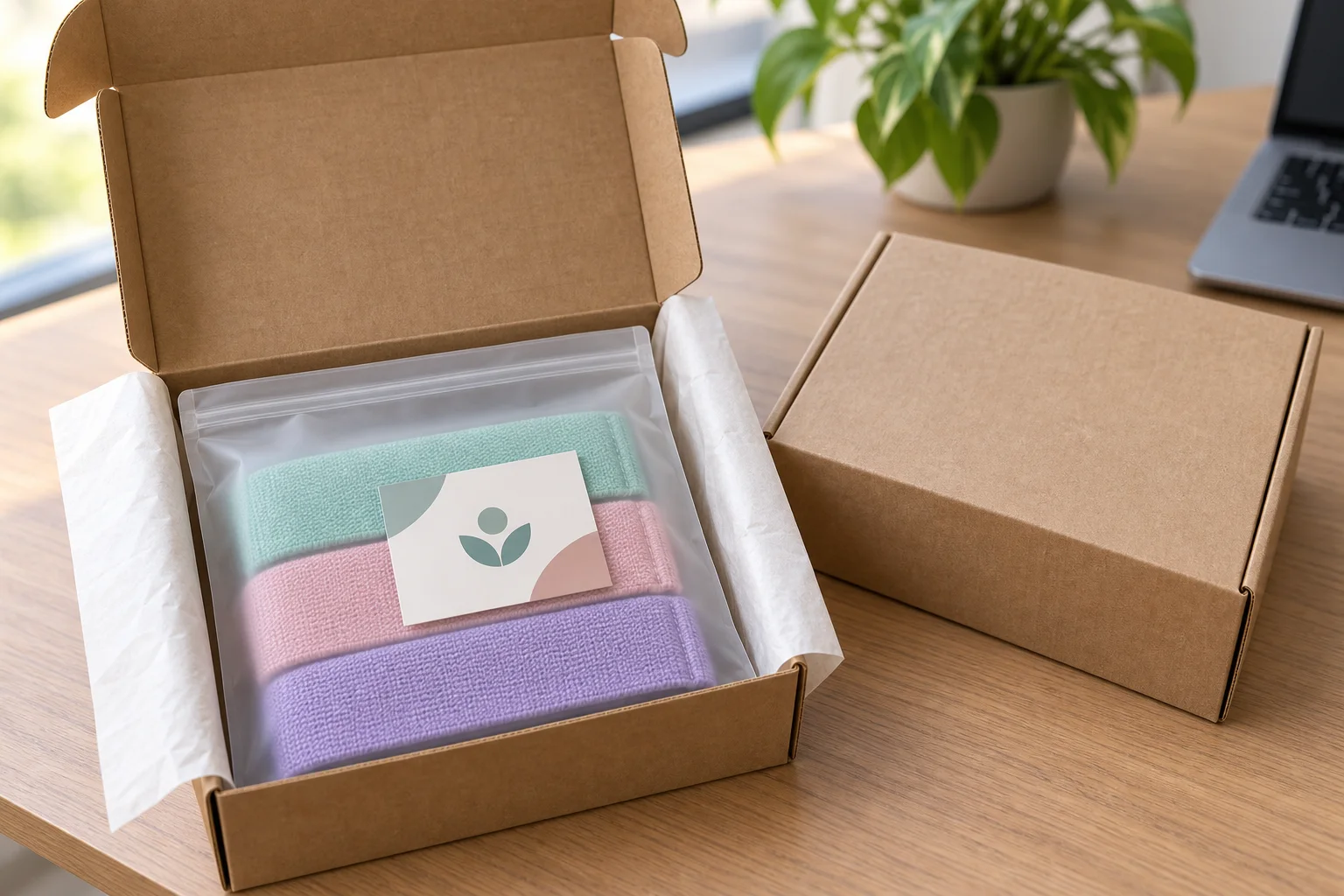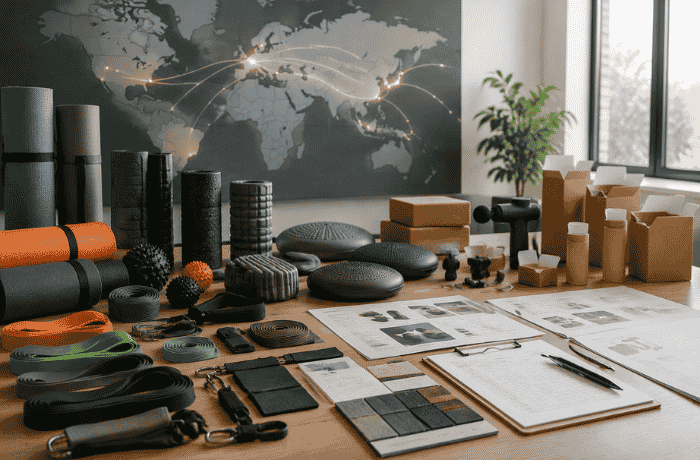
For fitness equipment, China remains the dominant sourcing destination — the deepest supply chain, the widest product range, and the most mature OEM/ODM infrastructure. Vietnam offers lower US tariff exposure and is viable for high-labor, simpler products. India is competitive for yoga accessories and textile-based fitness goods, but lacks the supply chain integration needed for foam, PVC, or technical equipment at scale.
Quick Summary
- China covers the full fitness equipment category — foam rollers, yoga mats (all materials), resistance bands, training accessories — with the best price-to-quality ratio at scale and the most accessible certification infrastructure (SGS, TÜV, Bureau Veritas on-site).
- US Section 301 tariffs on China remain at 20–25% for most fitness equipment HTS codes in 2026; brands absorbing this cost must ensure their China FOB price advantage versus Vietnam or India still clears the landed cost math.
- Vietnam is a credible alternative for labor-intensive, simpler products (resistance bands, yoga straps, soft accessories) where US tariff savings offset the thinner supply chain. Complex foam or PVC products remain challenging.
- Indien leads on textile yoga accessories and natural material products (cotton straps, jute mats, cork-related materials). The PLI scheme has catalyzed some manufacturing investment, but supply chain integration for fitness equipment lags both China and Vietnam by 3–5 years.
- Most B2B buyers end up with a hybrid strategy: China for foam, structured products, and anything requiring precision manufacturing; Vietnam or India for labor-intensive accessories where the tariff delta justifies the additional supply chain complexity.
The Sourcing Decision Framework: What Actually Matters in 2026
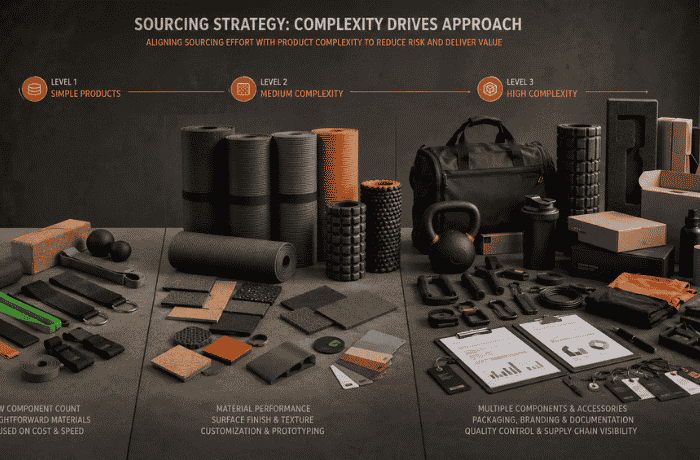
Three years of tariff pressure, post-COVID supply chain reorganization, and the emergence of new manufacturing hubs have made “China vs. alternatives” a more nuanced question than it was in 2019. But the right question for a fitness equipment buyer is not “which country is best” — it is “which country is best for my specific product, volume, compliance requirements, and destination market.”
The four variables that determine the answer:
1. Product complexity. Foam rollers, yoga mats, and structured training equipment require vertically integrated supply chains — the raw material (EVA, PVC compound, natural rubber), processing (foaming, lamination, vulcanization), and finishing (printing, packaging) often happen in the same facility or industrial cluster. China has this. Vietnam and India mostly do not.
2. Landed cost to destination. FOB price is only one component. Add tariffs (country-specific), freight (sea freight from Vietnam is cheaper to US East Coast; China cheaper to Europe), insurance, duties, and broker fees. The landed cost calculation often makes China competitive even at higher tariffs than intuition suggests.
3. Compliance and certification infrastructure. SGS, TÜV, Bureau Veritas, and Intertek all maintain testing labs in China’s major manufacturing hubs. Getting a REACH test, CA65 report, or BSCI audit done takes 2–3 weeks and $400–$800. The same process in Vietnam or India adds 2–4 weeks and sometimes requires sample shipment to a third-country lab.
4. Volume and MOQ. China factories support the full spectrum from 200-unit ODM samples to 50,000-unit production runs. Vietnam factories in the fitness category tend to have higher MOQs and narrower windows for small-brand OEM. India factories are generally flexible on volume but slower on throughput for non-textile products.
Country Profile: China
The Supply Chain Advantage
China’s fitness equipment manufacturing is concentrated in four clusters: Yangzhou (Jiangsu) for yoga mats and foam accessories; Xiamen and Quanzhou (Fujian) for foam rollers; Guangzhou and Shandong for gym machines and training accessories; and Yiwu (Zhejiang) for yoga accessories and small items. Each cluster has complete vertical integration — raw material suppliers, compounders, foam plants, printing facilities, packaging houses, and freight forwarders within a 50km radius.
This density translates to: – Lower lead times because materials do not need to cross supply chains – Lower sampling costs because modifications happen in-house – More customization options because tooling, compound mixing, and lamination are all accessible from a single factory relationship – More consistent quality because the supply chain has fewer handoffs
For yoga mats specifically — PVC, TPE, cork, and PU — China manufactures more than 90% of the world’s supply. There is no viable alternative at comparable quality and price for a brand requiring OEM customization, full-color sublimation printing, and REACH/CA65-compliant materials.
Tariffs in 2026
US Section 301 tariffs on Chinese fitness equipment remain the primary challenge for US-bound sourcing from China. Key HTS codes and current tariff rates:
| Produktkategorie | HTS Code | Section 301 Rate (2026) | Standard MFN Rate | Effective US Tariff |
|---|---|---|---|---|
| Yoga mats (foam) | 3920.10 / 4016.99 | 20–25% | 3.7–4.7% | 23.7–29.7% |
| Foam rollers (EVA) | 3926.90 | 25% | 3.4% | 28.4% |
| Resistance bands | 4016.99 | 20% | 3.7% | 23.7% |
| Yoga accessories (textile) | 6307.90 | 7.5% | 5.8% | 13.3% |
| Training accessories (metal) | 9506.91 | 25% | 4.5% | 29.5% |
The landed cost reality: A PU yoga mat at $15 FOB China with 25% tariff ($3.75) + $1.50 freight + $0.50 other = ~$20.75 landed. The same specification manufactured in Vietnam at $17.50 FOB (higher due to thinner supply chain) with 0% tariff + $1.20 freight = $18.70 landed. The tariff creates roughly $2 per unit in landed cost disadvantage for China — which disappears quickly as retail price scales up and matters most in the value/mid-tier segment.
For EU-bound products, Chinese tariffs are not a meaningful factor. China-to-EU fitness equipment faces standard MFN rates (3–6%), and Chinese factories typically hold CE documentation and REACH test reports as standard practice.
China Compliance Infrastructure
China’s testing and certification infrastructure is genuinely world-class for consumer product compliance:
- BSCI audits (via SGS, TÜV Rheinland, Bureau Veritas) are conducted regularly at major manufacturing facilities; factories in established clusters often have current audits on file
- REACH SVHC testing is available from labs in Shanghai, Guangzhou, and Shenzhen within 10–15 business days
- CA65 test reports are increasingly maintained as standard documentation by exporters serving the US market
- ISO 9001 certification is common at mid-to-large factories in the yoga and fitness equipment sector
- OEKO-TEX STANDARD 100 testing is available for textile and foam products destined for EU markets
Who Should Source from China
- Any brand requiring full OEM customization (custom compound, custom print, custom tooling)
- Brands sourcing foam products (EVA, EPE foam rollers; PU yoga mats; foam balance pads)
- EU-bound private label orders where US tariffs are not a factor
- Brands at volume (300+ units) where supply chain reliability is more important than marginal tariff savings
- Any product requiring complex compliance documentation (REACH, CA65, CE) within normal lead times
Country Profile: Vietnam
The Tariff Advantage
Vietnam’s primary attraction for US-bound sourcing is the absence of Section 301 tariffs. Vietnamese-manufactured goods enter the US at standard MFN rates (typically 3–7% for fitness accessories) — a meaningful landed cost advantage for brands whose US exposure makes the China tariff stack prohibitive.
Vietnam has also benefited from significant manufacturing investment since 2018, as brands and factories relocated production to avoid tariffs. Nike, Adidas, and Samsung have established large-scale operations, and the ecosystem for apparel, footwear, and light manufacturing is maturing.
What Vietnam Does Well for Fitness Equipment
Textile and soft goods. Resistance bands (fabric-covered), yoga straps, workout gloves, gym bags, and other textile-intensive accessories can be sourced competitively from Vietnam. The apparel ecosystem transfers reasonably well to soft fitness accessories.
Labor cost. Vietnam’s manufacturing labor cost remains below China’s in most skill categories. For labor-intensive assembly — bundle kit assembly, complex packaging, hand-sewn accessories — Vietnam can compete on total cost even after accounting for thinner supply chain margins.
Regional diversification. Brands that have had supply chain concentration risk flagged by investors or retail buyers increasingly use Vietnam alongside China to demonstrate geographic diversification.
Where Vietnam Falls Short
Foam and PVC supply chain. Vietnam has no meaningful domestic supply of EVA compound, PVC foam, natural rubber processing, or cork. These raw materials must be imported — typically from China — which adds 2–4 weeks to production lead times, creates additional costs, and introduces a supply chain dependency that largely negates the tariff advantage for these product categories.
Yoga mat manufacturing capacity. Vietnam has minimal capability for high-quality OEM yoga mat production. Full-bleed sublimation printing, PU lamination, cork processing, and compound foam mat manufacturing are largely absent. A brand that wants a custom PU yoga mat made in Vietnam will find either that no factory can do it, or that the factory is importing Chinese semi-finished goods and adding a lamination step in Vietnam — which creates origin compliance issues for tariff purposes.
Quality consistency and QC infrastructure. SGS, TÜV, and Bureau Veritas all operate in Vietnam, but testing infrastructure is thinner and slower than China. BSCI audits in Vietnam are available but require more scheduling lead time. Factories outside of Ho Chi Minh City and Hanoi may require sample shipment to Singapore or China for specialized testing.
MOQ and production flexibility. Vietnamese fitness equipment factories tend toward higher MOQs and less flexibility for small-brand OEM customization. The ecosystem is better calibrated for large-brand, high-volume production than for boutique private label brands.
Who Should Source from Vietnam
- Brands sourcing primarily fabric-intensive accessories (resistance bands, straps, gym bags) for the US market where tariff savings are significant
- Large brands (5,000+ unit orders) with negotiating leverage and the resources to manage thinner supply chains
- Brands seeking geographic diversification for investor or retail compliance reasons — but willing to accept higher FOB cost for certain categories
Country Profile: India
The Emerging Hub
India’s fitness equipment manufacturing has grown substantially since 2020, driven by domestic demand, the government’s Production Linked Incentive (PLI) scheme for sports goods, and increasing attention from global brands seeking China alternatives. The Meerut and Jalandhar clusters in Uttar Pradesh and Punjab have been producing sports goods — including gym equipment and yoga accessories — for decades and are scaling up.
The Indian government’s push on “Make in India” for sports goods, combined with competitive labor costs and a large English-speaking workforce, has attracted sourcing interest from European and North American buyers.
What India Does Well for Fitness Equipment
Natural and textile yoga accessories. India has genuine strengths in cotton, jute, and textile-based yoga products. Cotton yoga straps, jute yoga mats, cotton meditation cushions, and block covers are made well in India, often at competitive prices. For brands with a natural-materials or Ayurveda-adjacent brand positioning, Indian-manufactured yoga accessories carry authentic provenance.
Resistance bands and elastic goods. India has a robust rubber processing industry, particularly for natural rubber, which makes latex resistance bands and natural rubber-based products a viable sourcing category.
Yoga blocks (cork and foam). Some Indian factories produce cork and EVA foam blocks competitively. Quality and consistency varies significantly by factory; verification audits are essential.
US and EU tariff position. India has no Section 301 tariffs with the US and benefits from preferential EU tariff treatment through GSP (Generalized Scheme of Preferences) for some categories. However, India’s GSP status with the US was suspended in 2019 and had not been fully restored as of mid-2026 — meaning the tariff advantage over China for US-bound goods is meaningful for some categories but not as clear-cut as Vietnam.
Where India Falls Short
Foam and PVC supply chain depth. Like Vietnam, India lacks a mature EVA foam, TPE, or PVC foam compound supply chain for the fitness equipment category. Yoga mats in materials beyond natural rubber and jute require importing compounds, which reduces the cost and lead time advantages.
PU yoga mat capability. Virtually absent. The natural rubber base + PU microfiber lamination process that defines premium yoga mats requires specialized equipment and process knowledge that Indian manufacturers have not yet scaled.
Technical equipment. Foam rollers (EPE/EVA), foam balance pads, and structured training equipment are produced in India but quality consistency is lower than China at equivalent price points. This gap is narrowing but has not closed.
Certification infrastructure. Testing infrastructure in India is improving but slower and more fragmented than China. REACH testing requires sample shipment to EU-accredited labs; CA65 testing through ILAC-accredited labs exists in Mumbai and Chennai but adds lead time. BSCI audits are available but factory compliance rates in the sports goods sector are less consistent than in China’s established clusters.
Who Should Source from India
- Brands with natural material or Ayurvedic brand positioning who want authentic provenance for yoga accessories
- Buyers sourcing cotton/jute/textile yoga goods who can absorb longer lead times for better brand story
- Large brands building supply chain diversification as a board-level mandate
- European brands exploring the EU-India trade agreement benefits as they develop
Head-to-Head: Fitness Equipment Category by Sourcing Country
| Produktkategorie | China | Vietnam | Indien |
|---|---|---|---|
| PVC yoga mats (OEM) | ✅ Excellent — full supply chain | ❌ Raw materials imported, limited capability | ❌ Very limited capability |
| TPE yoga mats (OEM) | ✅ Excellent | ❌ Limited | ❌ Very limited |
| Cork yoga mats (OEM) | ✅ Good — cork imported but processing mature | ❌ Very limited | 🟡 Small-scale capability |
| PU yoga mats (OEM) | ✅ Excellent — dominant global supplier | ❌ Not viable for full OEM | ❌ Not viable |
| Jute / natural rubber mats | ✅ Good | 🟡 Possible | ✅ Strong — natural materials provenance |
| Foam rollers (EVA/EPE) | ✅ Excellent | 🟡 Limited, imports foam | ❌ Very limited |
| Resistance bands (latex) | ✅ Excellent | 🟡 Possible | ✅ Good — rubber processing industry |
| Resistance bands (fabric) | ✅ Excellent | ✅ Good | ✅ Good |
| Yoga accessories (textile) | ✅ Excellent | ✅ Good | ✅ Excellent |
| Training accessories (metal) | ✅ Excellent | 🟡 Limited | 🟡 Limited |
| Schaumstoff-Balancepads | ✅ Excellent | ❌ Limited | ❌ Limited |
| Bundle kit assembly | ✅ Excellent — one-source capability | 🟡 Possible for soft goods | 🟡 Possible for textile goods |
Compliance Comparison: Getting Certified in Each Country
| Requirement | China | Vietnam | Indien |
|---|---|---|---|
| REACH SVHC testing (EU) | 10–15 days in-country | 15–25 days (or ship to SG/CN) | 20–30 days (or ship to EU lab) |
| CA65 / Prop 65 (US) | 15–20 days in-country | 20–30 days | 20–35 days |
| CE Declaration of Conformity | Factory self-declares; supported by test reports | Same process; fewer experienced factories | Same process; significantly fewer experienced exporters |
| BSCI Social Audit | Widely available; current audits common | Available; scheduling longer lead time | Available; consistency varies by factory cluster |
| ISO 9001 | Common at mid-to-large factories | Growing; less common in fitness category | Available; less common in fitness category |
| UKCA (UK) | Same as CE route | Same as CE route | Same as CE route |
For most brands: The compliance cost difference between sourcing countries is 3–5 weeks and $500–$1,500 per SKU for initial testing. This is a one-time cost, not ongoing. It is meaningful at the sampling stage but does not fundamentally change the sourcing economics at production scale.
The Landed Cost Model: US-Bound, 500-Unit Order (PU Yoga Mat)
| Kostenkomponente | China | Vietnam | Indien |
|---|---|---|---|
| FOB price per unit | $15.00 | $17.50 | Not viable |
| US import tariff (%) | 25% | 3.7% | 3.7% |
| Tariff per unit | $3.75 | $0.65 | — |
| Sea freight per unit (500 units) | $1.80 | $1.50 | — |
| Compliance testing (amortized, 500 units) | $1.00 | $1.60 | — |
| Estimated landed cost per unit | $21.55 | $21.25 | Not viable |
| At $85 retail: gross margin | 74.6% | 75.0% | — |
At premium retail prices, the China tariff disadvantage on PU yoga mats is approximately $0.30 per unit — statistically negligible. The margin difference compounds against Vietnam only if: (a) FOB prices in Vietnam were at parity with China, which they are not for this product; or (b) the tariff rate increases significantly above current levels.
For value-tier PVC mats at $4.50 FOB and $19.99 retail, the tariff math is different — $1.13 per unit in tariff versus $0.17 for Vietnam. That gap represents roughly 7% of the retail price and is meaningful at the sub-$25 retail tier.
Conclusion: China’s tariff disadvantage versus Vietnam is real but overstated in fitness equipment sourcing discussions. It matters most at the low-margin, low-retail-price end of the market. At mid-tier and premium price points, the supply chain depth and quality advantages of China-sourced goods outweigh the landed cost difference.
Recommended Sourcing Strategy by Brand Stage
| Brand Stage | Recommended Sourcing Strategy |
|---|---|
| First order, $15K–$50K budget | China ODM — lowest complexity, fastest samples, most accessible MOQ |
| Scaling brand, US-primary, value tier ($15–$35 retail) | Evaluate Vietnam for PVC/fabric accessories; China for foam and structured products |
| Premium DTC brand ($60+ retail) | China for all product categories — no viable alternative for PU, foam rollers, or complex accessories at premium spec |
| EU-primary brand | China without tariff concern — EU MFN rates apply equally; focus on REACH compliance infrastructure |
| Multi-SKU brand with supply chain diversification mandate | China as primary; Vietnam as secondary for textile-intensive accessories; India for natural material yoga accessories |
| Studio or gym operator buying functional bulk | China — highest consistency, best documented quality, most factory options at B2B price |
How Wellfitsource Fits This Picture
We are a Yangzhou, Jiangsu factory serving 820+ B2B buyers in North America, Europe, and Australia. We manufacture yoga mats (PVC, TPE, cork, PU), foam rollers, resistance bands, yoga accessories, and foam balance pads — the full fitness accessories range from a single facility.
For brands evaluating China sourcing in 2026, working with an established, certified factory eliminates most of the risk factors associated with the country:
- SGS-certified BSCI audit on file — available for review before sampling
- ISO 9001 quality management — consistent process standards across production runs
- Compliance documentation pre-existing — current REACH, CA65, and CE documentation for standard material specifications; shareable before sample order placement
- English-speaking account management — direct communication, no intermediary markups
- 5–10 working day sample lead time — faster than most Vietnam or India factories for equivalent specifications
- OEM and ODM capability — full custom specification (compound, color, print, packaging) or catalog-based logo customization, depending on brand stage
For brands comparing China against Vietnam or India for their fitness equipment range, we’re glad to walk through the landed cost math for your specific products and destination market. The answer is not always the same — but for most fitness equipment categories, the supply chain calculus is more favorable to China than the tariff headline suggests.
Request a quote or start a product conversation →
FAQ
Are US Section 301 tariffs on China permanent?
As of mid-2026, Section 301 tariffs on Chinese goods remain in effect. The USTR has conducted multiple reviews, and there is no current legislative action to remove them. The most accurate guidance: plan your business model assuming current tariff rates remain for the next 24 months and evaluate whether your product category and retail price tier can absorb them. For premium fitness equipment (PU yoga mats, specialty foam rollers), they typically can. For value-tier products at sub-$25 retail, they require more careful modelling.
Can I split my production between China and Vietnam to manage risk?
Yes, and many scaling brands do this. A common approach: source foam and structured products from China (where Vietnam cannot compete on quality or capability), and source textile-intensive accessories — resistance bands, yoga straps, gym bags — from Vietnam. This requires two factory relationships, two compliance audit processes, and two shipping streams, which adds overhead. The risk-mitigation benefit is real, but it has an operational cost. Worth doing at $500K+ annual sourcing spend; difficult to justify below that threshold.
Why is India not listed as viable for yoga mats?
India’s manufacturing strengths for yoga products are concentrated in natural materials — jute, cotton, natural rubber. For polymer-based yoga mats (PVC, TPE, cork composite, PU), India lacks the compound supply chain, the lamination infrastructure, and the OEM customization capability that China has built over 20 years. This may change as investment increases, but as of 2026, a brand seeking a custom PU yoga mat with full-bleed printing and REACH compliance documentation will not find a reliable manufacturing partner in India.
What should I look for when vetting a factory in any of these countries?
Across all three countries, the verification process is the same: request a current BSCI or equivalent social audit certificate, review ISO 9001 certification if relevant to your product, commission a pre-production sample with compliance test documentation, and conduct a pre-shipment inspection on the first production order. Country of manufacture changes the risk profile of this process but does not eliminate the need for it. See the Complete OEM Fitness Equipment Manufacturing Guide for the full factory vetting framework.
Does Wellfitsource ship directly to Amazon FBA warehouses?
Yes. We can prepare orders to Amazon FBA packaging and labeling specifications (carton dimensions, FNSKU labels, suffocation warning labels) and ship directly to the designated Amazon warehouse in the US, EU, or UK. This eliminates the need for a domestic 3PL for brands whose only distribution channel is Amazon FBA.
Related reading: – The Complete OEM Fitness Equipment Manufacturing Guide — factory evaluation, certification deep-dives, MOQ benchmarks – Yoga Mat Materials Compared: TPE vs PU vs Cork vs PVC — material selection by channel, margin, and compliance burden