
Balance Pad OEM Manufacturer for Fitness & Rehab Brands
Stable Batch Control丨Audit-Ready Documentation丨Scalable Production
Procurement-ready balance pads backed by auditable standards, batch release checkpoints, and documentation packs for faster approvals.
- Grip consistency in dry/wet training environments — batch release only after pass
- Compression stability under repeated use — abnormal decay triggers batch hold & recheck.
- Dimensional tolerance + transit protection — foam-goods anti-deformation packing and stack rules.
- Home
- »
- Foam Balance Pad
What You Receive in Your Procurement Pack
Your procurement pack is built to simplify internal review and accelerate approval workflows. It consolidates technical specifications, density data, structured sampling checkpoints, and market-indexed compliance documentation into a clear, retrievable format. Color alignment references and packaging load planning guidance are included upfront to eliminate ambiguity before production launch.
This approach reduces back-and-forth clarification, shortens approval cycles, and allows your team to move confidently from evaluation to order placement.
Product Spec Sheet
- Material & structure overview
- Surface pattern options (texture library)
- Customization scope (size / color / logo / pack)
- Packing recommendations for foam goods
- Appearance grading & tolerance logic
Delivered for internal review (NDA-ready details available).
Sampling Plan
- Pre-production sample approval workflow
- IQC / IPQC / OQC checkpoints
- Lot definition + sampling rule
- Batch hold, isolation & recheck mechanism
- Retention samples & traceability
Delivered for internal approval
Product Spec Sheet
- Market compliance documents (by target region)
- Report index by material / by SKU
- Validity & update cycle
- Audited supply chain statement
- Appearance grading & tolerance logic
Delivered for internal approval
Complete Balance Pad OEM Programs for Fitness & Rehab Brands
From entry-level gym lines to clinic-grade rehabilitation products, we support structured SKU development across:Retail fitness brands,Physical therapy suppliers,Amazon private label sellers,Sports equipment distributors and more.Each program is built around controlled material consistency and scalable supply.

Balance Pad Engineering & OEM Architecture
Structured balance pad programs engineered for controlled stability, rehabilitation alignment, and commercial training durability.
Each solution is built around material consistency, density calibration, and scalable production control.
01.Controlled Durability
Engineered density stability and compression recovery designed to withstand high-frequency training environments. Structured material validation prevents premature deformation and batch inconsistency.
02.Structured Custom Development
Customization aligned with brand positioning, including density grading, surface texture control, and Pantone-based color matching. Each program follows sample approval and validation before mass production release.
03.Performance Under Load
Surface grip, rebound control, and dimensional stability optimized for repetitive impact and balance training. Designed to maintain consistent support across long-term commercial use.
Specification & Program Development Framework
Balance pad development structured around long-term structural integrity, ergonomic load calibration, and controlled custom configuration.
Each specification follows documented validation before production release.
04.Long-Term Structural Integrity
Crafted to resist wear and maintain performance for extended use in commercial and high-traffic environments.
05.Ergonomic Load Support
Designed to provide optimal support for balance training, physical therapy, and rehabilitation.
06.Controlled Custom Configuration
Shape, density, texture, and color specifications structured around brand positioning and end-use environment. Each configuration follows documented sampling and validation prior to volume production, supporting structured private label release.
Choose the Right Shape for Your Target Market
Each series is engineered for a specific use environment. Select based on your end-user scenario and procurement risk profile.
Oval Balance pad

Designed for high-traffic fitness studios and multi-purpose training programs where durability and shape retention matter more than softness.
rectangle balance pad

Built for heated environments where grip performance under sweat is non-negotiable—and customer complaints are costly.
trapezoid balance pad

Designed for portability-focused product lines where weight, foldability, and packing efficiency directly impact sell-through.
Select Balance pads by Market Application
Most buyers start with their primary sales channel before narrowing materials and specs.Each category is built around real selling scenarios, customer expectations, and usage intensity—to help you choose the right specs before production.
Rehab&Therapy Series

Best-fit scenario:Clinical studios, physiotherapy practices, and rehabilitation centers requiring controlled firmness and hygienic surface properties — suitable for therapy balance applications for both human and equine rehabilitation programs.
Procurement risk:Inconsistent firmness or surface risk across batches can disqualify products from clinical procurement lists.
Recommended config direction:Higher-density TPE with medical-grade surface texture. Recommended to review texture library and compression recovery validation in the Spec Sheet.
Exercises &Training Series

Best-fit scenario:Retail-ready balance pads for consumer home use — packaged for shelf appeal and tested for long-term household durability.
Procurement risk:Consumer returns driven by early compression loss or packaging damage during last-mile delivery.
Recommended config direction:Mid-density TPE with retail packaging optimized for stacking and transit. Review packing recommendations and appearance grading in the Spec Sheet.
Yoga &Pilates series

Best-fit scenario:Professional gyms, athletic training facilities, and competition environments demanding maximum load capacity and grip under intense use.
Procurement risk:Grip degradation under sweat exposure or premature deformation under high-load, high-frequency use.
Recommended config direction:High-density TPE with enhanced grip texture and reinforced compression recovery. Review grip validation method and durability release criteria in Sampling Plan.
TPE Balance Pads (Material & Structure Control)
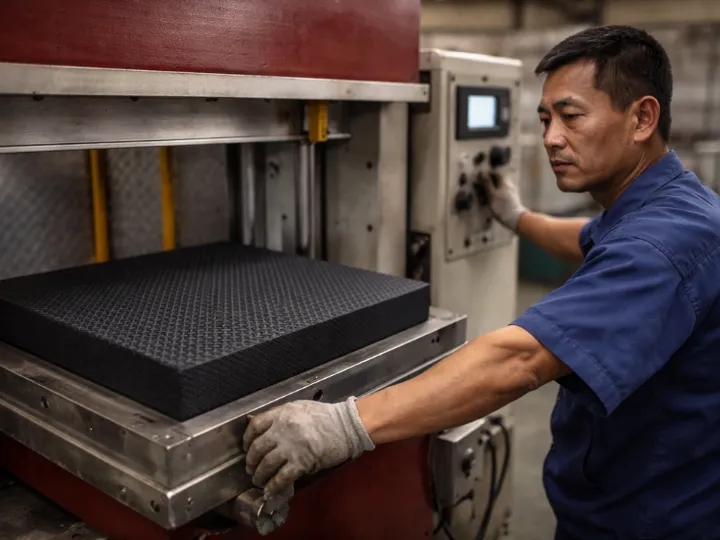
We manage density variation, rebound performance, and compression resistance through:Batch-level material lot tracking,Master sample comparison before production release,and Structured hardness verification.This ensures performance consistency across reorder cycles.
Closed-Cell Structure Control
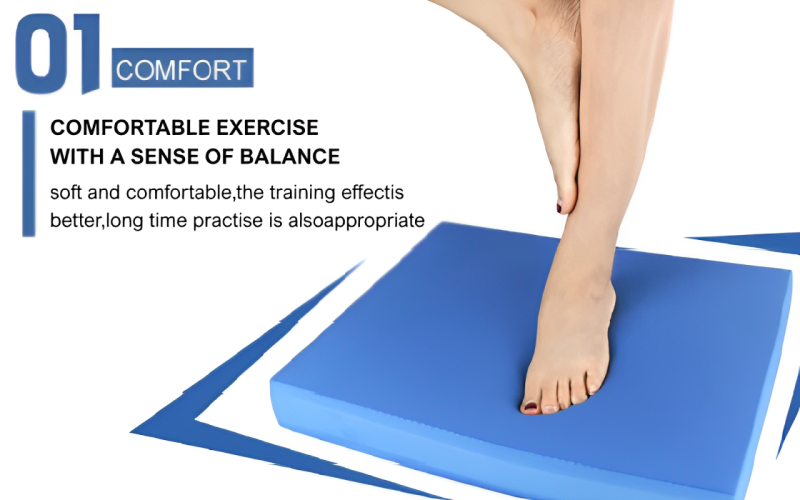
WellfitSource balance pads use a closed-cell TPE foam structure that prevents moisture ingress into the material core. This design inhibits microbial growth and maintains structural integrity over the product’s service life. Cell structure uniformity is a controlled production variable validated at molding stage.
1.Controlled variable: cell closure ratio — open-cell presence beyond threshold triggers batch hold.
2.Validation method: cross-section microscopy at IPQC stage; visual comparison against master reference sample.
3.Release rule: batch proceeds only after cell structure passes microscopy check; failures require process parameter adjustment and re-molding.
High Resilience Under Load

Balance pads undergo cyclic compression testing to validate recovery performance under simulated use conditions. The test subjects the material to repeated deformation cycles and measures the recovery rate against a documented baseline. Abnormal decay in recovery triggers a batch hold before any units are released.
1.Controlled variable: compression recovery rate — measured after cyclic loading against baseline threshold.
2.Validation method: standardized compression test at OQC stage; instrument-measured recovery compared to pass/fail criteria.
3.Release rule: batches meeting recovery threshold are released; abnormal decay triggers hold, root cause analysis, and recheck.
Controlled Grip (Dry/Wet)
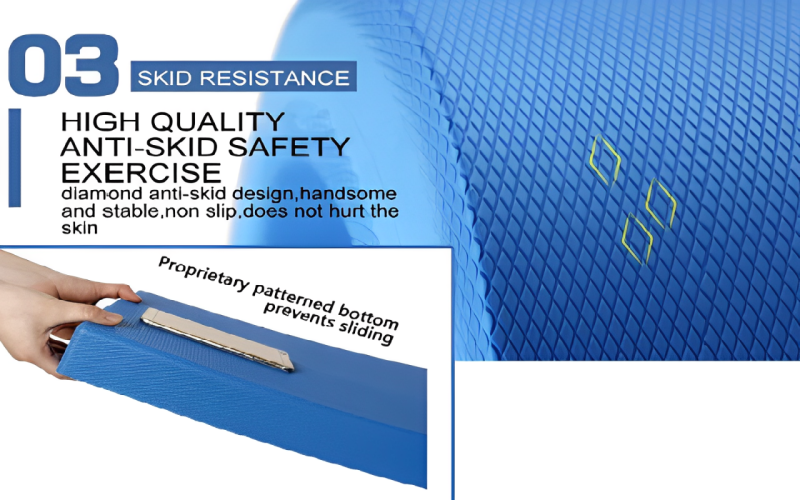
Surface texture directly affects user safety and product performance. WellfitSource treats texture as a controlled variable — not a cosmetic feature. Grip is validated under both dry and wet conditions using a standardized friction measurement method. Texture options are catalogued in the Texture Library with friction profiles for buyer reference.
1.Controlled variable: coefficient of friction in dry and wet conditions — below threshold triggers texture adjustment.
2.Validation method: sled-based friction test at OQC stage; results logged per surface pattern and batch.
3.Release rule: grip performance must pass both dry and wet thresholds; failure triggers texture review and re-testing.
Why Global Brands Choose WellfitSource as Their Balance Pad Manufacturer
Reduce Audit Risk, Stabilize Supply, and Protect Your Brand Reputation.
Batch Consistency (Touch, Color, Performance)
- Pantone color alignment against master reference — deviation beyond tolerance triggers batch hold.
- Texture feel locked by master sample comparison at each production run start.
- Retention sample traceability links every shipped batch to its approval record.
Market Access Documentation (Compliance-Ready)
- Indexed documents organized by target market, material lot, and SKU for rapid retrieval.
- Fast audit response — compliance packs structured for buyer and regulatory review cycles.
- Report scope clarity — each certificate references the specific test method and material covered.
Delivery Stability for Foam Goods (Packing + Load Planning)
- Packing standard for foam goods specifies stack height limits and orientation per SKU.
- Anti-compression insert option engineered to distribute load across stack layers.
- Container loading proposal delivered per order with reinforcement and humidity control recommendations.
For Brands That:
Sell on Amazon and cannot afford bad review
Supply clinics that require compliance documentation
Distribute to gyms with strict packaging standards
We build balance pad programs designed to protect margin, compliance, and reputation.

Manufacturing Capacity & Process Control
Monthly Output
Monthly capacity of 15,000–20,000 pieces, supported by structured production scheduling and controlled batch release.
Designed to maintain stable lead times for both launch and repeat orders.
Tooling Development
New custom molds completed within 10 working days, subject to complexity and approval.
Structured validation ensures dimensional accuracy before production release.
Sample Lead Time
5–7 working days with structured approval control.
Aligned to confirmed specifications for reduced revisions.
QC Protocol: 4-Step Inspection
Four-stage inspection before shipment release.
Batch samples retained for traceability and audit support.
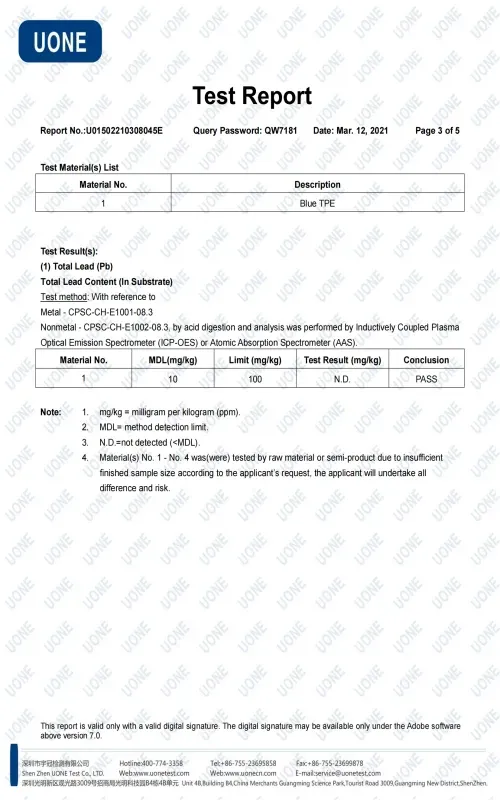
Global Certifications for Maket Compliance
Whether you’re targeting the EU,UK,or North America,our certified yoga mats meet the highest industry standards for safety,sustainability,and performance.Trust Wellfitsource for globally recognized quality assurance.
CE
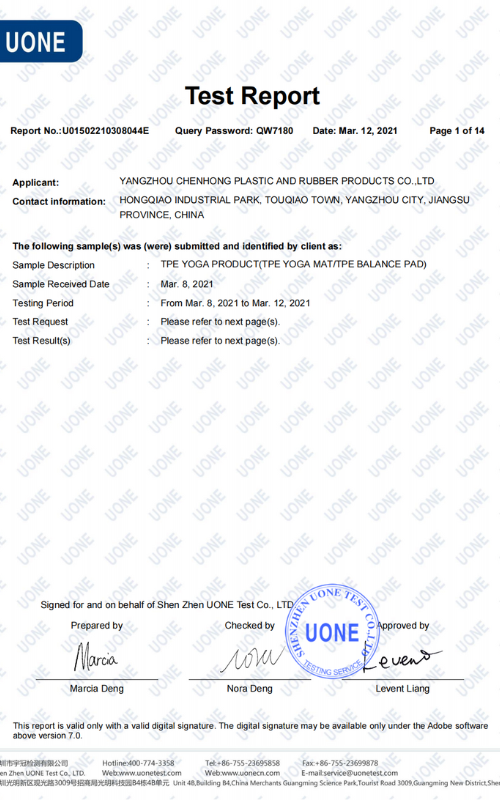
REACH
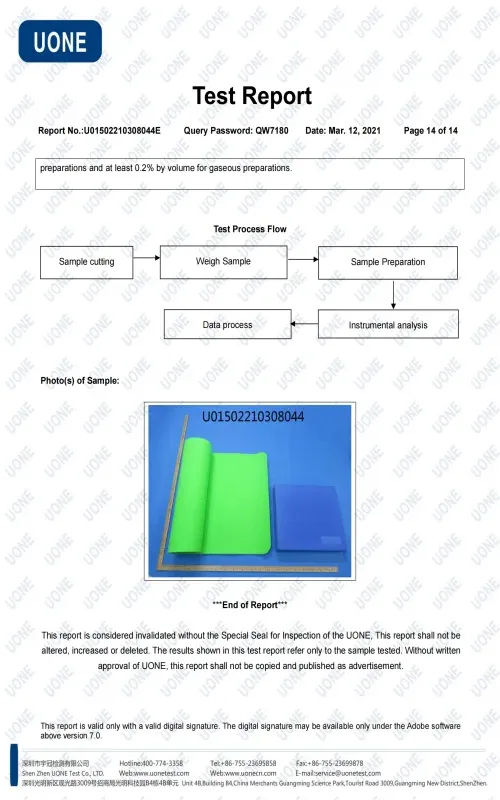
SGS

CA65
Served Markets & Distribution Structure
Global shipment allocation across key OEM markets
Europe
Amazon & sporting goods distribution channels
42%
North America
Sporting goods distribution channels & private label programs
28%
Australia&Asia-Pacific
Commercial gym and distributor supply
18%
Other Markets
Regional specialty programs
12%
Custom Options for Your Balance Pad
Choose from a variety of customization options,including shape,size,color and more, to create balance pads that meet your exact specifications and brand needs.
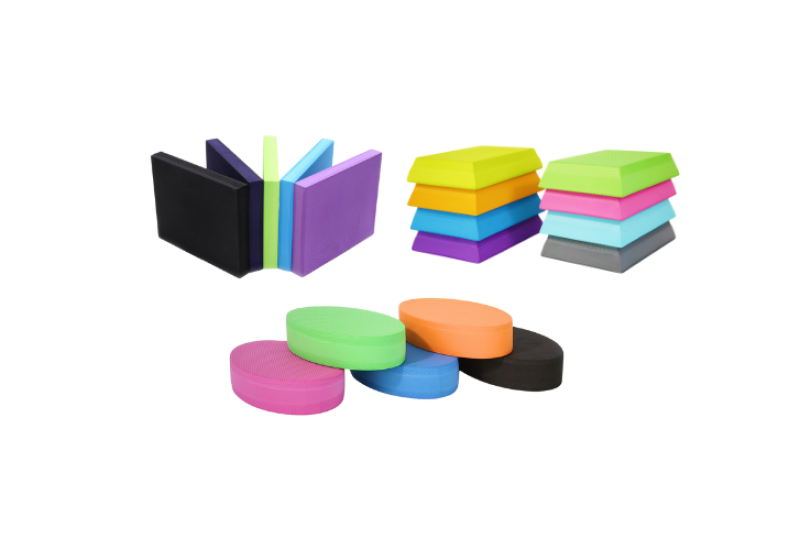
Custom Shape
Risk point:Complex geometries introduce molding inconsistencies or edge defects not caught until packing.
Validation path:Custom shape feasibility confirmed at tooling stage; dimensional accuracy verified at OQC. Edge quality and form checked against master sample.
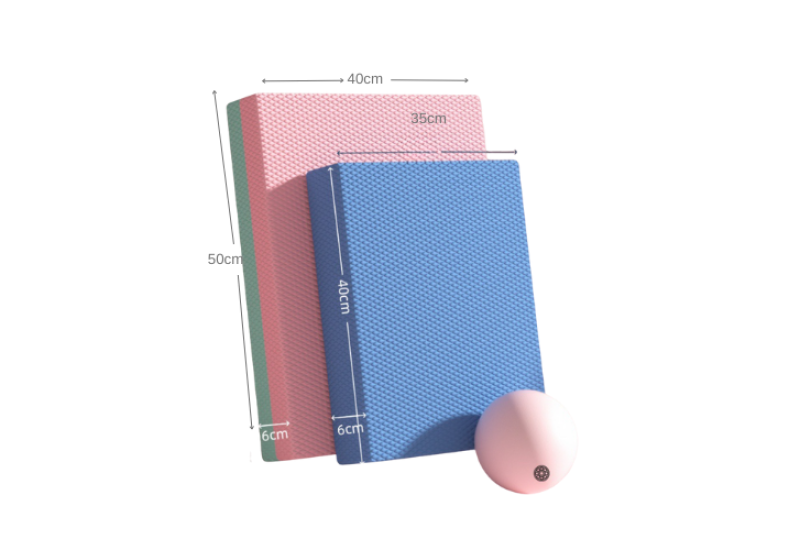
Custom Size&Thickness
Risk point:Dimensional drift between approved sample and bulk run — units arrive outside buyer tolerance.
Validation path:Dimensional tolerance locked at sample approval; bulk production verified at OQC against approved sample dimensions. Deviation triggers batch hold.
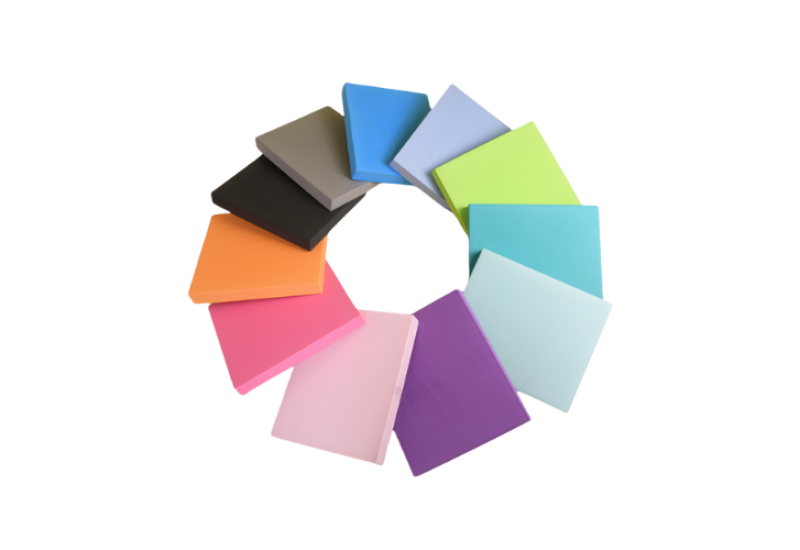
Custom Color
Risk point:Color shift across production runs or between product categories — visible mismatch at retail.
Validation path:Pantone color matching with delta-E tolerance documented at sample stage. Each bulk run verified against master color chip before release.
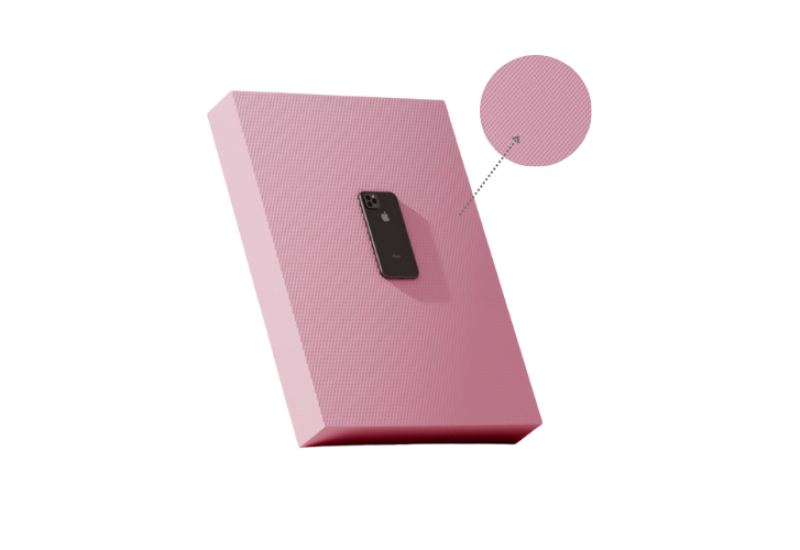
Custom Texture
Risk point:Grip feel inconsistency between sample and mass production — end-user safety and satisfaction impact.
Validation path:Texture selected from documented library with friction profile. Grip validated at OQC via sled-based friction test; pass/fail against approved reference.
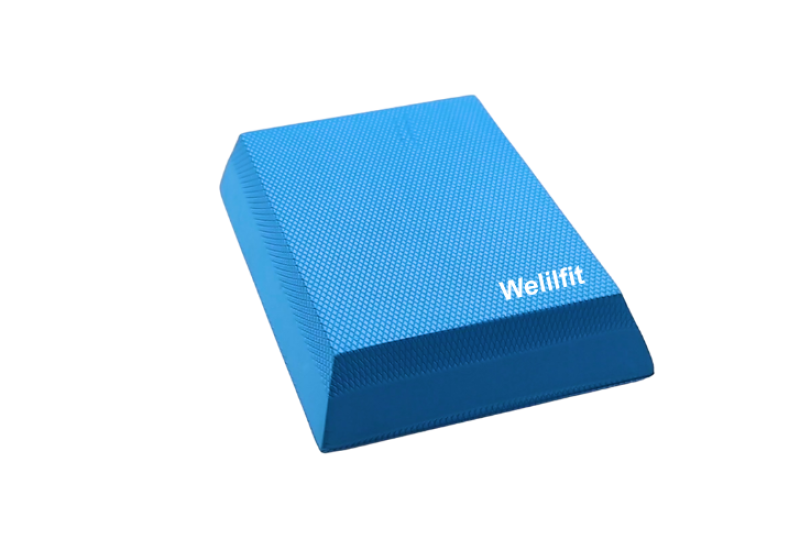
Custom Logo
Risk point:Logo degradation after use (fading, peeling, deformation) — brand quality perception at risk
Validation path:Logo method (emboss, deboss, print, laser) tested for durability under simulated use cycles. Approval sample signed off before bulk run.
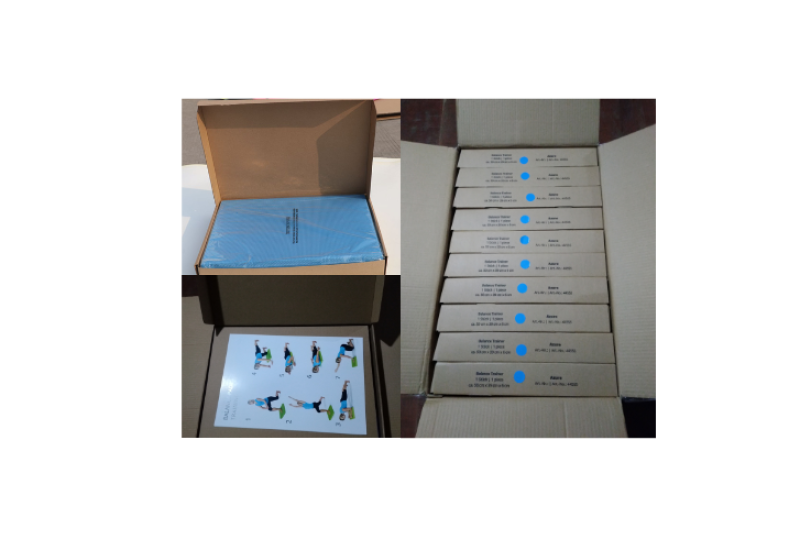
Custom Package
Risk point:Packaging fails to protect foam product during transit — deformation, scuffing, or humidity damage on arrival.
Validation path:Packaging spec reviewed against Container Loading Proposal. Packing audit at shipment stage confirms insert placement, stack rules, and seal integrity.
WellfitSource Acceptance Standard
Auditable Quality Control Loop — every checkpoint documented, every release rule enforced.
Material Admission (IQC)
● Controlled: raw material density, hardness, color, and melt flow characteristics against supplier COA.
● Method: incoming lot sampling per AQL-based plan; visual, tactile, and instrument checks against master reference.
● Release rule: lots meeting all baseline criteria are admitted; any deviation triggers isolation and supplier recheck before use.
Evidence available in: Sampling Plan / Acceptance Standard
Process Control (IPQC)
● Controlled: molding temperature, curing time, dimensional output, and surface texture at each production stage.
● Method: in-line checkpoints at molding, curing, and cutting; operator records verified against process control sheet.
● Release rule: units passing all stage gates proceed; failed checkpoints trigger batch hold and parameters before rerun.
Evidence available in: Sampling Plan / Acceptance Standard
Final Release (OQC)
● Controlled: dimensional accuracy, surface quality, compression recovery, grip feel, and packaging integrity.
● Method: AQL sampling on finished goods; instrument measurement and visual grading against the Acceptance Standard.
● Release rule: ship only when all criteria pass; any failure triggers full recheck, rework, or downgrade.
Evidence available in: Sampling Plan / Acceptance Standard
Pack & Transit Control
● Controlled: stack height, insert placement, orientation, and humidity exposure during packing and loading.
● Method: packing verified against the Container Loading Proposal; spot checks on palletized goods before container seal.
● Release rule: seal only after packing audit sign-off; deviations require repacking before shipment.
Evidence available in: Packing Standard / Loading Proposal
Traceability & Retention
● Controlled: physical retention samples and digital batch records linked to raw material lot, production date, and QC results.
● Method: retention samples stored under controlled conditions; batch records archived digitally for retrieval.
● Release rule: no batch ships without a linked retention sample and completed traceability record on file.
Evidence available in: Traceability SOP / Acceptance Standard
Frequently Asked Questions
Got questions about our products or services? Our FAQ section provides quick and clear answers to common queries. Dive in to learn more about Wellfitsrouce and how we can serve your needs.
MOQ for custom logo is 500 pcs. If you want to custom color or size, it needs to be negotiated.
Yes. Higher-density configurations are commonly selected for clinic-grade rehabilitation environments and equine therapy programs requiring controlled firmness and surface durability.
Standard samples are prepared within 5–7 working days following confirmed specifications. For new custom molds, tooling typically requires around 10 -13working days depending on complexity.
Mass production scheduling is structured based on order volume and capacity allocation, with lead times confirmed before order deposit.
In the unlikely event of a verified quality issue, we review production records and retained samples to identify root cause. Depending on assessment, solutions may include replacement shipment, credit adjustment, or structured corrective action for future orders.
Our goal is to resolve issues transparently rather than delay responsibility.
Yes. We provide market-indexed documentation including material reports and relevant compliance certificates. Third-party testing support is available upon request.
Documentation is structured to support retailer review, Amazon compliance checks, and audit preparation.
Get a Customized Quote Today!
Start optimizing your operations with customized solutions today! Share your specific requirements with us, and we’ll offer a competitive, quick, and precise quote for the products you need. Whether you’re sourcing balance pads or other specialized products, our adaptable services and dependable supply chain will support your business growth.

Contact Us Now !
To better assist you, please fill out the form below with your custom requirements for the balance pad. This will help us understand your needs and provide you with the best possible support.

 English
  German
  Spanish