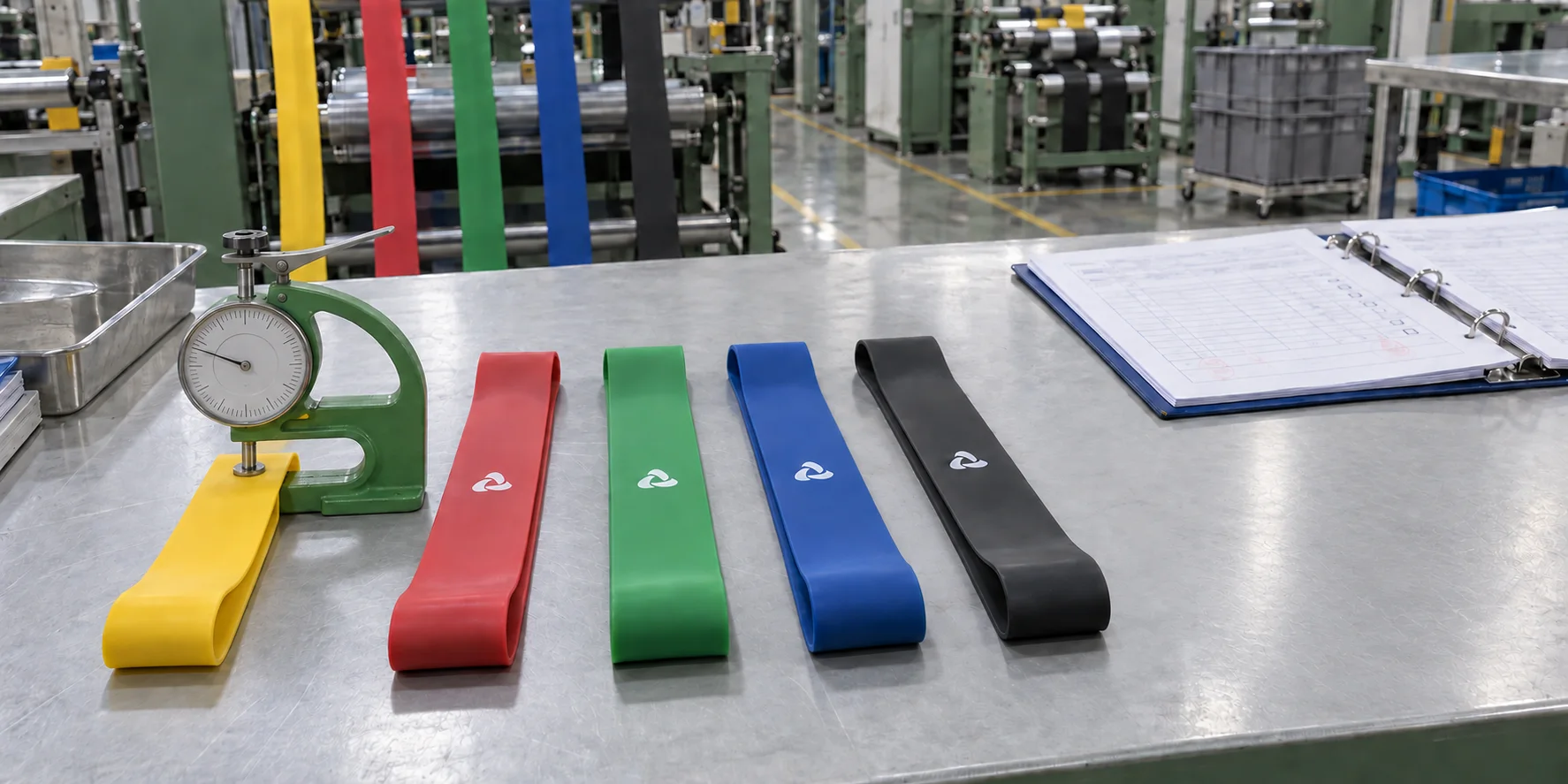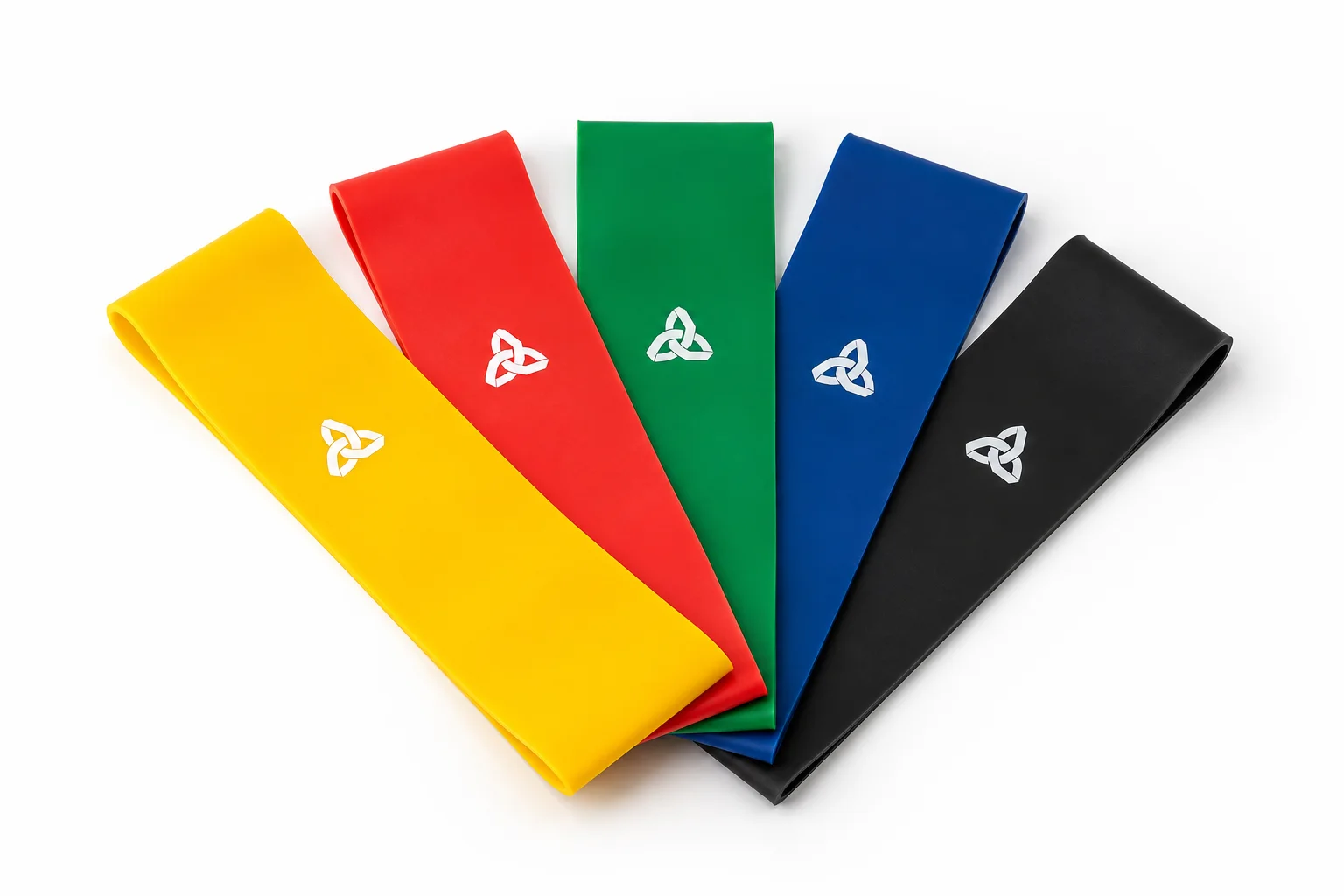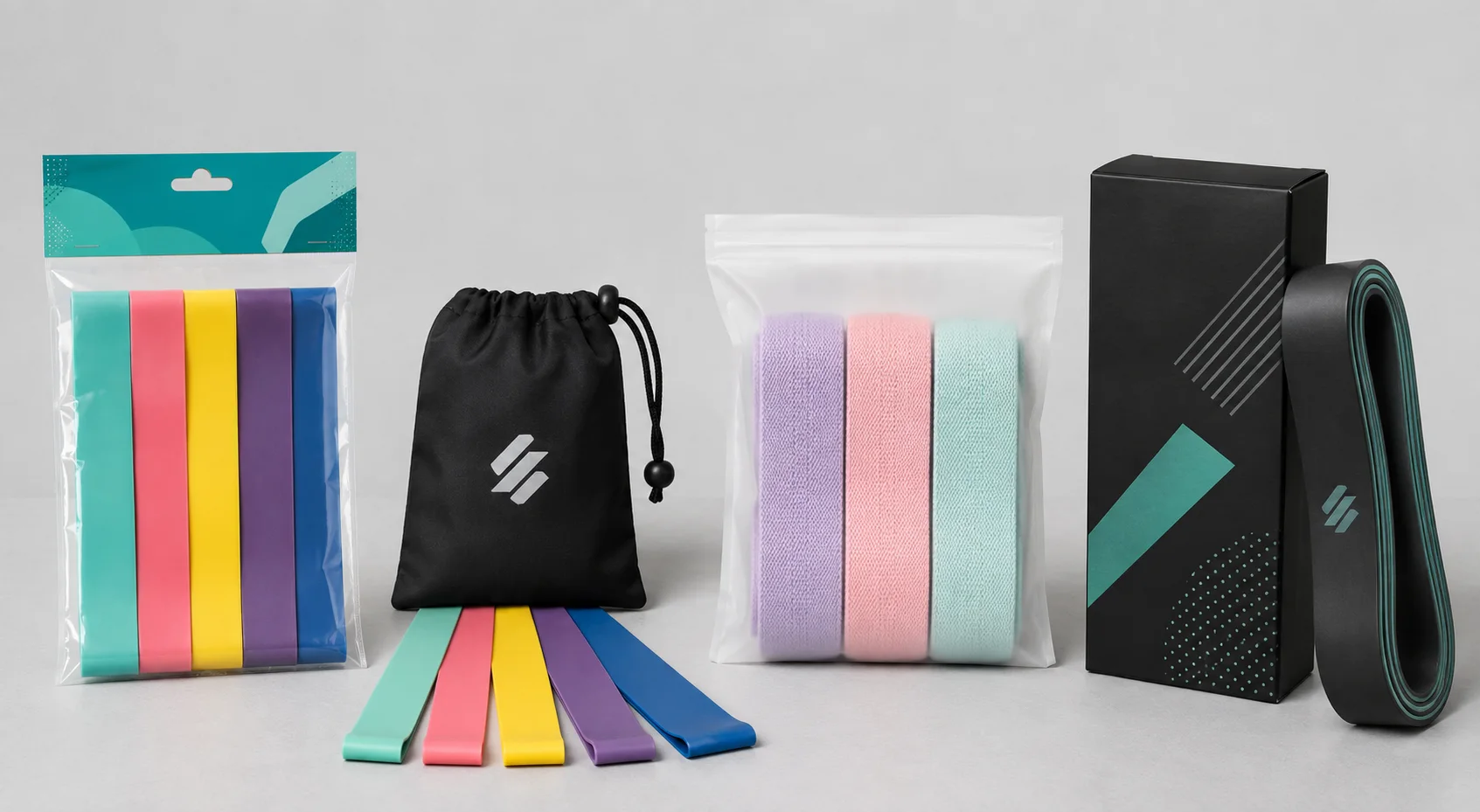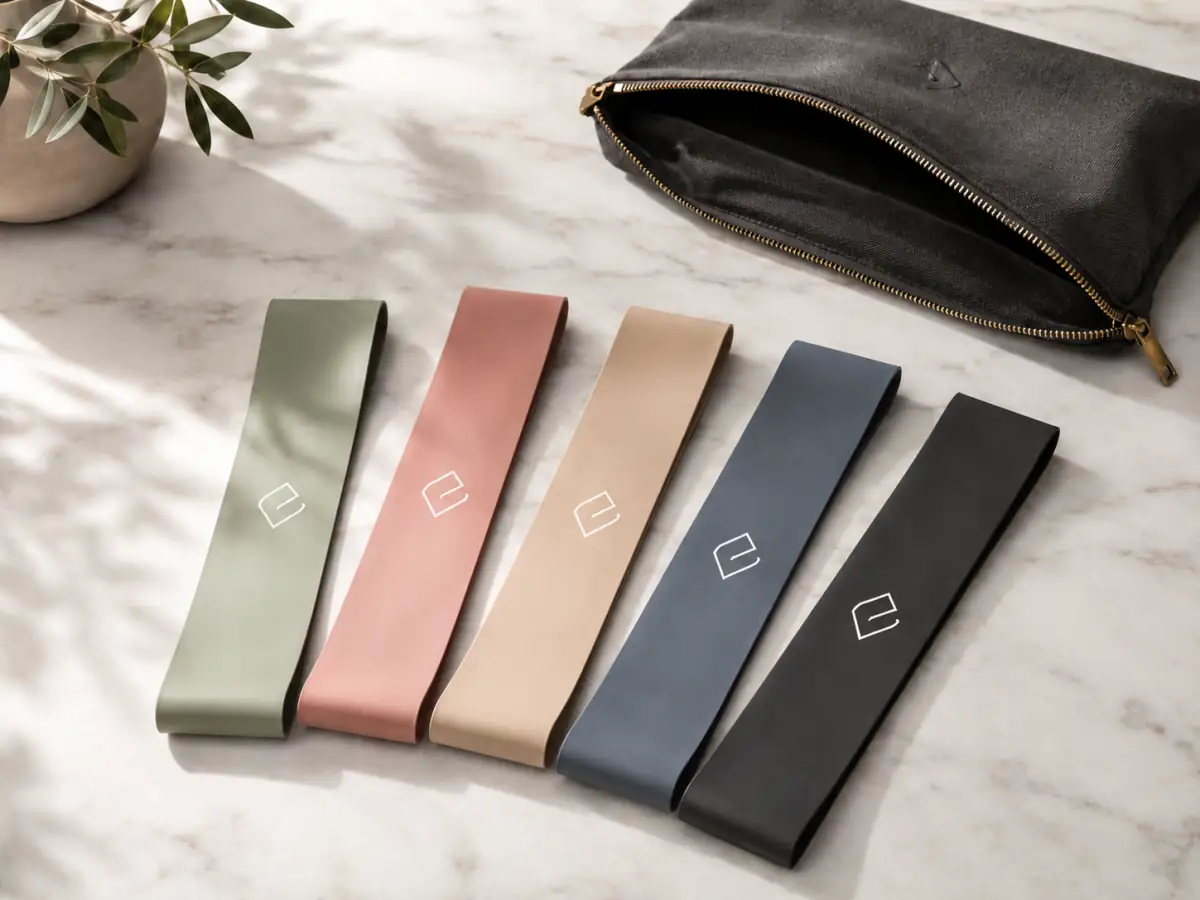
A product bundle can lift AOV.
Or it can quietly create inventory drag, packaging headaches, and confused buyers.
Most bundle programs go sideways for one reason: they’re built around catalog adjacency, not customer behavior.
If you’re doing fitness retail bundling for Amazon, Shopify, wholesale, or chain retail, the goal isn’t “more SKUs per order.” The goal is a basket that feels obvious to the buyer and stays operationally clean when you reorder, kit, ship, and deal with returns.
This is the practical core of product bundling in fitness retail. Call it a fitness product bundling strategy if you want, but the test is the same: build for the buyer’s moment first, then make sure the operation can repeat it without breaking.
Quick answer
Most profitable fitness bundles start with 2–3 tightly related products built around one user moment (prep → practice → recovery) — not random category adjacency.
Good bundles raise basket size and cross-sell clarity while staying operationally manageable.
Bad bundles create SKU sprawl, packaging costs, inventory drag, and buyer fatigue.
Buyer snapshot (who this is for)
This article is written for:
- Private label fitness brand owners (Amazon sellers, Shopify brands, wellness startups)
- Retail / merchandising buyers (sporting goods, chain retail, wellness merchandisers)
- Importers / distributors building bundled programs across multiple SKUs
It’s not for consumer workout advice.
If you only remember one thing: a good bundle is not a bigger box. It is a cleaner buying decision.
Why most fitness product bundles fail
Catalog logic isn’t customer logic
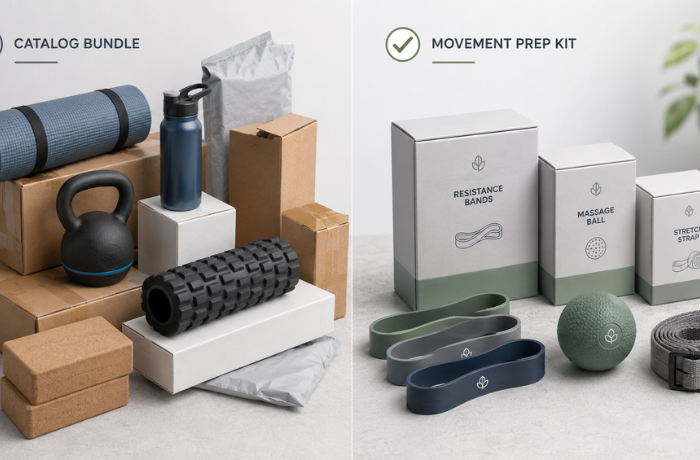
“Looks related” is not the same as “buys together.”
A yoga mat next to resistance bands on a supplier page doesn’t mean your customer wants both in the same box. It might mean they want to choose one.
When bundles are built from what’s adjacent in a catalog, they usually have one of these problems:
- The buyer doesn’t understand the bundle story in three seconds
- One item is clearly doing the heavy lifting, and the others feel like filler
- The bundle doesn’t match how people actually start, continue, and finish a routine
That’s when bundling starts to feel physically messy: more pick/pack steps, more cartons, more coordination, more “why is this in here?” questions.
Bigger bundles don’t automatically mean bigger profit
The fastest way to kill a promising bundle is to keep adding items until it “feels like value.”
Every extra component can dilute margin and inflate shipping.
You can also create a new failure mode: your bundle sells, but one component becomes the bottleneck. Now the entire bundle is out of stock, even though you have plenty of the hero SKU sitting in the warehouse.
That’s inventory drag. Heavy. Slow. Expensive.
The first rule in retail merchandising strategy: bundle around the same user moment
If you want bundle combinations that actually sell (and don’t turn into a sourcing nightmare), start with one question:
What is the user doing in their body when they reach for this bundle?
Tight hips before movement. Grip and stability during practice. Soreness after training. A quick cooldown in a small apartment. A travel kit for a gym bag.
Now you can bundle around that single moment.
Here are a few fitness product bundle ideas for retailers that stay clear at shelf and scale clean in fulfillment:
Use this table to match each bundle idea with the buyer type, reorder logic, and packaging risk before you create a new SKU.
| Bundle idea | Lo mejor para | Keep it reorderable by | Packaging note |
|---|---|---|---|
| Private label workout set (hero SKU + 1–2 add-ons) | New-to-brand starter offers on Amazon/Shopify | Keeping to 2–3 SKUs and one replenishment rhythm | One consistent carton size; avoid mixed bulky shapes |
| Yoga and recovery product bundles (mat + roller/ball) | Studios, wellness brands, recovery-focused merchandising | Building around one routine flow (practice → recovery) | Separate inner polybags reduce return “mix-ups” |
| Balance / Rehab Starter Bundle (foam balance pad + resistance band + massage ball or stretch strap) | Physiotherapy retailers, senior wellness brands, rehab distributors, balance training programs | Standardizing one pad size and 1–2 compact add-ons across reorder cycles | Keep it flat + flexible; avoids heavy/bulky shipping like kettlebells |
| Wholesale fitness bundles for onboarding | Retail buyers needing a simple end-cap or promo set | Using a single hero SKU across multiple bundles | Label components clearly for kitting/receiving |
| Fitness accessories bundle add-on kit (strap + block + towel) | Cross-selling fitness products to mat buyers | Using small, consistent accessories that don’t change DIM weight | Keep inserts minimal; protect corners/edges |
Pre-workout / movement prep bundle
This is about warming up, opening range of motion, and reducing that stiff, tight feeling before training.
Typical bundle logic:
- Resistance bands (warm-up + activation)
- A simple mobility tool (massage ball, stretch strap)
Why it sells: it’s not a “gear bundle.” It’s a prep routine in a box.
How it stays manageable: keep the bundle tight (2–3 items), avoid mixing bulky products that change carton size.
Yoga practice bundle
This is about a stable practice setup. Not “everything yoga.” Just what makes practice frictionless.
A clean starting point:
- Yoga mat (hero)
- One or two compact add-ons (strap, block, towel)
If you need a broader accessory menu without bundle sprawl, build the assortment from a coherent accessory family like Yoga accessories and limit bundle variants.
Recovery bundle
This is about soreness, pressure, and relief after training. It’s the easiest bundle story to explain, and it’s also easy to overbuild.
A recovery bundle that usually holds up operationally:
- Foam roller
- Pelota de masaje
- Stretch strap (optional)
If your strategy is to expand beyond one hero SKU, treat recovery as a connected category move, not a random add-on. This is exactly the kind of logic covered in From Yoga to Recovery: how fitness categories connect.
If you’re building a modular recovery collection rather than one fixed kit, start from a focused set like Recovery accessories and use the bundle as the “default recommendation,” not the only way to buy.
Balance / Rehab Starter Bundle
This is for balance training, mobility work, and low-impact rehab — the kind of routine a buyer can explain quickly in a clinic, a senior wellness program, or a physiotherapy-led retail environment.
Good fit customers:
- Physiotherapy retailers
- Senior wellness brands
- Rehabilitation distributors
- Balance training programs
A clean bundle that stays operationally simple:
- Foam balance pad (hero)
- Resistance band (progressions + activation)
- Pelota de masaje o stretch strap (soft tissue + mobility)
Why it works:
- Matches recovery + balance + mobility moments (one clear use story)
- Volumes are controllable, and it’s typically more cross-border friendly than heavy items like kettlebells
- It pulls almohadillas de espuma into your core assortment story instead of treating them as an “extra” SKU
Hydration / wellness add-on (use carefully)
This is where a lot of bundles quietly die.
Hydration and “wellness add-ons” can work when they’re tightly matched to the routine moment and the packaging stays simple.
They usually fail when:
- The add-on is generic (a bottle that isn’t meaningfully better)
- It changes the carton size or creates leakage/return risk
- It’s there to hit a price point, not to complete a routine
Bundles That Look Smart but Rarely Reorder
The random mega bundle
Ejemplo:
- Mat + kettlebell + roller + bottle + blocks
On paper, it feels like value.
In reality, it’s “gift-basket syndrome.” It doesn’t map to one moment. It maps to a catalog.
Why it fails:
- No coherent use moment, so conversion relies on discounting
- Packaging becomes awkward (heavy + bulky + multiple shapes)
- Returns get messy because one disliked item poisons the whole bundle
- Reordering becomes a fatigue loop: one item delays the whole kit
The “inventory dumping” bundle
Bundling a weak mover to force it out the door is a short-term move with long-term cost.
Buyers feel it. Retailers feel it. Reviews feel it.
If the bundle story is “we made this because we had too much stock,” you’re building distrust.
The operational side buyers ignore
A bundle is not one product.
It’s a supply chain system.
For most brands, that means bundling quickly turns into multi-SKU fitness sourcing: aligning lead times, carton specs, and QC standards across several factories or lines.
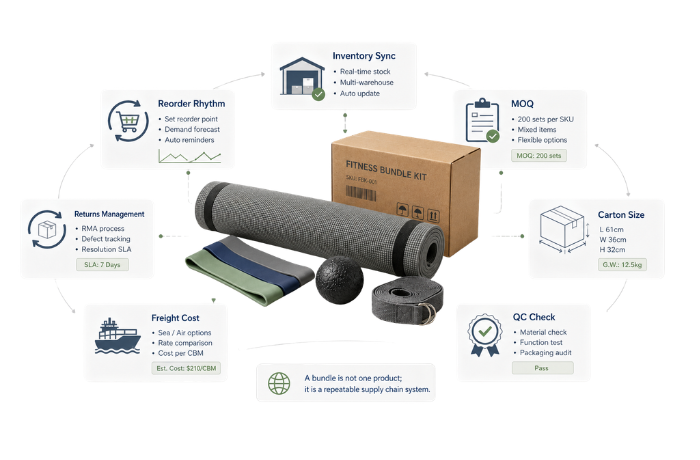
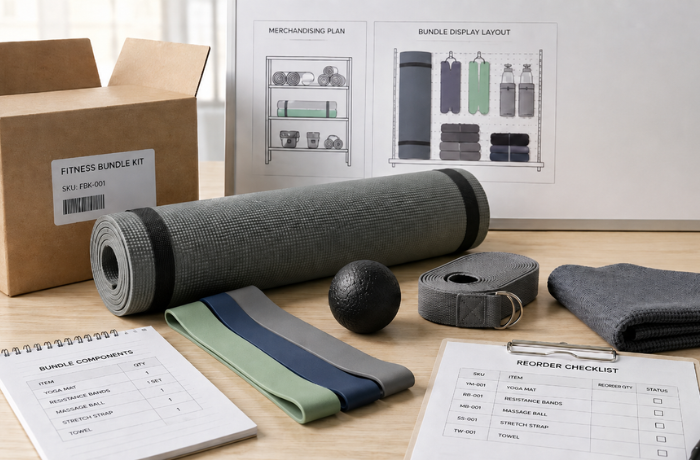
Operationally, the winners build simple rules for bundle inventory management (min/max levels per component, substitution policy, and a clear “break the kit or hold the kit” decision when one SKU is late).
You can have a bundle that makes commercial sense and still fails because ops weren’t designed for it.
MOQ stacking (the silent killer)
If one component has a high MOQ and another doesn’t, your “simple bundle” can force you into inventory you didn’t want.
That’s where bundle strategy becomes procurement strategy.
If you’re evaluating whether a bundle should exist at all, pressure-test it like a category expansion decision. A practical framework is in How fitness brands evaluate new product categories before expansion.
Packaging redesign (carton math beats bundle math)
Bundles change:
- carton size
- protective inserts
- labeling
- pick/pack steps
If your bundle requires custom packaging too early, you’ve created fixed cost before you’ve proven demand.
Start with packaging that’s stable and repeatable. Then upgrade once attach rate and reorder cadence are real.
Freight inefficiency (dimensional weight doesn’t care about your AOV)
A bundle can look profitable until dimensional weight flips the economics.
This is where buyers feel the drag: your AOV goes up, but your landed cost and damage rate go up too.
QC complexity (more components, more failure points)
Each component adds:
- another QC checklist
- another cosmetic tolerance issue
- another “sample vs bulk” risk
If your team is already stretched, this is where bundling creates fatigue.
Fitness Bundle Strategy by Sales Channel
You can’t run the same bundle playbook everywhere. The “right” kit on Amazon can be the wrong kit for chain retail, even if the products are identical.
| Channel | Bundle logic that sells | What to avoid |
|---|---|---|
| Amazon | Clear 2–3 item kit with a hero SKU that’s easy to explain in the first image | Oversized cartons, unclear hero SKU, bundle titles stuffed with unrelated keywords |
| Shopify / DTC | Story-driven routine bundles (prep → practice → recovery) that improve attach rate without heavy discounting | Too many variants, complicated chooser flows, bundles that require custom packaging before demand is proven |
| Wholesale | Easy-to-reorder programs with stable carton formats and consistent component specs | Custom packaging too early, frequent component swaps that create receiving errors |
| Chain retail | Shelf-ready bundles with simple value framing and predictable replenishment | Mixed heavy + light items, awkward shapes that break planograms and damage out of shelf packs |
How buyers should pressure-test a bundle before launch
Use this checklist before you build new SKUs, new packaging, and new operational problems.
Bundle pressure-test checklist
- Same user moment? If you can’t describe the moment in one sentence, the bundle is probably random.
- Clear value perception in 3 seconds? A buyer should “get it” without reading a paragraph.
- Does the hero SKU still feel like the hero? If not, you’re building a confused offer.
- Operationally manageable? Can your team kit it without new stations, new packaging, and new training?
- Freight viable? Will carton size/weight change enough to erase the benefit?
- Repeatable supply? Can you reorder all components on a stable cadence without constant stock breaks?
- Returns survivable? If one component disappoints, does it poison the whole bundle?
⚠️ Warning: If the bundle only “works” when discounted hard, you don’t have a bundle. You have a clearance mechanic.
Bundle strategy for private label fitness bundles (how to avoid bundle sprawl)
Start narrow, then earn complexity
Pick one of these starting points:
- One hero SKU + one attach item (2-item bundle)
- One hero SKU + two compact attach items (3-item bundle)
Then earn the right to expand.
Use attach rate to decide what belongs together
Attach rate is the percentage of secondary products sold from customers who also bought your primary product.
That definition from Extend’s explainer on attach rate in e-commerce matters because it stops bundling from becoming vibes.
If attach rate is low, bundling can be a controlled way to introduce the pairing.
If attach rate is already high, bundling can cannibalize full-price add-ons unless you’re careful.
For a practical decision gut-check, Andreessen Horowitz outlines “when to bundle” and how to think about attach rates in When and how should you bundle your products?.
Limit variants before retail forces you to
Variant creep is how bundling turns into random SKU expansion.
A simple rule:
- One bundle per user moment
- One price tier per bundle at launch
- One packaging format per bundle at launch
If you need adjacent add-ons, keep them in a coherent collection (and recommend them) instead of hard-bundling everything. For strength or conditioning programs, a curated accessory family like Training accessories gives you room to expand without exploding bundle SKUs.
Where WellfitSource fits
At WellfitSource, we see bundles succeed when buyers simplify the user story before expanding the SKU story.
If you’re planning a private label bundle program, we can help you pressure-test:
- bundle logic (same user moment)
- MOQ stacking risk
- packaging and carton efficiency
- QC checkpoints across components
The goal is a bundle that sells without turning your operation into a slow, messy drag.
If you already have a target retail channel, send us your hero SKU and 2–3 add-on ideas. We can help you check whether the bundle is commercially clear and operationally repeatable.
PREGUNTAS FRECUENTES
What makes a fitness product bundle successful?
A successful fitness product bundle is built around one user moment (prep, practice, or recovery), has a clear value story in seconds, and can be reordered and fulfilled without constant stock breaks or packaging changes.
How many products should be in a fitness bundle?
Most profitable bundles stay at 2–3 items at launch. Bigger bundles can work, but they increase shipping complexity, QC failure points, and the chance one weak component drags down the entire kit.
Do product bundles increase AOV in fitness retail?
They can, but only when the bundle improves attach rate without erasing margin through discounting, freight, and returns. AOV is the surface metric; operational cost is where bundles usually get decided.
What is the biggest operational risk in bundled fitness products?
Stock synchronization. If one component becomes the bottleneck, you can end up with a bundle that’s “out of stock” even while you’re sitting on inventory of the hero product.
How do wholesale fitness bundles differ from DTC bundles?
Wholesale fitness bundles need simpler choices: fewer variants, clearer labeling for receiving, and packaging that holds up through store handling. DTC bundles can test faster, but wholesale programs usually win when the bundle can be reordered as a repeatable kit with stable components.
What should I plan for in fitness kit packaging?
Fitness kit packaging should protect each component, keep carton size consistent, and make returns manageable. If kitting adds too many steps or changes DIM weight materially, the bundle may look good on AOV but lose money after freight and handling.
Should private label brands launch bundles or single products first?
Start with a hero SKU, then add a tight 2–3 item bundle once you understand who buys what together. Bundles are easiest to scale when they’re built from real buying behavior, not guesses.